ECOWAS SHOWS POWER: NIGERIA MILITARY INTERVENES TO FOIL COUP IN BENIN REPUBLIC
The days of West African strongmen taking power by force may finally be coming to an end. Nigeria, acting as the big brother of the subregion, has confirmed that its armed forces swiftly intervened in the neighbouring Republic of Benin on Sunday to quash an attempted coup against President Patrice Talon.
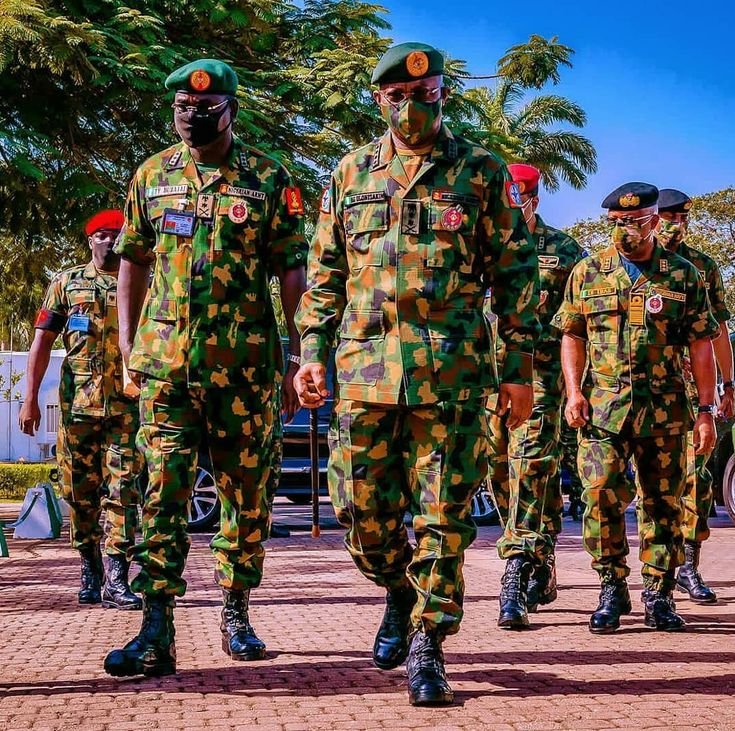
This is a classic demonstration of regional solidarity and a fierce defense of democracy. President Bola Tinubu, acting on an urgent appeal from the Beninese government, ordered Nigerian troops into action, showing that military gbas gbos against constitutional order will no longer be tolerated in the ECOWAS space. The intervention, coordinated with the deployment of the regional standby force, ensured that the attempt by soldiers led by Colonel Pascal Tigri to seize power was neutralized within hours.
How Nigeria’s Air and Ground Forces Finished the Work
The confirmation, issued by the President’s Special Adviser on Information and Strategy, Bayo Onanuga, reveals that Nigeria’s rapid response was based on two formal requests from the Beninese government. This legal backing is no be small thing and is crucial for validating the deployment under international law.
The first request, channeled through Benin’s Ministry of Foreign Affairs, was urgent. It sought emergency Nigerian Air Force (NAF) support to repel the rebellious soldiers who had seized the National Television station and regrouped at a military camp. President Tinubu wasted no time, ordering NAF fighter jets to enter the country and take control of the airspace to help dislodge the plotters. The Note Verbale from Benin explicitly cited the “urgency and seriousness of the situation,” requesting air support to protect national institutions and civilian safety.
The Beninese government then followed up with a second request, which further sought:
Deployment of NAF assets for surveillance and rapid intervention missions.
Deployment of Nigerian ground forces strictly for missions approved by the Beninese Command authority.
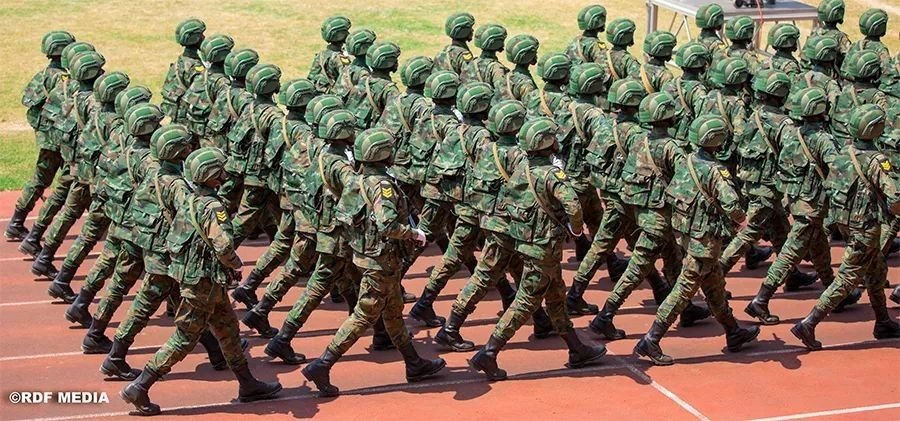
Nigeria’s Chief of Defence Staff, General Olufemi Oluyede, confirmed that all requests had been fully implemented, including the deployment of ground troops. “Ours is to comply with the order of the Commander-in-Chief of our armed forces, President Tinubu,” he stated, underscoring the professionalism and chain of command integrity of the Nigerian armed forces in executing the order. Within hours of the intervention, loyalist forces, heavily gingered by the Nigerian support, regained control of the national broadcaster and restored constitutional order.
ECOWAS Protocol and the Big Brother Mandate
President Tinubu was quick to praise the Nigerian armed forces for their commitment, stressing that their actions were fully within the ambit of the ECOWAS Protocol on Democracy and Good Governance. This protocol is the legal backbone that mandates member states to intervene to protect democracy from unconstitutional change.
Nigeria’s involvement is not just about neighborly duty; it is about upholding a regional mandate. As the dominant economic and military power in West Africa, Nigeria often carries the burden of the big brother, setting the tone for regional stability. President Tinubu reaffirmed Nigeria’s solidarity with the Beninese people and their democratic values.
This Nigerian intervention was immediately backed by the broader regional body. ECOWAS announced the immediate deployment of its standby force to Benin to prevent further instability. This regional force, drawing personnel from Nigeria, Sierra Leone, Côte d’Ivoire, and Ghana, acts as a deterrent, signaling to any remaining coup plotters that the region is united and ready to chop work to defend civilian rule. The quick, coordinated regional response is a significant contrast to the hesitant reactions seen in some previous coups across the subregion.
West Africa’s Coup Wahala: A Regional Contagion
The failed coup in Benin is a harsh reminder that West Africa is still struggling with a serious coup wahala contagion. Benin is the latest in a growing list of countries, from Mali and Burkina Faso to Guinea and Niger, that have recently faced successful or attempted military takeovers.
The attempt by soldiers led by Colonel Pascal Tigri to seize the National Television station and declare the suspension of democratic institutions shows a frightening trend of political instability bleeding across borders. These security issues are not contained; they threaten the peace, trade, and economic stability of the entire region, including Nigeria.
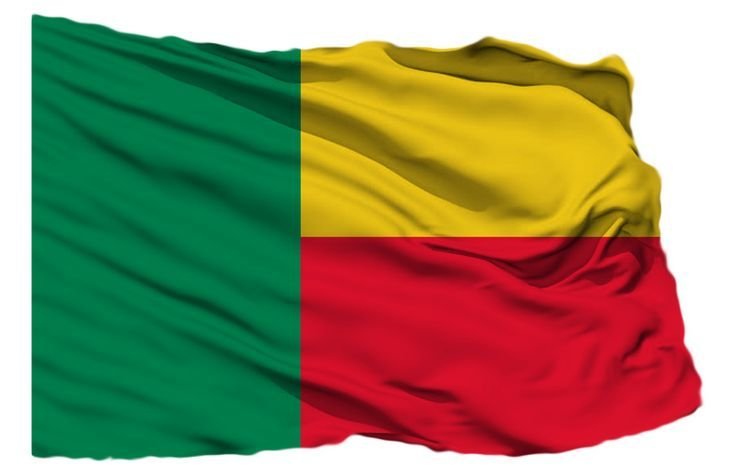
By intervening decisively, Nigeria and ECOWAS are trying to draw a line in the sand. They are trying to demonstrate that while military rule may have taken root elsewhere, the democratic core of the region is willing to fight back. The long term success of this operation will not just be measured by the quick restoration of President Talon, but by whether it finally sends a clear enough message to deter future military adventurers across the ECOWAS space.
Join our WhatsApp community
Join Our Social Media Channels:
WhatsApp: NaijaEyes
Facebook: NaijaEyes
Twitter: NaijaEyes
Instagram: NaijaEyes
TikTok: NaijaEyes