In a stirring message delivered in Abuja this week, one of Nigeria’s most influential public servants stressed that the nation’s survival and global competitiveness are deeply tied to the quality and direction of its education system. Femi Gbajabiamila, Chief of Staff to the President and former Speaker of the House of Representatives, laid out a compelling argument that education must be placed at the centre of national thinking, planning, and investment if Nigeria is to transform its potential into real progress and prosperity.
Gbajabiamila spoke on Monday at the International Day for Education Conference, an event convened under the theme “Re-imagining the Future of Education in Nigeria: Collaborative Solutions for a Brighter Tomorrow.” The gathering brought together lawmakers, educators, policymakers, civil society leaders, and development partners to chart a way forward for the country’s education sector.
For Gbajabiamila, the message was clear: education is not merely another line in the national budget, nor a box to tick on a political agenda. It is the bridge between Nigeria’s immense human potential and the productivity that a modern, knowledge-driven society demands. Without strong and sustained education reforms, he said, Nigerian youth will struggle to compete in a fast-changing global landscape.
Table of Contents
Renewed Focus on Funding, Access, and Merit
A central part of the conversation was the need for funding mechanisms that open doors for students from all backgrounds. Gbajabiamila reminded the audience of his time as Speaker of the House when he championed the Students’ Loans Bill. That legislation was designed to ensure that financial hardship would not bar capable young Nigerians from pursuing tertiary education.
Within the first three months of the current administration, President Bola Tinubu gave assent to the bill, paving the way for the establishment of the Nigerian Education Loan Fund. Speaking about the milestone, Gbajabiamila framed it as a demonstration of political will and a bold statement that education remains central to the administration’s Renewed Hope Agenda.
He also commended the 10th House of Representatives for its oversight role, noting that lawmakers have taken steps to improve funding efficiency, strengthen accountability in the education sector, and bolster support systems for students across the country. These moves, he said, signal that the legislature is more than a law-making body but a strategic partner in national development.
“The brightest tomorrow for Nigeria will be built in the classrooms we strengthen today,” he told the conference. His remarks struck a chord, given the current challenges facing the education system and the broader urgency expressed by educators and civil society advocates.

Confronting a National Education Crisis
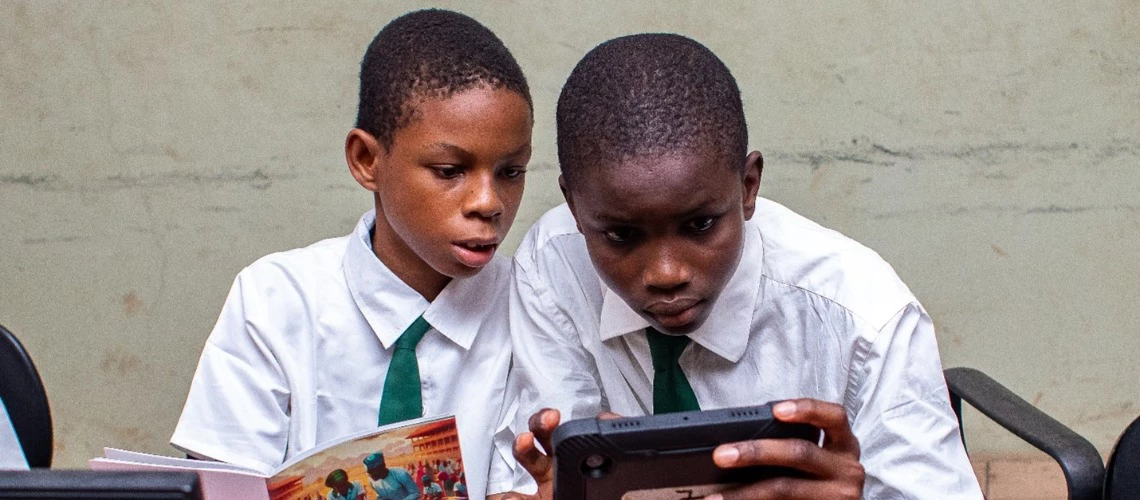
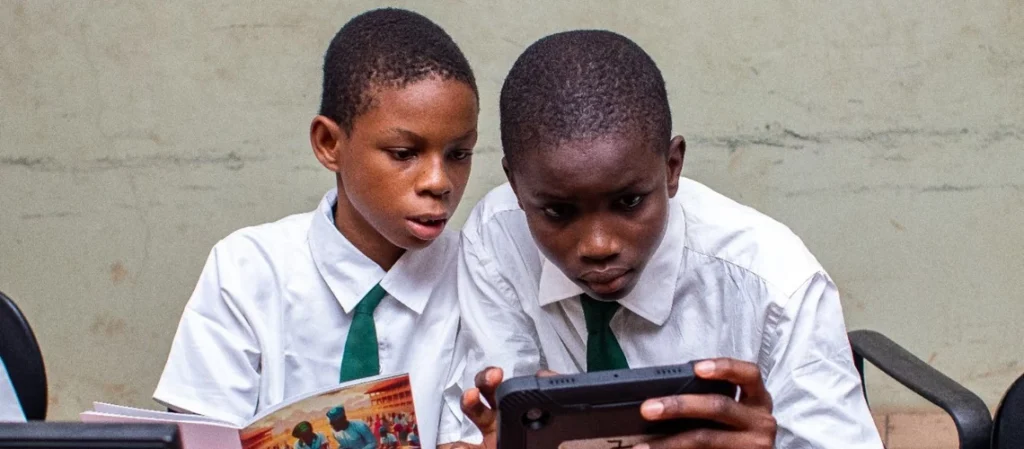
Beyond speeches and policy statements, hard data and lived realities underscore the depth of the challenge. Nigeria currently has an estimated 20 million out-of-school children, the highest number in the world. Challenges in infrastructure, weak teacher welfare systems, outdated curricula, and limited access to technology are daily realities for many students and educators.
These are not abstract numbers. They represent children without classrooms, teachers who are under-resourced, and communities where potential remains untapped. In her opening remarks at the conference, Abisoye Da Rocha-Afodu, Special Adviser on International Cooperation and Educational Development to the Speaker, highlighted these issues and called for inclusive strategies that bring together government institutions, the private sector, and local communities.
There was also recognition of the need to focus on vulnerable populations, including girls and children living with disabilities, who often face even greater barriers to quality education. The conference aimed to identify practical, sustainable solutions that respond not only to problems but to opportunities for innovation in learning and skill development.
Collaboration for an Education-Driven Economy
One of the most recurring themes of the day was that education must be more than academic theory. Speakers stressed that it must be tied directly to real-world outcomes, providing learners with skills that meet current economic realities and future workforce needs. This resonates with broader national debates around curriculum reform and alignment with market demands, including digital skills, problem-solving, and technical competence.
There is also growing attention on partnerships that extend beyond government. The private sector, development organisations, and community groups are seen as essential collaborators in expanding access to technology, improving teacher training, and supporting programmes that prepare students for a changing world.
Even within government, there are signs of strategic shifts. Initiatives such as national task forces on digital education and skills development highlight the intersection between education and broader economic goals. These initiatives are aimed at equipping young Nigerians with competencies that position them for success in a globalised economy where digital literacy and innovation are key drivers of growth.
A Shared Vision for a Brighter Tomorrow
As the conference unfolded, it was clear that the conversation around education is no longer limited to classrooms and lecture halls. It has expanded to include national competitiveness, economic growth, and Nigeria’s place on the global stage. For political leaders, educators, and stakeholders who gathered in Abuja, the message was that education must receive the sustained attention, investment, and creative solutions it deserves.
At its core, the conference was a call to action. It challenged participants to transform dialogue into concrete strategies that deliver measurable results. Whether through improved funding models, thoughtful curriculum reform, or broader partnerships that unlock opportunities for learners, the goal is a more inclusive, future-ready education system that serves all Nigerians.
In a nation with a young and growing population, that is a tall order but an essential pursuit. As Gbajabiamila put it, the investment made today in schools, teachers, and learners will shape Nigeria’s competitiveness tomorrow. It is a vision that echoes beyond Abuja and speaks directly to every community that sees education not just as a right but as the foundation of national progress.
Join Our Social Media Channels:
WhatsApp: NaijaEyes
Facebook: NaijaEyes
Twitter: NaijaEyes
Instagram: NaijaEyes
TikTok: NaijaEyes
READ THE LATEST EDUCATION NEWS