Across Africa, countries are struggling to deliver on a decade-old pledge to significantly invest in education, a reality that threatens the continent’s future growth and economic transformation. In 2015, all 54 African nations agreed under the Incheon Declaration to allocate between 4 and 6 percent of their national Gross Domestic Product (GDP) and 15 to 20 percent of total public expenditure to education. This target was intended to ensure inclusive, equitable, and quality learning for all. Yet recent surveys and funding data show that most governments are still falling short, even as citizens increasingly cite education as a top priority, according to Tanzania Insight.
Recent findings from a comprehensive pan-African profile reveal that education now ranks third among the issues Africans believe their leaders should prioritise, behind only unemployment and healthcare. Despite this, the majority of countries continue to underinvest in the sector, with many allocating well below the agreed benchmarks. Such underfunding has direct implications for classroom resources, teacher quality, and student outcomes.
Table of Contents
Current Spending Reality and Country Variations
Data compiled from international agencies shows a concerning picture of education budgets across the continent. Most nations still spend less than the minimum recommended 4 percent of GDP on education. In fact, UNICEF reported that out of 49 African countries examined, only nine managed to direct at least 20 percent of their public expenditure to education. Even more troubling, six countries allocated less than 10 percent.
Côte d’Ivoire and Benin, for example, spent around 3.4 percent and 3.2 percent of their GDP, respectively, on education in 2023. Nigeria, Africa’s most populous country with a vast youth population, invested only 1.97 percent of its GDP in education in 2022, less than half of the minimum target set by continental and international agreements. By contrast, Namibia stands out as a positive example, committing 23.4 percent of its national budget to education for 2025/2026, showing it is possible for governments to honour their pledges when priorities are aligned.
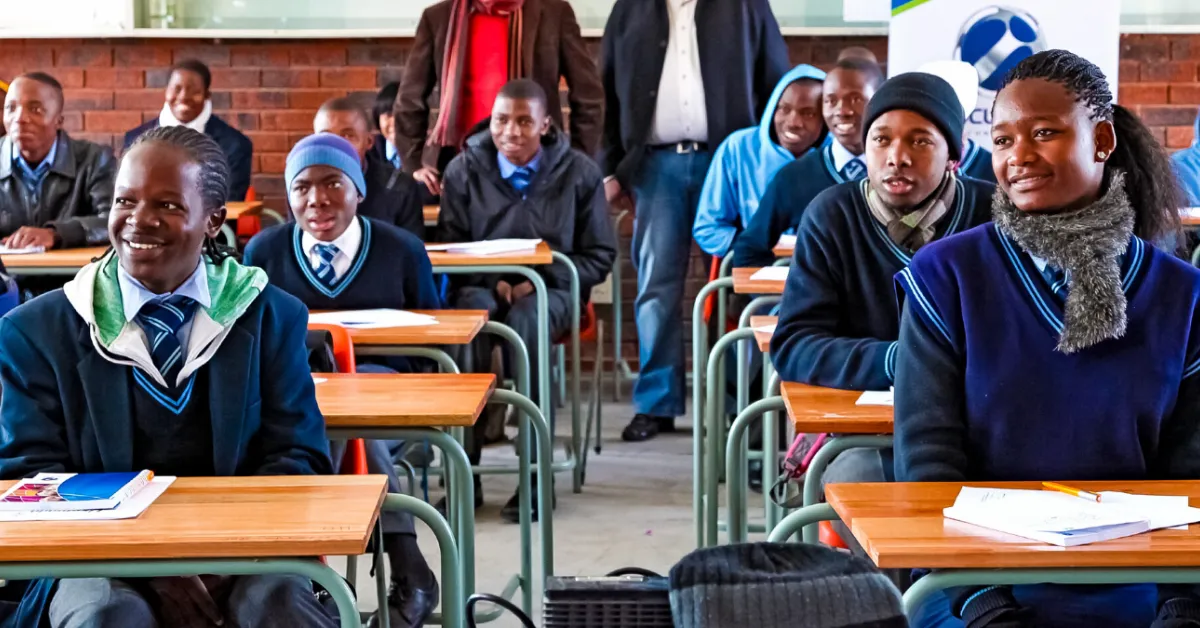
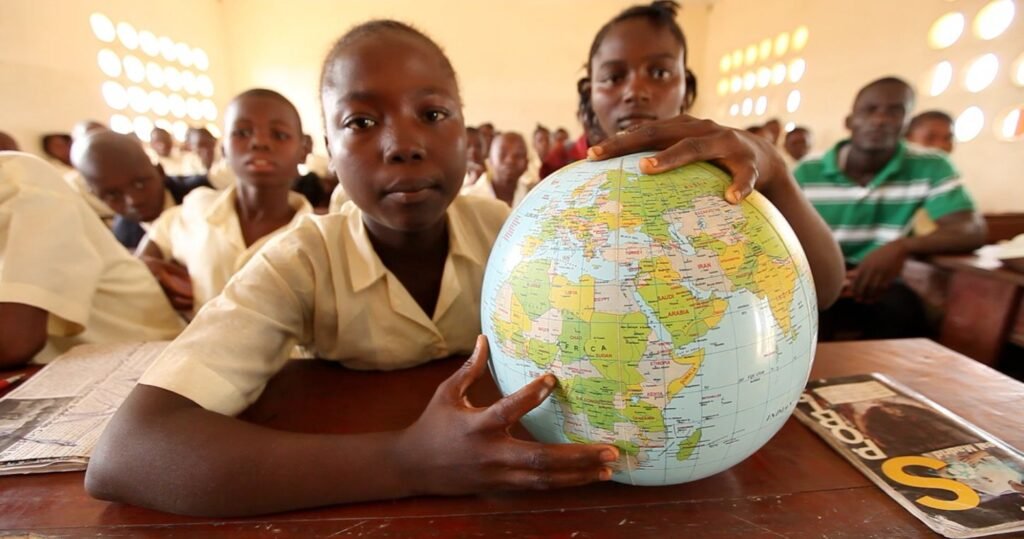
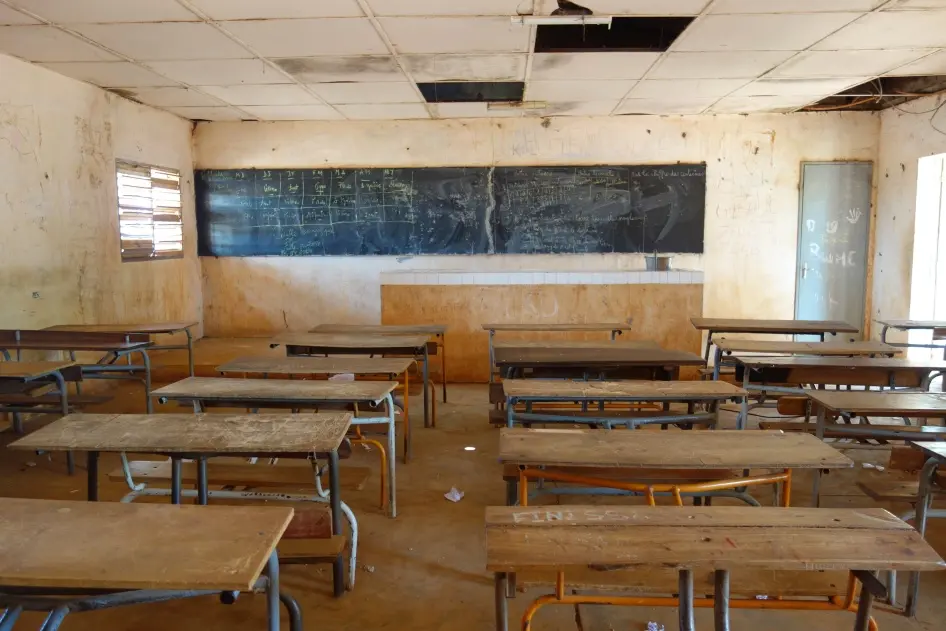
This wide gap in funding is not just a matter of numbers on paper. It reflects real challenges in classrooms across Africa, where many schools face overcrowding, insufficient teaching materials, and chronic shortages of trained teachers. The result is underperformance in key literacy and numeracy benchmarks and high dropout rates in several regions.
Competing Priorities and Structural Challenges
The struggle to meet funding targets is rooted in broader socio-economic pressures. Many African governments face competing demands on their limited resources, from security concerns in conflict-affected areas to climate-linked disasters and rising debt burdens. In some countries, defence spending absorbs a large slice of national budgets. For instance, Burkina Faso and the Democratic Republic of Congo allocate over 27 percent and 30 percent of their budgets, respectively, to defence, crowding out critical investments in education.
Debt servicing is another major constraint. Human Rights Watch has highlighted that in at least 15 African countries, debt repayment commitments now exceed education spending, forcing cuts to teacher salaries and school resources, and exacerbating overcrowded classrooms. These austerity measures undermine governments’ legal obligations to provide free, compulsory, and quality basic education.
Another structural issue is how education budgets are internally distributed. While higher education often receives about 20 percent of the education budget, early childhood learning sometimes receives a meagre 2 percent. Such imbalances weaken the foundation of learning and limit progress towards comprehensive education for all ages.
Demographic Pressures and Learning Outcomes
Africa’s rapidly growing population adds another layer of urgency to the funding shortfall. With the youth population expanding faster than most regions globally, the demand for education continues to rise. Despite improvements in school enrolment since 2015, more than 100 million African children remain out of school, and learning outcomes lag behind expectations. UNESCO and UNICEF data show that four out of five 10-year-old children across the continent cannot read a simple text, a stark indicator of the quality challenges faced by strained education systems.
The population trend also means that even meeting the current funding benchmarks may not be enough. Projections suggest that to achieve universal education by 2030, African education systems would need to accommodate 170 million more children, build some 9 million classrooms, and recruit roughly 11 million teachers. Without significant budget increases and more effective funding use, these targets will be hard to meet.
What Needs to Change
Addressing this persistent funding gap requires both political will and innovative thinking. African governments must prioritise education in their national budgets and ensure that expenditures are efficiently channelled to where they make the most impact. Diversifying financing sources is also essential. Experts now advocate for blended models that combine strong public funding with private sector partnerships, education-focused funds, and social bonds tailored to long-term investment in learning. Such approaches could reduce reliance on external aid and provide more predictable support for education systems.
Improving accountability and planning will also play a crucial role. Data-driven decision-making can help policymakers identify specific needs, such as teacher training, infrastructure gaps, or regions with high dropout rates, and allocate resources accordingly. Governments must also tackle systemic inequality, ensuring that girls, vulnerable children, and rural communities are not left behind.
The promise of education as a driver of economic growth and social mobility cannot be overstated. With Africa’s working-age population projected to reach 600 million by 2030, preparing young people with the skills needed for a modern economy is vital. Education empowers individuals and strengthens labour markets, fostering innovation and competitiveness.
The Road Ahead
Africa’s journey to fulfil its education commitments is far from over. While some nations clearly demonstrate that progress is possible, the majority still lag behind their own targets and global benchmarks. Achieving the Sustainable Development Goals, especially universal quality education, will require renewed commitment and sustained investment.
For policymakers, educators, and citizens alike, the task is clear: elevate education from a policy goal to an actionable priority backed by robust funding and strategic planning. Only then can Africa unlock the full potential of its youth and embark on a path to inclusive growth, shared prosperity, and lasting development.
Join Our Social Media Channels:
WhatsApp: NaijaEyes
Facebook: NaijaEyes
Twitter: NaijaEyes
Instagram: NaijaEyes
TikTok: NaijaEyes
READ THE LATEST EDUCATION NEWS