Nigeria finds itself at a critical inflexion point where the pace of technological change is reshaping not just jobs and industry but the very way young people learn, work and contribute to society. On International Day of Education 2026, the First Lady of Nigeria, Senator Oluremi Tinubu, delivered a powerful message to citizens that underscores the urgent need for a stronger, more inclusive approach to learning in a world increasingly powered by automation and artificial intelligence. Her message struck a chord with many Nigerians keenly aware that quality education will determine the nation’s capacity to compete and thrive in the modern global economy.
Table of Contents
A New Education Imperative for the 21st Century
In her address, the First Lady urged Nigerians to pay close attention to the 2026 International Day of Education theme: AI and Education: Preserving Human Agency in a World of Automation. She reminded the nation that while machines and algorithms are transforming how we live and work, human ingenuity, ethical judgment and creativity remain at the heart of what it means to succeed in the future.
She said that investing in inclusive, high-quality education is not just a slogan but a strategic necessity. In her view, learners should not only absorb knowledge but also cultivate the ability to think critically, act responsibly and meet the demands of a fast-changing world with confidence and compassion. According to her, technological tools should enhance human purpose rather than replace it.
Her remarks echo a growing consensus among educators, policymakers and global development experts that the future of work will demand more from students than traditional classroom instruction. Skills such as problem solving, digital literacy, interpersonal communication and ethical reasoning are gaining prominence alongside the technical know-how required in an era dominated by AI and data analytics.
Why Technology Integration Cannot Wait
While the First Lady’s message focused on the importance of education as a whole, stakeholders in the education sector have highlighted that technology adoption in schools is no longer optional. Leaders like Aminu Bello Masari, Chairman of the Board of Trustees of the Tertiary Education Trust Fund, have emphasised that universities and other higher learning institutions must urgently integrate technology into teaching and learning systems to produce graduates equipped for the global marketplace.
Speaking at a recent convocation ceremony, Masari described a deliberate shift towards technology-led education as inevitable for Nigeria. He pointed out that producing large numbers of graduates is not enough; these young people must possess skills and competencies that give them a competitive edge internationally. In his view, academic institutions must embrace digital tools to prepare graduates for real-world challenges in sectors like agriculture, healthcare, security and service delivery.
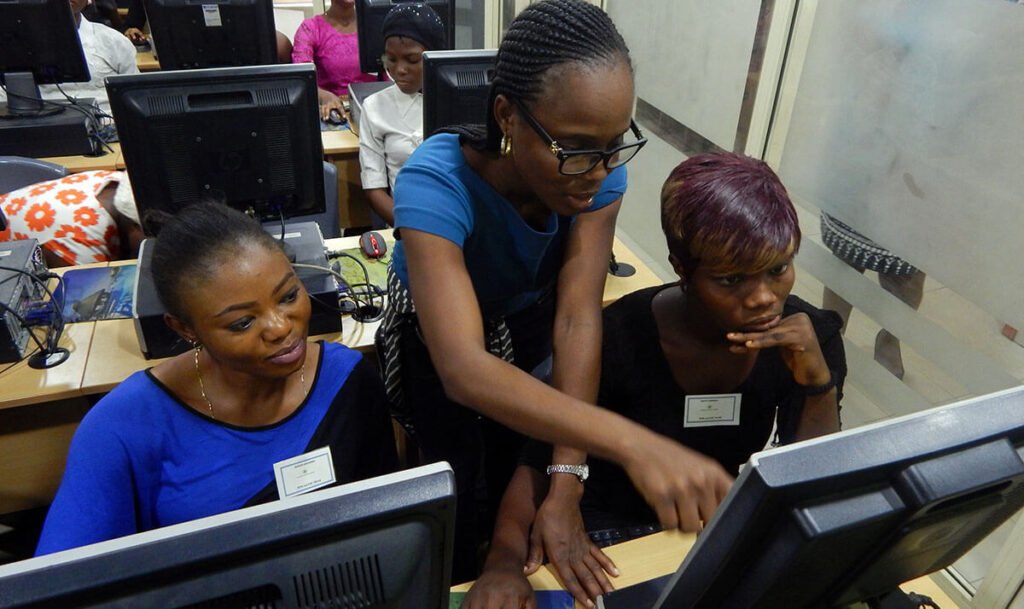
This approach calls for more than laptops or internet access in classrooms. It demands a rethinking of curriculum design, teacher training and institutional structures so that students can apply technology creatively, ethically and effectively. It also raises important questions about access to infrastructure, teacher readiness and equal opportunity for learners in rural and underserved areas.

Challenges Facing Nigeria’s Education Landscape
Despite the positive rhetoric around technology and education, Nigeria still faces significant hurdles on the path to a fully tech-enabled learning ecosystem. Large numbers of children remain out of school, and many others attend schools where access to digital tools and modern learning resources is limited. International development experts have warned that without urgent action, Nigerian children risk being left behind in a global economy increasingly defined by technological innovation and digital skills.
The divide in access to quality education is particularly visible between urban and rural communities, and between boys and girls in certain regions. Barriers such as inadequate infrastructure, insufficient training for educators and socioeconomic inequalities continue to constrain progress. Experts argue that these gaps must be addressed through targeted policy reforms, increased investment and public-private partnerships that can bring internet connectivity, smart devices and digital content to every classroom.
Policymakers are not blind to these challenges. Recent initiatives from the Federal Ministry of Education and partner agencies aim to modernise Nigeria’s learning landscape by harnessing educational technology to expand access and reduce learning gaps. One such strategy is the National EdTech Vision, designed to deliver a unified digital learning approach for every child in Nigeria.
This strategy recognises that digital learning cannot be an add-on; it must be woven into the fabric of how schools operate, how teachers are trained, and how students engage with knowledge. It also acknowledges that digital tools have the power to bring new opportunities to learners previously left on the margins.
A Shared Vision for Human and Technological Progress
What ties these perspectives together is a shared belief that education remains Nigeria’s most powerful resource in an age of rapid technological transformation. Whether through government support, institutional reforms or community-driven efforts, the goal is to ensure that learners are not merely consumers of technology but active contributors to innovation and development.
The First Lady’s message is a reminder that human values and ethical thinking must underpin these technological gains. Her call for Nigerians to embrace education with purpose, resilience and moral clarity reinforces the idea that technology should be a tool for empowerment and collective progress.
At the same time, voices within the education sector continue to urge more aggressive adoption of tech-driven learning systems. These systems are not just for students aspiring to careers in computing or engineering; they are relevant across sectors and subject areas. Technology can support personalised learning, enhance problem-solving skills and unlock creative potential in ways traditional methods cannot.

Looking Ahead
As Nigeria builds its strategy for education in the digital age, the stakes are clear. A generation that masters both human and technological competencies will be poised to compete globally, secure better employment opportunities and contribute to national development. Conversely, failure to act decisively risks leaving millions of young Nigerians at a disadvantage as the world moves forward.
In the coming years, the success of Nigeria’s education transformation will depend on collaboration between government agencies, educational institutions, civil society, parents and private sector partners. It will require not only investment in infrastructure and training but a cultural shift that values lifelong learning, adaptability and innovation.
For now, the First Lady’s message on International Day of Education 2026 reminds every Nigerian that education is not just about certificates or exams. It is a lifelong journey that empowers individuals and strengthens nations. As the world continues to evolve through technology, Nigeria’s greatest asset will always be its people and their capacity to learn, adapt and lead.
Join Our Social Media Channels:
WhatsApp: NaijaEyes
Facebook: NaijaEyes
Twitter: NaijaEyes
Instagram: NaijaEyes
TikTok: NaijaEyes
READ THE LATEST EDUCATION NEWS