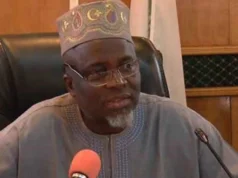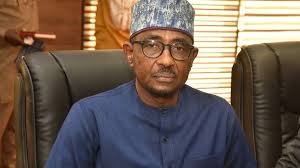
Nigeria’s foremost anti-graft agency, the Economic and Financial Crimes Commission, has formally begun an investigation into a corruption petition involving the former Managing Director of the Nigerian Midstream and Downstream Petroleum Regulatory Authority, Engr. Farouk Ahmed. The probe follows a high-profile complaint first raised by billionaire businessman Aliko Dangote, which has now been taken up for full examination by the EFCC and spans both domestic and international inquiries.
Table of Contents
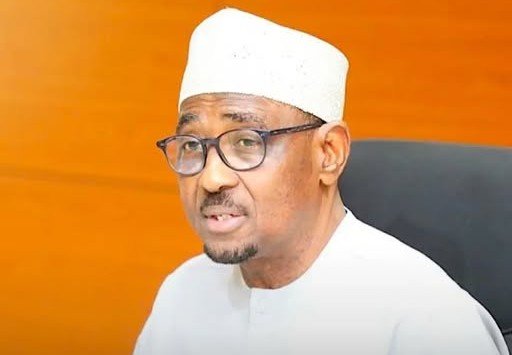
Dangote’s Corruption Allegations Against Ex-NMDPRA Boss
The allegations first surfaced publicly in December 2025 when Aliko Dangote, through his legal representatives, petitioned the Independent Corrupt Practices and Other Related Offences Commission (ICPC), accusing the former petroleum regulator of abuse of office and spending public funds unlawfully. Dangote’s complaint centred on claims that Ahmed allegedly spent millions of dollars on the education of his children abroad.
In the petition, Dangote asserted that approximately $7 million had been used to fund the foreign schooling of Ahmed’s four children over several years in Switzerland. The funds were reportedly spent on tuition, upkeep and related expenses at elite international institutions that included Montreux School, Aiglon College, Institut Le Rosey, and La Garenne International School. According to estimates made public, each child’s annual costs approached $200,000, and additional tuition payments were alleged for tertiary studies including an MBA programme at Harvard University.
Dangote maintained that such expenditure far exceeded Ahmed’s legitimate earnings as a public servant, and urged authorities to investigate the source and legality of the funds. In his words, Nigerians had a right to know how public resources were being used at a time when many parents across the country struggle to afford basic school fees.
Shift to EFCC After ICPC Withdrawal
The petition was initially filed with the ICPC in mid-December 2025 and immediately drew national attention, prompting civil society calls for urgent action and even formal invitations for Dangote to appear before the commission. However, through a letter dated January 5, 2026, Dangote formally withdrew the complaint from the ICPC and redirected it to the EFCC in what his legal team described as a strategic move to expedite any potential prosecution.
Despite the withdrawal, the ICPC has stated that it will continue to scrutinise the matter under provisions of its governing legislation, ensuring that no leads go unexplored even as the EFCC takes the lead.
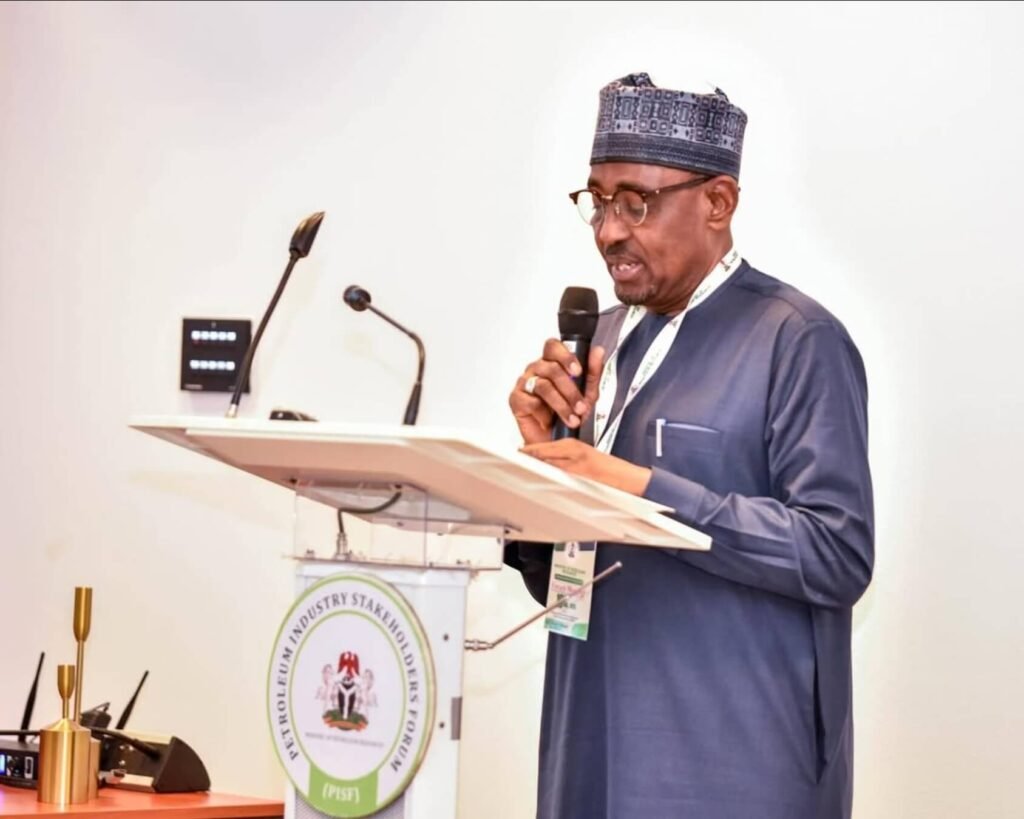
EFCC’s Methodical, Evidence-Based Approach
Senior officials within the EFCC who spoke to the press on condition of anonymity confirmed that the agency has begun preliminary work on the complaint but has not yet summoned Ahmed for questioning. According to the officials, standard investigative practice dictates that the commission must first engage with all entities and individuals mentioned in the petition to collect statements, records, and evidence that could ground subsequent steps in the process.
Investigators are reportedly drafting formal letters to a range of parties identified in Dangote’s petition. These include Nigerian government bodies, companies, and international institutions, as well as the Swiss schools where Ahmed’s children are said to have been enrolled. The EFCC’s approach is to carefully gather documentation and responses before considering whether to invite or charge the accused.
One source explained that inviting Ahmed without completing both local and international engagements would be premature. That preliminary work is viewed as critical in building a defensible case, should evidence of wrongdoing be established.
National Debate About Accountability and Corruption
The investigation has reignited national debates about transparency, accountability, and ethics in public office. Civil society and advocacy groups have called for thorough and transparent action from Nigeria’s anti-corruption bodies, emphasising the need to reinforce public confidence in institutions responsible for regulating vital sectors of the economy.
At the same time, some commentators and supporters of Ahmed argue that the probe must be fair and unbiased, safeguarding the rights of the accused while ensuring that due process is followed. Analysts point out that allegations of this magnitude must be corroborated with clear, admissible evidence, particularly when they involve substantial sums and international components.
The case forms part of broader scrutiny of regulatory practices in Nigeria’s oil and gas sector, a field that has faced persistent criticism for opaque decision-making and alleged corruption. By pursuing a methodical investigation that includes cross-border inquiries, the EFCC has signalled its intent to handle the matter with procedural rigour.
What Comes Next
With correspondence already in motion, the next phase of the probe will likely involve responses from educational institutions named in the petition as well as additional documentary evidence from local and international sources. Only after these key inquiries are concluded is it expected that the EFCC will consider inviting Farouk Ahmed to respond directly to the allegations.
For many observers, the case represents a test of Nigeria’s anti-corruption architecture and its capacity to navigate complex investigations involving high-profile figures and multi-jurisdictional elements. As the EFCC’s work unfolds, Nigerians across the country will be watching closely to see how the balance between accountability and fairness is maintained.
This developing story continues to shape discussions about ethical standards for public officials, the role of private citizens in holding leaders to account, and the effectiveness of Nigeria’s foremost anti-graft institutions in addressing allegations that strike at the heart of public trust.
Join Our Social Media Channels:
WhatsApp: NaijaEyes
Facebook: NaijaEyes
Twitter: NaijaEyes
Instagram: NaijaEyes
TikTok: NaijaEyes
READ THE LATEST EDUCATION NEWS