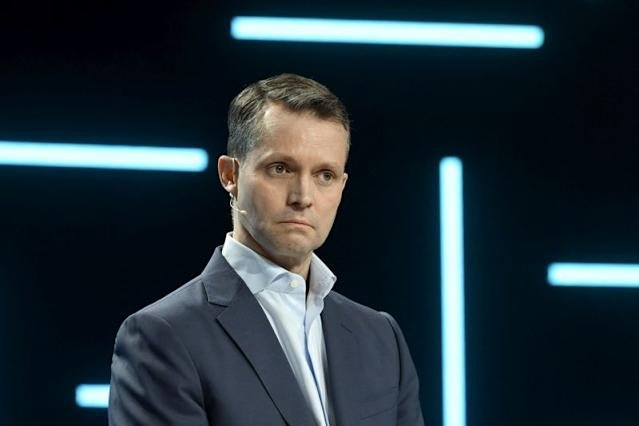
In a moment of economic reflection that matters both in Washington and Brussels, the Chief Executive Officer of Nokia has delivered a clear message for global technology leaders and policymakers. At the heart of this message is a simple but powerful idea: Europe and the United States cannot succeed by isolating themselves from each other in the technology sector. Instead, they must find ways to grow together and build technology industries that are strong, secure, and competitive.
This argument comes at a time when the European Union is deep in discussions about how best to support innovation in the face of rising geopolitical tension, supply chain challenges, and the rapid evolution of digital technologies. The call for greater cooperation between the two economic powerhouses is both strategic and timely.
Table of Contents
Shared Markets, Shared Challenges
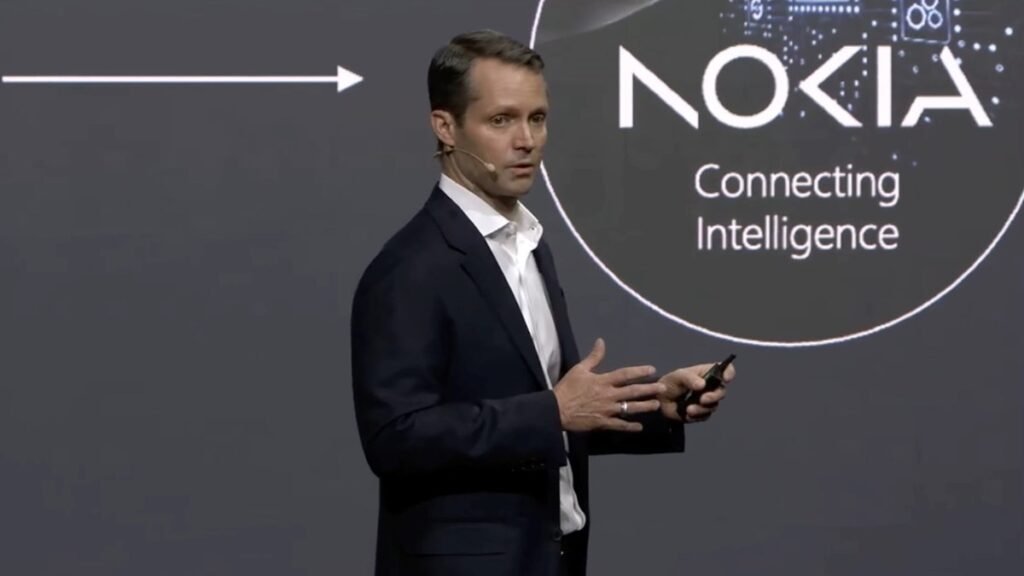
Justin Hotard, Chief Executive Officer of Nokia, spoke openly with Reuters in an interview that has drawn attention across the telecoms sector. Hotard emphasised that large technology firms cannot afford to focus on just one market or region if they are to remain competitive on the world stage. He pointed out that companies like Nokia and its Swedish rival, Ericsson, benefit from access to both European and American markets, and that attempts to decouple the tech ecosystem could harm both sides.
“Every single one of us cannot subsist on one continent or the other. We need both,” Hotard told reporters. He explained that in technology, especially where innovation cycles are rapid and unforgiving, access to a broad customer base matters for success. A company’s ability to invest in research and development, build products that scale, and attract global talent all depend on having large unified markets.
For Nokia, much of its revenue comes from selling equipment and services across both Europe and the United States. This includes network infrastructure such as 5G radio access gear, fibre optics, and cloud-based solutions. In the telecoms space, where long-term contracts and huge capital investments are the norm, losing access to either side of the Atlantic could weaken a company’s global footing.
Hotard underlined this reality by noting that there is significant dependence on each other among companies of scale in both regions. European tech firms draw strength from the U.S. market, and vice versa, and disentangling this relationship would not only be impractical but also counterproductive for long-term growth.
Geopolitical Shifts and Tech Strategies
The CEO’s remarks are unfolding against a backdrop of shifting global priorities. Governments around the world are reassessing their tech strategies in response to tensions with China, supply chain vulnerabilities exposed by the COVID-19 pandemic, and emerging digital security concerns.
In recent years, several Western governments have moved to restrict Chinese technology vendors in critical telecommunications infrastructure. For example, the United States has placed limits on the use of equipment from certain Chinese companies in its networks, citing security reasons. Similarly, the European Commission in Brussels has proposed measures to phase out “high-risk vendors” in areas such as 5G networks as part of efforts to safeguard sensitive infrastructure.
These developments create new opportunities for Western suppliers like Nokia and Ericsson. With Chinese vendors facing regulatory hurdles, Western firms could see increased demand for their equipment. However, Hotard warned that Europe and the U.S. should avoid turning their backs entirely on global cooperation. Instead, he said, they should prioritise collaboration that strengthens domestic capacity without closing off strategic international partnerships.
In the context of European policy, this reflects ongoing debates about how best to support innovation and industrial growth. Many European leaders want to build stronger homegrown tech champions to compete with American and Chinese giants. Measures under consideration include financial incentives, research partnerships, and regulatory changes to support investment in emerging areas like 6G, artificial intelligence, and semiconductors.
For the United States, the challenge has been to maintain technological leadership while safeguarding national security. Washington has invested heavily in domestic semiconductor manufacturing and research, aiming to reduce dependence on foreign suppliers for key components. But U.S. telecom carriers still rely on foreign-made network gear because of past market dynamics and regulatory shifts.
The result is a complex web of cooperation and competition, with Europe and the United States each pushing for stronger capabilities while recognising that isolation is not a viable strategy.
Nokia’s Position and Market Realities
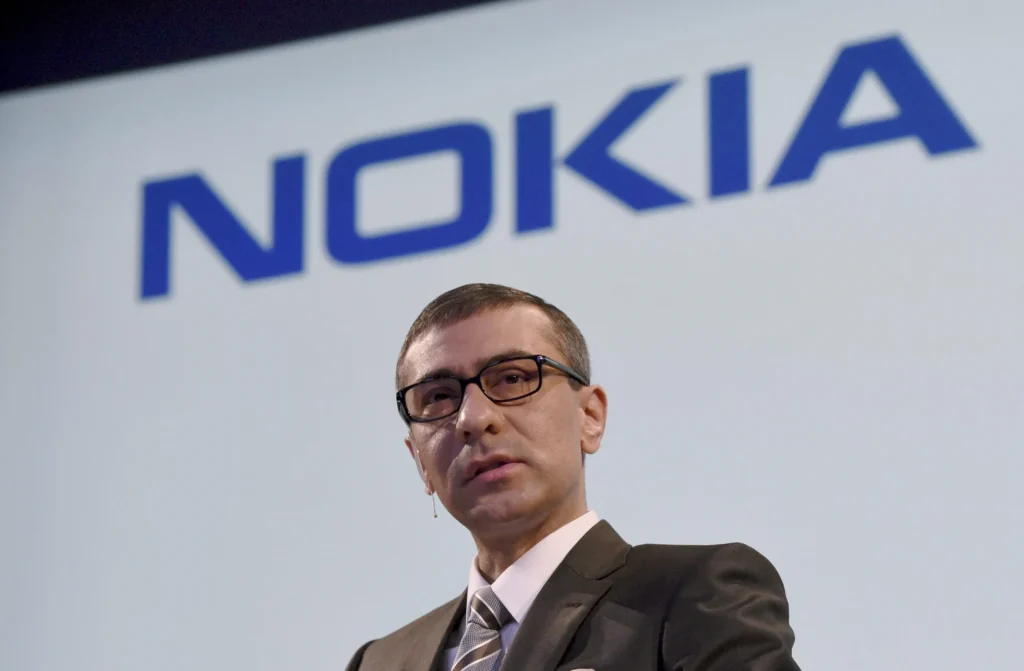
Nokia’s position as one of the world’s leading telecommunications equipment makers has placed it squarely in the centre of these debates. The company generates significant revenue from both sides of the Atlantic and has consistently argued for policies that balance growth with security. Hotard’s comments reflect Nokia’s broader strategy of serving global markets while adapting to new economic realities.
In recent years, the company has been vocal about the need for stable long-term investment in technology infrastructure. The transition to 5G and plans for future 6G networks require huge investments from carriers, governments, and equipment makers alike. Nokia has also highlighted the importance of secure supply chains that reduce exposure to geopolitical shocks.
Industry analysts say that the telecoms market is at a pivotal moment. After years of relatively slow investment in 5G upgrades across Europe, there is renewed interest in strengthening networks, especially as digital connectivity becomes essential for economic growth. In this sense, Hotard’s message resonates with a broader shift toward building sustainable and resilient tech ecosystems.
Some policymakers in Brussels have expressed support for creating conditions that help European tech firms compete globally. These include measures to streamline regulatory frameworks, improve access to financing, and encourage collaboration between businesses and research institutions. However, there is also recognition that Europe cannot act alone if it wants to remain at the technological forefront.
Future Directions for Transatlantic Tech Cooperation
Looking ahead, the coming months and years are likely to be decisive for how Europe and the United States shape their technological futures. Nokia’s CEO has urged both sides to think long-term, embracing cooperation rather than competition as the best path forward.
Part of this strategy involves making sure that European firms are well-positioned to capture emerging opportunities. That includes supporting research and development, creating favourable investment climates, and strengthening links with international partners. At the same time, it means acknowledging that the U.S. remains a crucial partner for market access, talent exchange, and innovation ecosystems.
For U.S. policymakers, engagement with European counterparts on technology standards, digital infrastructure, and industrial policy could help maintain competitiveness in the global tech arena. Building bridges between regulatory frameworks and encouraging joint investments in emerging fields such as artificial intelligence and next-generation networks may also reinforce economic ties.
Hotard’s message is a reminder that technology does not respect borders in the way trade barriers or tariffs might. In an interconnected world, companies benefit when markets are open, collaboration is encouraged, and policies are designed to support sustainable growth.
In a statement that reflected both urgency and optimism, Hotard emphasised that Europe should accelerate efforts to support its own tech champions. He noted that this is not just important for the tech sector, but for other areas of economic activity that depend on innovation, investment, and skilled labour.
The challenge now for Europe and the United States is to find a path that combines strategic autonomy with meaningful cooperation. For Nokia, and many others in the industry, the belief is that this balance is not only possible but necessary for long-term success in the global technology race.
Join Our Social Media Channels:
WhatsApp: NaijaEyes
Facebook: NaijaEyes
Twitter: NaijaEyes
Instagram: NaijaEyes
TikTok: NaijaEyes