In today’s rapidly changing world, educational certificates are more than just paper or digital files. They are passports to jobs, professional credibility and social mobility. But a quiet threat is eroding trust in these credentials on a global scale. Fake certificates, once joked about or dismissed as a fringe issue, are now a serious concern for employers, educational institutions and governments alike. With the rise of digital tools and generative artificial intelligence, producing fraudulent academic and professional documents has never been easier. This trend is undermining faith in qualifications, slowing recruitment processes, and placing real skills and talent at risk of being overlooked.
Unlike other education‑tech stories that focus on personalised learning platforms or artificial intelligence tutors, fake certificate detection sits at the intersection of technology, ethics and security. It is not only about catching cheats. It is about protecting the very foundation of formal education systems and ensuring that merit, effort and honest achievement remain recognisable and valued.

Table of Contents
Growing Threat of Counterfeit Credentials
The global education and employment sectors are waking up to a disturbing reality: a significant number of academic certificates and professional credentials circulating today are not genuine. In some countries, audits have shown that up to 30 per cent of academic documents used in formal processes may be falsified or manipulated. This problem is not limited to rare isolated cases; it shows structural weaknesses in traditional verification systems used across schools, universities and workplaces.
Historically, forgers needed specific skills, time and access to printing resources to produce a convincing fake diploma. Today, generative AI tools, photo‑editing software and internet templates put convincing fake certificates within reach of anyone with a basic computer and a few hours to spare. Malicious actors can replicate official logos, watermarks, signatures and formatting to create documents that pass visual inspection by untrained eyes. Traditional manual verification struggles to keep pace because there is no immediate way to know whether the text, seals or metadata on a certificate are authentic without contacting the issuing institution.
At the same time, “diploma mills” — organisations that issue credentials with little or no academic merit — continue to flourish around the world. These operations often masquerade as legitimate universities, offering degrees that look real but have no educational substance behind them. These entities further blur the line between legitimate and counterfeit documents, feeding an underground market that thrives on desperation and lack of oversight.
Why Education Technology Must Focus on Detection
The term fake certificate detection in education technology might sound niche, but its impact is broad and deep. Academic and professional credentials are used everywhere — from hiring workers and awarding professional licences, to admitting students into advanced study and determining eligibility for competitive programmes. When employers, regulators and institutions cannot trust certificates, the entire system becomes fragile.
A core reason this issue should be centre stage in education tech is that old verification systems are no longer sufficient. Many universities and awarding bodies still rely on email replies, scanned copies or manual checks to confirm a certificate’s authenticity. This can be slow, costly and vulnerable to manipulation. In contrast, emerging technologies can permanently record and verify credentials with high security and speed.
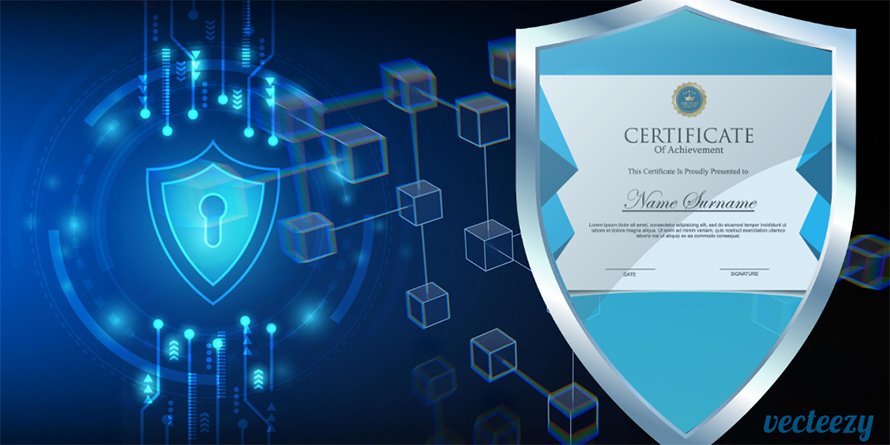
One of the most promising advances comes from blockchain technology. Blockchain creates a decentralised, tamper‑proof ledger where records, once entered, cannot be altered or erased without detection. Certificates issued on such a system carry cryptographic signatures that employers and institutions can verify instantly. Instead of waiting weeks for an institution to confirm a graduate’s degree, a single check against a secure ledger can produce results in seconds.
Automated detection is another front of innovation. Machine learning and AI‑based tools can analyse document metadata, visual cues and digital patterns to flag suspicious certificates. These systems are especially valuable for large organisations that handle thousands of applicant documents. They can highlight irregularities faster and with more consistency than human reviewers, who may miss subtle red flags in design or text.
But even with advanced tools available, adoption remains inconsistent. Many countries and institutions have yet to integrate these technologies into their standard processes. Some are constrained by budgets, infrastructure gaps or simply a lack of awareness about how pervasive certificate forgery has become.
Real‑World Impacts Around the World
The consequences of unchecked fake credentials are stark and far‑reaching. In some regions, routine government audits have uncovered thousands of certificates that fail verification. In others, anti‑corruption bodies have raised the alarm over fake academic credentials used both in public and private sectors, warning that unverified professionals are entering critical roles without the necessary skills.
When unqualified individuals land jobs meant for skilled professionals, the effects ripple outward. For businesses, hiring someone with a fake qualification can mean reduced productivity, increased training costs and even legal liability. For regulatory and professional bodies, it can erode public trust in qualifications and institutions. And for students who have worked genuinely for their certificates, it creates unfair competition and devalues their hard‑earned achievements.
Even more alarming are the social and political implications. With fake credentials used to gain positions in influential sectors such as healthcare, engineering or law, there is potential for harm not just to businesses but to public safety and welfare. Trust is a cornerstone of any formal system. Once people begin to doubt whether diplomas and licences are genuine, confidence in institutions declines, and cynicism grows.
In the corporate world, some nations have responded with structured verification services designed to centralise and automate the validation process. In Nigeria, for instance, government initiatives now emphasise nationwide credential verification services for staff recruitment, insisting on official clearance checks before confirmation of employment. This is a step in the right direction, but the success of such measures depends on technology adoption and enforcement at every level.
The Path Forward: Collaboration and Innovation
Addressing fake certificate fraud is not a task for technologists alone. It requires a collaborative effort between education policy makers, technology developers, employers and regulators. The goal is to develop systems that are both secure and easy to use, so that verification becomes a natural part of hiring and admission processes rather than a cumbersome extra step.
Public‑private partnerships can play a major role in scaling up technology adoption. Governments can set standards for digital certificate issuance and verification, while private innovators build platforms that comply with those standards. Technology like blockchain should not remain experimental or optional, but be integrated into mainstream education and employment infrastructure.
For employers, investing in real‑time verification tools and automated detection software should become part of risk management strategies. No company wants to discover that an employee in a critical role lacks the qualifications they claim to have. Preventing that scenario protects both the organisation and its stakeholders.
For educational institutions, offering secure, digitally verifiable credentials enhances their reputation and trustworthiness. Instead of merely issuing certificates as static files, universities can adopt systems that allow students to control and share their credentials securely, without fear of alteration or fraud.
Finally, individuals — from students to job seekers — have a part to play. Upholding academic integrity and understanding the ethical implications of falsifying credentials helps strengthen systems from the ground up. Awareness campaigns and education around the consequences of fraud can shift cultural attitudes towards qualifications and honesty.
Conclusion
The rise of fake certificates is not a passing fad. It has become a major issue that intersects with technology, employment, governance and ethics. Education technology as a field must embrace this challenge, not as a side conversation but as a priority story that affects billions of lives worldwide. Institutions that fail to pay attention to certificate fraud risk eroding the very foundation of trust that makes education meaningful. By focusing on fake certificate detection in education technology, we can protect learners, employers, and the future of credible qualifications everywhere.
Join Our Social Media Channels:
WhatsApp: NaijaEyes
Facebook: NaijaEyes
Twitter: NaijaEyes
Instagram: NaijaEyes
TikTok: NaijaEyes
READ THE LATEST EDUCATION NEWS