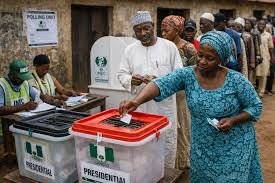
The Federal Capital Territory (FCT) 2026 Area Council elections have taken a dramatic turn in parts of Abuja, especially in Lugbe, where reports of money changing hands at polling units have drawn sharp reactions from both citizens and security agencies. As voters and electoral officials gathered across the territory’s six councils to cast ballots, an unfolding drama in Lugbe points to persistent challenges in Nigeria’s grassroots electoral process.
Residents in the Abuja Municipal Area Council (AMAC) woke up early on Saturday to take part in the highly anticipated local polls. The elections, which will determine the chairmen and councillors for councils including Abaji, Bwari, Gwagwalada, Kuje, Kwali and AMAC, are being closely followed across the city for what they signal about democratic participation and governance at the local level.
At several polling stations in Lugbe, witnesses claim that individuals were observed receiving cash from unidentified persons, sparking questions about the integrity of the voting process. In some scenes that have begun circulating on social media, groups of people were seen lining up near parked vehicles, collecting envelopes before walking toward nearby polling units. The authenticity of the videos and the exact nature of the exchange have not been independently confirmed, but the optics have heightened concerns about vote buying and electoral malpractice in the capital.
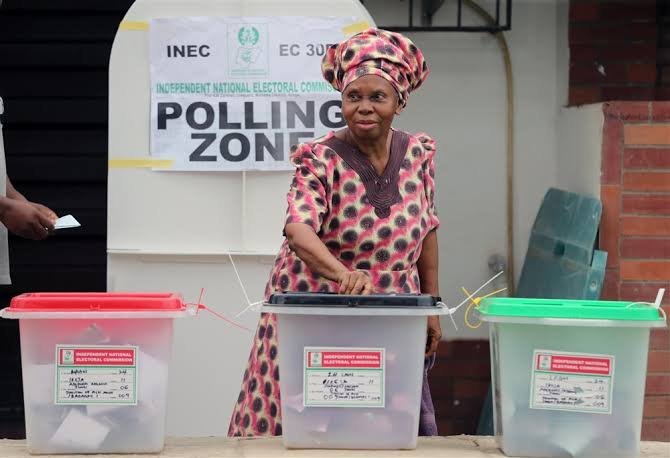
EFCC and Security Agencies Move to Enforce Electoral Laws During FCT 2026 Area Council Elections
In response to these concerns, operatives of the Economic and Financial Crimes Commission (EFCC) were deployed to the affected areas, including multiple voting centres in Lugbe. Their presence was aimed at preventing further incidents of inducement and ensuring compliance with electoral laws. According to sources, the anti-graft operatives patrolled the polling units, engaging with security agents and electoral officials to monitor suspicious activities.
This enforcement action comes against the backdrop of stern warnings from the Independent National Electoral Commission (INEC) ahead of the elections. INEC chairman Prof. Joash Amupitan had previously cautioned that attempts to buy or sell votes would attract the full force of the law, and had authorised agencies such as the EFCC and the Independent Corrupt Practices and Other Related Offences Commission (ICPC) to intervene where necessary. The commission emphasised that such infractions undermine not only the credibility of the election but also public confidence in democratic institutions.
The presence of the EFCC at sensitive polling locations drew both support and criticism from citizens. While some voters welcomed the intervention as a necessary step towards cleaner elections, others viewed the heightened security as an intimidating factor that could discourage turnout. A few community leaders echoed the sentiment that the heavy-handed approach might suppress legitimate voter participation if not balanced with clear communication and protection of civic rights.
Security agencies across Abuja have been under significant pressure to maintain calm and order throughout the exercise. Prior to the polls, the Nigeria Police Force, in collaboration with other security partners, announced a restriction of movement across the FCT from early morning until late afternoon on election day. This measure was intended to facilitate a peaceful electoral environment, though reports suggest that the ban was not uniformly observed in all parts of the territory.
Logistical Hurdles Affect Early Voting Turnout
Aside from the controversy in Lugbe, logistical challenges have also shaped the early hours of the election. Observers and voters in various parts of AMAC and neighbouring councils noted that many polling units were yet to receive their full complement of electoral materials, even after polls were scheduled to begin. At some units, only security personnel were present as of mid-morning, leaving prospective voters uncertain about when accreditation and voting would start.
The Independent National Electoral Commission had assured residents that both sensitive and non-sensitive materials were dispatched from central distribution points earlier in the week and that officials and electoral staff were ready for the exercise. The distribution process involved hundreds of vehicles and numerous logistical teams tasked with transporting materials to polling units across the vast FCT.
In addition, the commission deployed Bimodal Voter Accreditation System (BVAS) devices to ensure accurate voter identification and transparency in the accreditation process. These devices were meant to verify Permanent Voter Cards (PVCs) and capture biometric data as part of the voting procedure.
Nevertheless, delays in the arrival of INEC officials at certain locations contributed to low voter turnout in parts of the territory at the start of the polling day. At some polling units in Wuse and Kubwa 2, only a handful of voters were present by mid-morning, with many expressing frustration over the slow start.
The low turnout in the early hours was mirrored in other councils such as Bwari and Kuje, where observers reported that few residents were at the voting stations shortly after polls were due to open. This trend could reflect voter apathy, scepticism about the process, or a reaction to the persistent rumours of vote buying and other irregularities.
Nigeria’s Democratic Journey and What These Elections Mean
The FCT Area Council elections are significant not only because they shape local governance but also because they are seen as a barometer of Nigeria’s larger democratic health. With over 1.5 million eligible voters across the territory, the outcome and conduct of this poll could influence public perceptions ahead of future elections at state and national levels.
In many ways, the elections are a reflection of Nigerians’ continuing struggle to deepen democratic practices, enhance participation and reduce corruption in the electoral process. The importance of accountability, fair play and institutional integrity cannot be overstated, especially in a political environment where confidence in governance remains fragile.
The Independent National Electoral Commission has appealed to voters to participate peacefully and responsibly, stressing that every eligible vote counts. Civil society groups and observer organisations have also called for transparency and adherence to electoral laws, emphasising the need for credible results that reflect the will of the people.
As the day progressed, many polling units across the FCT began to see a gradual increase in voter turnout. Despite the early hiccups, some electoral officials reported that the accreditation process picked up momentum as materials arrived and equipment was set up. Security agencies maintained a visible presence across strategic locations to guard against disruptions.
Nevertheless, the scenes in Lugbe and the broader conversation about vote buying underscore the broader challenges facing Nigeria’s electoral system. Corruption has long been cited as a key obstacle to democratic consolidation, and the persistence of inducement practices in the nation’s capital highlights the work yet to be done.
For many voters, the choice at the ballot box represents more than a seat on the local council. It signals hope for improved infrastructure, better community services and stronger representation at the grassroots. The conduct of the election, therefore, carries implications far beyond the immediate results.
The FCT Area Council polls are set to continue throughout the day, with accreditation ending in the late afternoon. INEC is expected to begin collating results soon after voting concludes, with winners announced in each of the councils based on the outcomes.
In the coming hours and days, attention will be focused on how electoral authorities, security agencies, and political actors address the controversies emerging from Lugbe and other parts of the FCT. The ability of democratic institutions to uphold the integrity of the process will be under public scrutiny, shaping opinions about the future direction of participatory governance in Nigeria.
Join Our Social Media Channels:
WhatsApp: NaijaEyes
Facebook: NaijaEyes
Twitter: NaijaEyes
Instagram: NaijaEyes
TikTok: NaijaEyes
READ THE LATEST NEWS ON POLITICS