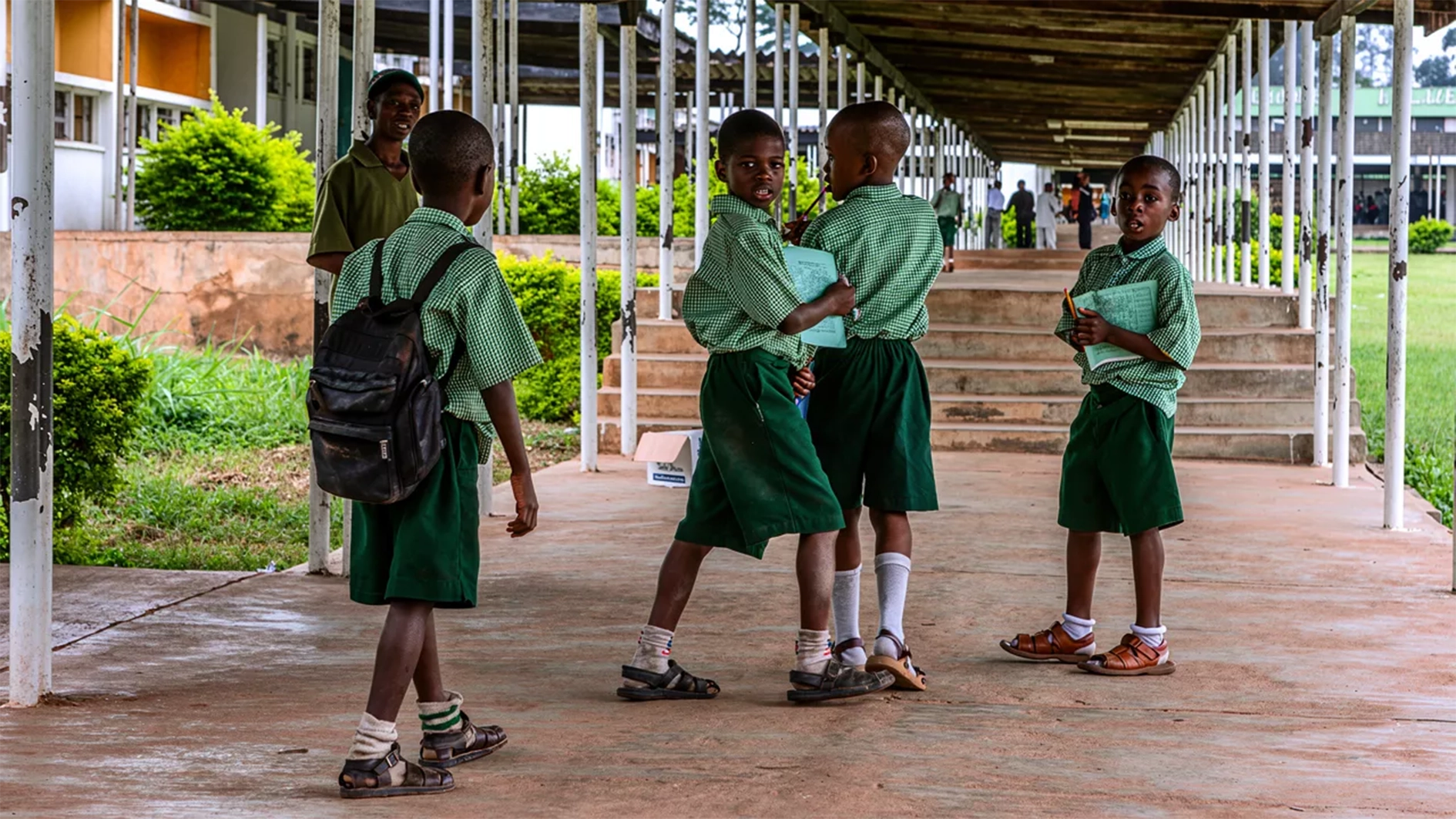
In a major move to broaden access to basic education, the Federal Government of Nigeria has officially commenced the national distribution of 15 million learners’ support kits to pupils across the country. The initiative, launched on Friday in Makurdi, Benue State, marks one of the largest direct education support efforts in recent years and signals renewed commitment towards tackling barriers that keep children out of school.
Table of Contents
Federal Government New Hope for Access to Education
The launch of the learners’ support kits distribution coincided with the 2026 Benue State Universal Basic Education Board (SUBEB) Basic Education Summit and the official rollout of the Learners Support Programme (LSP). Against the backdrop of discussions on improving enrolment and retention in Nigeria’s basic schools, federal and state education officials highlighted the importance of this intervention.
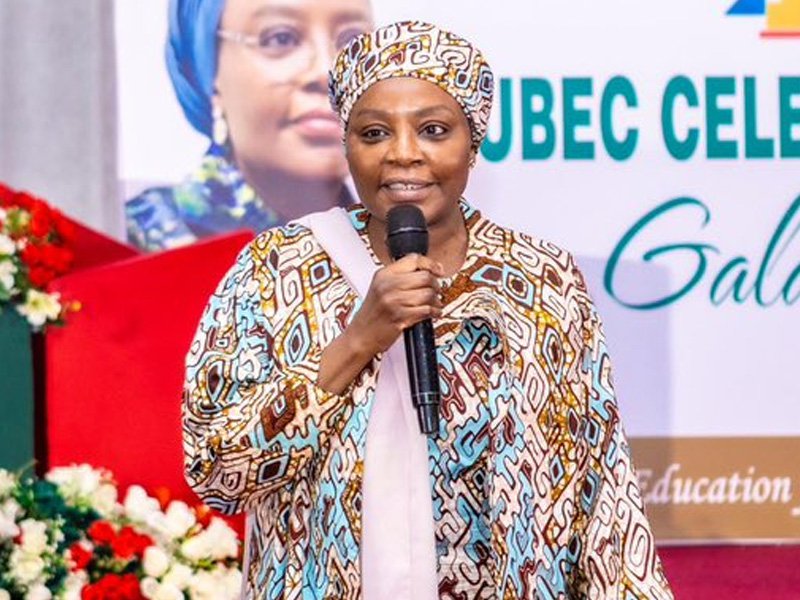
Dr Aisha Garba, Executive Secretary of the Universal Basic Education Commission (UBEC), said the programme is designed to alleviate financial pressures that often prevent children from attending school regularly. The first tranche of the support, involving 1,155,900 kits, has already begun distribution to pupils from low-income and vulnerable households.
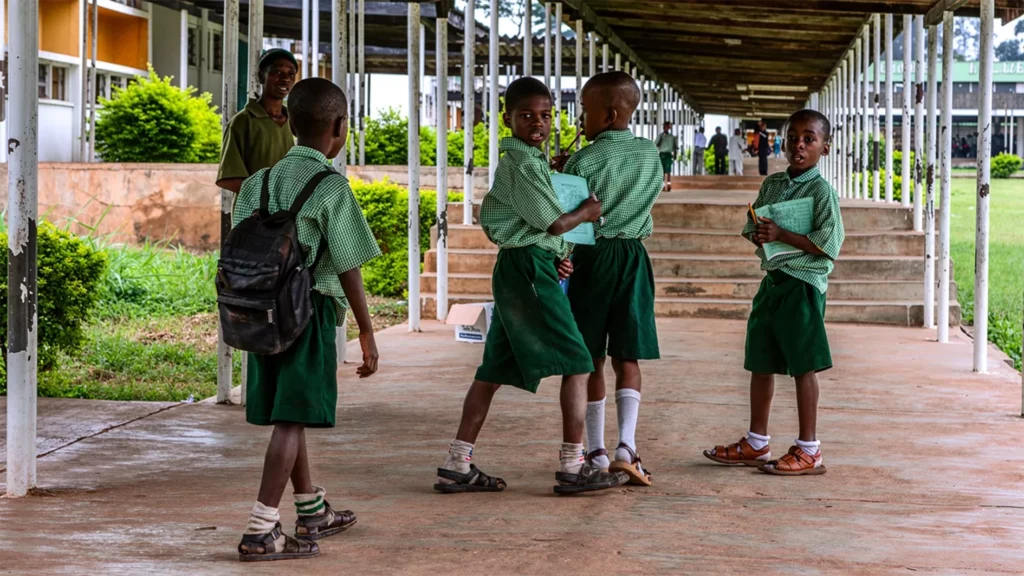
Each learner’s kit includes essential school materials such as bags, sandals, pencils, and exercise books. Garba explained that these items are intended not only as material support but also as encouragement to families and communities to prioritise education for their children. The full plan envisages reaching all 15 million kits across the country in the weeks and months ahead.
Federal Government Commitment to Inclusive Education
The initiative is part of the Renewed Hope Agenda of President Bola Ahmed Tinubu’s administration, with a specific focus on ensuring that no child—regardless of background, gender, or location—is left behind in accessing education. During her address at the flag-off event, Garba underlined the administration’s determination to reverse the persistent trend of out-of-school children in Nigeria.
Garba’s remarks came against a backdrop of ongoing efforts to improve the broader basic education system, including strengthening community engagement, integrating technology for tracking enrolments, and offering incentives for girl-child education. Other strategies discussed at the summit included teacher training enhancements, greater school security measures in vulnerable areas, and expanded opportunities for older children who have missed formal schooling.
According to officials, millions of children remain outside formal education despite existing policies such as the Universal Basic Education Act of 2004, which aims to guarantee free and compulsory education for all children of school age. The new distribution of learner kits is a visible, practical step designed to remove some of the economic barriers families face.
Strategic Partnerships and Local Implementation
Benue State was chosen as the host for the national launch due to its strategic role in advancing educational reforms and its visible efforts to improve school infrastructure. Governor Rev. Hyacinth Alia’s administration has been recognised for prioritising basic education, and the state’s Universal Basic Education Board (SUBEB) has actively supported the summit and outreach efforts.
The UBEC also acknowledged the role of Dr Grace Adagba, Chairman of Benue SUBEB, for her leadership in organising the summit and mobilising communities around the education agenda. The theme of the summit—Innovative Strategies for Addressing the Menace of Out-of-School Children: Enhancing Enrolment and Retention in Basic Schools—highlighted the urgent need for fresh approaches in tackling longstanding challenges.
Beyond the learners’ kits, UBEC outlined a range of infrastructural and community-based improvements already underway in Benue State. These include the construction of new classrooms, the renovation of existing ones, the installation of boreholes for clean water, and the provision of school furniture. More than 13,670 community-based projects have been completed under the School-Based Management Committee (SBMC) School Improvement Programme, benefiting over 430,000 learners.
Addressing the Out-of-School Challenge
Despite progress, the number of children out of school remains a pressing concern. Experts and education activists have pointed to poverty, insecurity in certain regions, and inadequate educational infrastructure as major factors contributing to low enrolment and high dropout rates in Nigeria.
By placing practical support directly in the hands of learners and their families, the government hopes to change incentives and strengthen efforts to keep children in school. For many parents, even small financial burdens associated with schooling—such as buying books, bags, or shoes—can be prohibitive. The provision of learners’ kits seeks to remove these barriers, enabling children to focus on learning rather than the cost of attending school.
Garba reaffirmed UBEC’s readiness to work with Benue and other states to scale up enrolment drives and sustain efforts to reach out-of-school children. Programmes such as the Learners Retention Support Programme and expanded non-formal education options for older children are part of this broader push.
Looking Ahead: Federal Government National Education Goals
Education stakeholders at the summit expressed optimism that the distribution of 15 million learner support kits could have a ripple effect across the basic education system. Beyond immediate support, there is a strong focus on creating sustainable changes that improve transition rates from primary to junior secondary school and build resilient learning environments in communities nationwide.
The summit is set to generate policy recommendations and actionable strategies to expand access to quality basic education, particularly in underserved regions. Discussions will centre on fostering stronger partnerships between federal, state, and local governments, civil society organisations, and community leaders to ensure educational reforms are implemented effectively and equitably.
The federal government’s nationwide rollout of learners’ support kits represents a key milestone in Nigeria’s education policy. It is a clear signal that addressing the challenge of out-of-school children is both a national priority and a collective responsibility. As distribution efforts gather momentum, stakeholders will be watching closely to see how the initiative translates into improved enrolments, retention, and learning outcomes for millions of Nigerian children.
Join Our Social Media Channels:
WhatsApp: NaijaEyes
Facebook: NaijaEyes
Twitter: NaijaEyes
Instagram: NaijaEyes
TikTok: NaijaEyes
READ THE LATEST EDUCATION NEWS