In a development that has stirred conversation across Nigeria’s education sector, the Federal Government has allocated N1.764 billion in the 2026 Appropriation Bill to fund 300 fresh Bilateral Education Agreement (BEA) scholarships for Nigerian students. According to Nairamtrics, the allocation was captured in the budget document under the Ministry of Education’s expenditures for the year.
This move has raised eyebrows, given that the BEA scholarship scheme was officially discontinued by the government in 2025 following concerns over inefficiencies and public costs. The decision to include fresh funding for new scholarship awards after that announcement has put students, parents, and education stakeholders in a lively public debate about the future and direction of government scholarship policy.
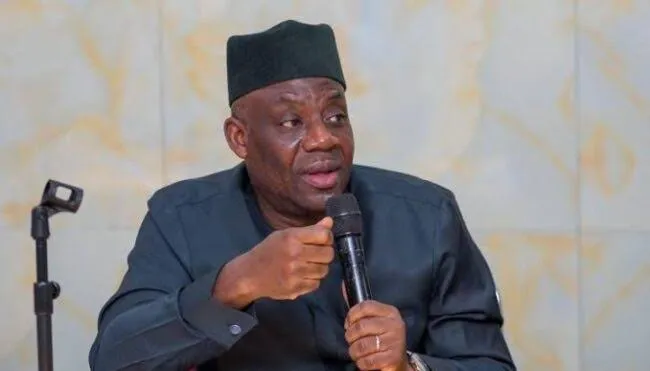
Table of Contents
Breakdown of the BEA Budget and What It Covers
The N1.764 billion set aside in the 2026 budget is specifically targeted to support 300 new scholars under the BEA programme. This funding is meant to cover essential items such as allowances, health insurance, travel expenses, and other core needs for students who secure these awards.
Aside from fresh scholarships, the budget also includes provisions for ongoing BEA-related costs:
- N105 million for the verification of BEA-affiliated institutions across 12 foreign countries by officials from the Federal Ministry of Education.
- N5.6 billion is earmarked for servicing existing BEA students already abroad. This covers supplementation allowances as well as medical, insurance, warm clothing, and postgraduate stipends.
Countries where Nigerian students are currently studying under BEA arrangements include Russia, China, Cuba, Romania, Turkey, Tunisia, Algeria, Morocco, Serbia, Hungary, Ukraine, Mexico, Venezuela, and Kazakhstan.
The total education ministry budget for 2026 stands at over N2.39 trillion, highlighting the government’s broader financial commitments to the education sector.
Context and Controversy
The allocation for new BEA scholarships comes after a surprising government stance in April 2025, when the Federal Government moved to discontinue the BEA scholarship scheme. Officials described the programme as an inefficient utilisation of public funds, arguing that many of the courses students pursue abroad are already available within Nigerian universities.
At the time, the Minister of Education, Dr Tunji Alausa, cited concerns about the high costs and delays in stipend payments to BEA scholars. Some students experienced long gaps and reductions in their monthly stipends, with disbursements halted completely for months in late 2023 and much of 2024.
Part of the government’s rationale for discontinuation was to redirect resources to domestic scholarship schemes, where larger numbers of students could benefit. This included scholarship award programmes and education bursaries aimed at undergraduates and postgraduate students within Nigerian institutions.
At the time, the policy shift won some praise from education commentators who argued that it would strengthen local institutions and improve equity in scholarship distribution. Others, particularly BEA beneficiaries abroad, voiced concerns about financial hardship, including delays in stipends, homelessness, and lack of medical support during their studies.
In response to those concerns, the Minister of Education clarified that all students enrolled under the federal scholarship before 2024 received their payments up to the 2024 budget year. No new bilateral scholarship awards were issued after October 2025, according to official statements.
The inclusion of fresh funding for 300 BEA scholars in the 2026 budget marks an unusual and somewhat contradictory policy reversal from the government’s earlier announcement. Many education experts and student representatives are now calling for clarity on how these funds will be administered and how future scholarship planning will be structured.
Implications for Students and the Education Sector
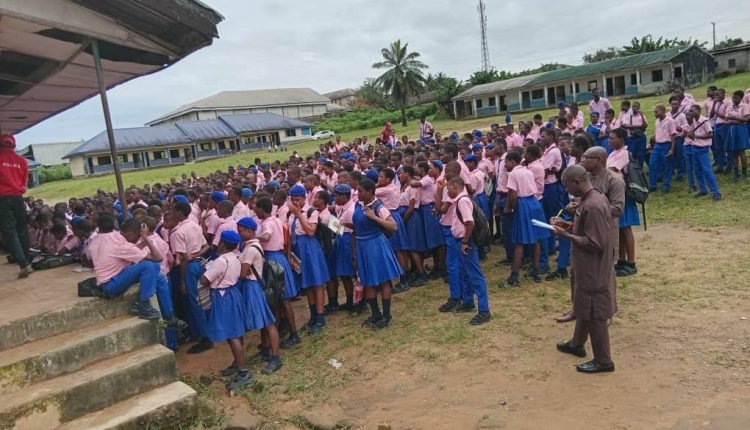
For students hoping to benefit from government-funded scholarships, this budget decision presents both an opportunity and a puzzle. On one hand, the allocation could mean renewed chances to access foreign scholarships under the BEA framework. On the other, it raises questions about the government’s commitment to strengthening local scholarship programmes in line with past policy directions.
Education policy analysts point out that such shifts should be accompanied by clear implementation plans so that students know what to expect and resources are deployed transparently. They argue that scholarship funding should be aligned with broader national goals, such as improving the quality of local universities, fostering research, and supporting high-demand fields like medicine, engineering, and technology.
Already, the Federal Government has undertaken reforms to increase scholarship awards within the national scholarship programmes. In 2025, authorities announced a 50 percent increase in annual scholarship grants for PhD, Master’s, and undergraduate students, aiming to boost access to higher education and reduce financial burden on beneficiaries.
These reforms also included the introduction of new scholarship categories targeting students in STEM, vocational, and medical fields, with dedicated funds to support progress in priority areas of national development.
As debates continue around the BEA scheme, many stakeholders are urging the government to ensure stronger oversight, prompt payment of allowances, and transparent selection processes for all scholarship programmes. They stress that Nigeria’s education budget should balance international exposure with domestic capacity building so that students can benefit from quality education both at home and abroad.
The Road Ahead
With the 2026 budget now signed into law, the Ministry of Education and related agencies face the task of implementing these allocations in a way that supports students effectively. Whether the fresh BEA scholarships will be rolled out as intended, or undergo further revision based on broader policy goals, remains a subject of public interest and scrutiny.
For now, Nigerian students and their families are watching closely, hopeful that the funds set aside will translate into meaningful educational opportunities that help shape stronger futures for the nation’s youth.
Join Our Social Media Channels:
WhatsApp: NaijaEyes
Facebook: NaijaEyes
Twitter: NaijaEyes
Instagram: NaijaEyes
TikTok: NaijaEyes
READ THE LATEST EDUCATION NEWS