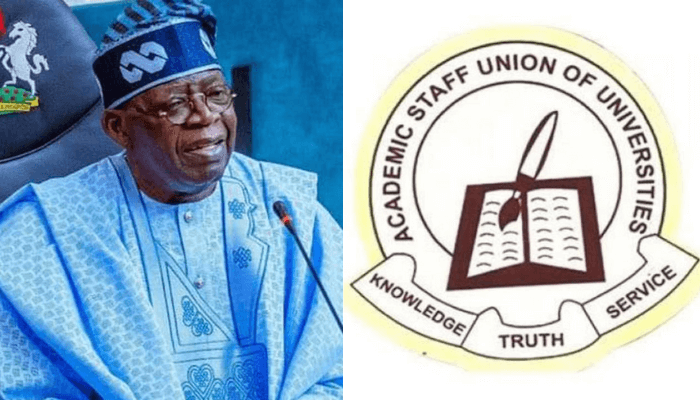
In a move that could alter the trajectory of Nigeria’s higher education sector, the Federal Government (FG) yesterday unveiled a 25-member committee charged with designing the “Nigerian Education Data Initiative.” Simultaneously, the government emphasised that it has yet to enter into a binding agreement with the Academic Staff Union of Universities (ASUU), stressing its determination to craft legally sound and sustainable solutions. This bold move comes as tensions simmer nationwide amid ASUU’s protests, raising hopes the standoff may soon be resolved.
Table of Contents
Bridging the Information Gap: The Birth of the Education Data Initiative
At a Thursday press briefing in Abuja, Education Minister Dr Tunji Alausa proudly announced the inauguration of the new 25-member committee. Its mandate: to architect the Nigerian Education Data Initiative, a groundbreaking platform intended to centralise, harmonise, and make accessible key data across tertiary institutions in the country.
In his address, Dr Alausa framed the move as part of the administration’s broader aim to fortify the education system through data-driven policymaking. He underscored this as a critical complement to ongoing efforts to resolve the lingering ASUU dispute—the two efforts moving in parallel, yet deeply interconnected.
“Drafts, Not Deals”: FG Denies Formal Agreement with ASUU
Amid public confusion, Dr Alausa categorically denied that any formal agreement has been signed with ASUU. He clarified that what has circulated in the media are merely draft proposals, not legally enforceable contracts.
He went further, stating the government’s new approach: “The Tinubu administration is committed to sustainable, constitutional solutions. We will no longer enter into bogus or unsustainable agreements but will adopt measures that keep universities open and learning uninterrupted.”
Inside the Negotiation Room: High-Level Review and Technical Refinement
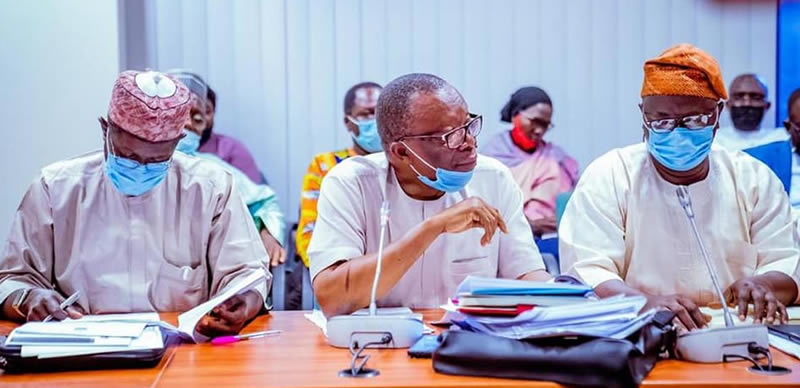
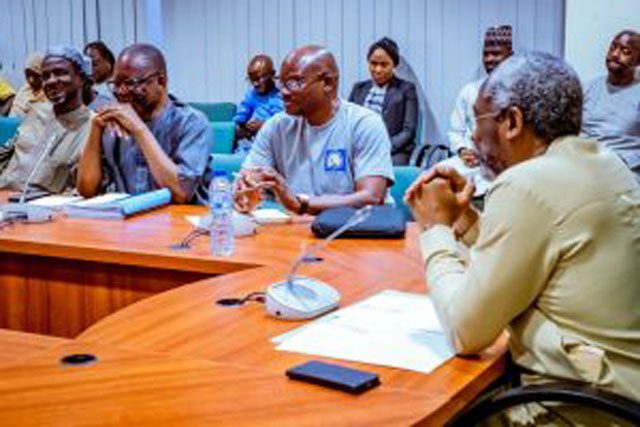
Details emerged that on Wednesday, 28 August 2025, a high-level meeting took place in the nation’s capital. Chaired by Dr Alausa himself, the session included participants such as the Minister of Labour and Productivity, the Minister of State for Education, the Solicitor-General of the Federation, Permanent Secretaries from Education, Labour, and Justice ministries, plus heads of pivotal agencies like the National Universities Commission, Salaries and Wages Commission, and the Budget Office.
The purpose was to comb through ASUU’s submissions meticulously. A seven-member technical team, led by the Permanent Secretary of the Ministry of Education, was set up to refine these proposals into what Dr Alausa described as a “clean report.” This revised document is to be forwarded to the Yayale Ahmed-led renegotiation committee for formal presentation to ASUU.
Dr Alausa emphasised that from now on, future agreements would be practical, legally sound, and fully compliant with constitutional frameworks—with oversight from the Ministry of Justice to ensure they are not hollow promises.
ASUU’s Stance and Stakes: Will History Repeat Itself?
Despite the government’s efforts, ASUU’s leadership responded with caution. Their zonal coordinator in Lagos, Prof Adesola Nassir, was quick to reject the notion that the union had submitted any proposal—declaring that it is misleading to attribute the government’s draft to the union.
Historically, the 2009 agreement has been the cornerstone of ASUU’s demands—promising sustained university funding, autonomy, and improved professors’ welfare. Yet successive administrations have failed to implement it fully, leading to repeated strikes over the years. Indeed, analysts argue that cumulative strikes since 1999 have cost Nigeria nearly five lost academic years.
ASUU has consistently maintained that it has tried dialogue and written many letters seeking resolution, only to be met with delays and inertia. Some union chapters have warned that if meaningful progress isn’t made soon, another strike could be inevitable—disrupting academic calendars and tarnishing student futures.
A New Path for Nigeria’s Universities?
This twin announcement of launching the Education Data Initiative and recalibrating negotiation strategies signals a novel path forward. If implemented effectively, the data initiative could bring transparency and clarity to educational planning. Simultaneously, the government’s insistence on legally binding, actionable agreements represents a break from the past.
However, the success of these measures hinges on genuine political will, adequate funding, and effective follow-through. Can this newly minted technical committee produce an offer ASUU finds acceptable? Will ASUU engage in good faith, or will distrust reignite? The country watches, hopeful that this time the cycle of draft-then-frustration will give way to lasting resolution.
Let’s keep our fingers crossed.
Join Our Social Media Channels:
WhatsApp: NaijaEyes
Facebook: NaijaEyes
Twitter: NaijaEyes
Instagram: NaijaEyes
TikTok: NaijaEyes
READ THE LATEST EDUCATION NEWS