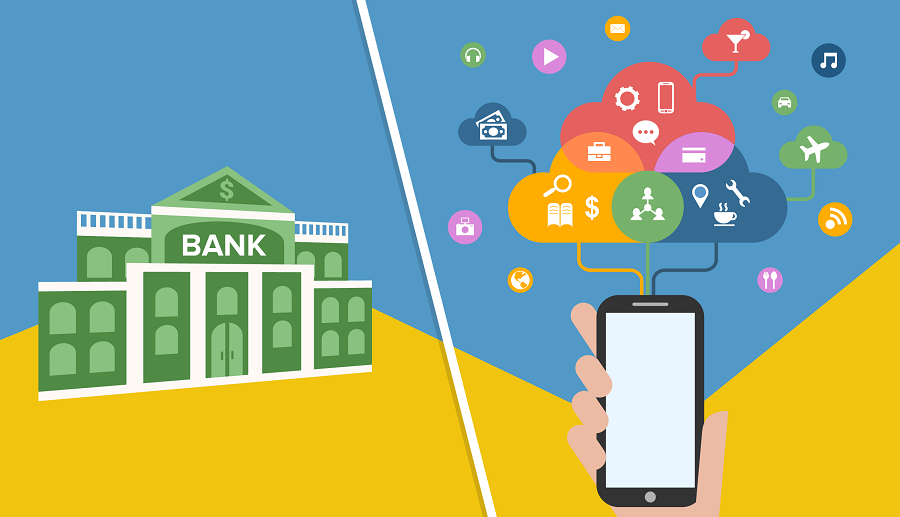
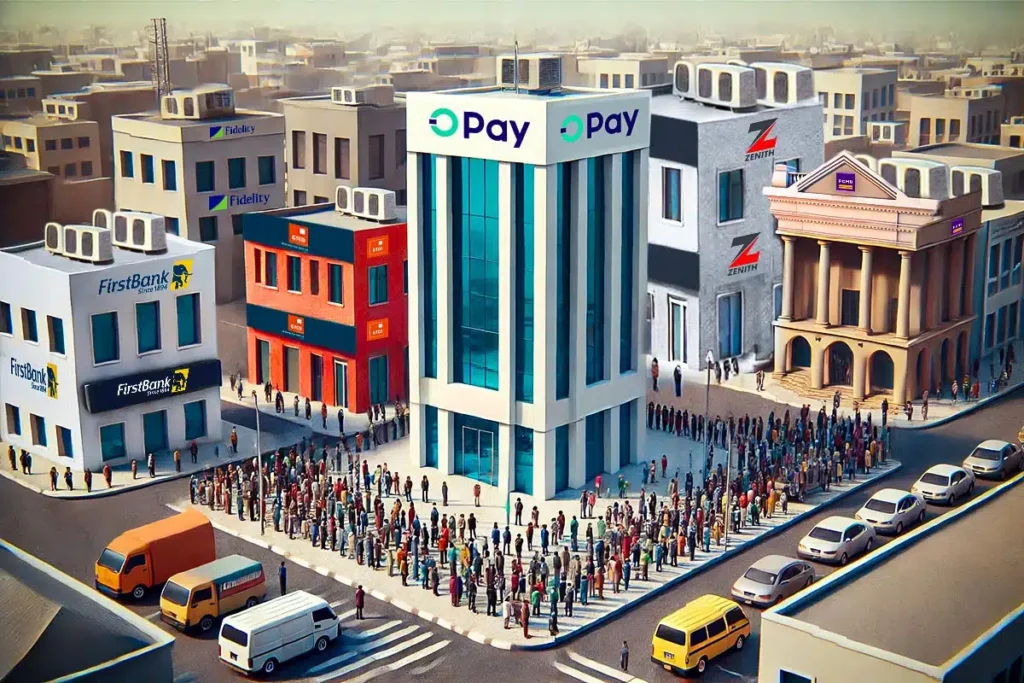
Nigeria’s financial services landscape is witnessing a bold transformation as fintech companies redefine what customers expect from banking services across the country. New data and industry trends show that fintech platforms are outpacing traditional banks in delivering seamless, user-centred digital experiences that resonate strongly with everyday Nigerians and businesses. The era of long queues, slow processing times and rigid banking processes is fading as agile digital players rise, forcing traditional banks to reassess and reinvent their strategies to retain customer loyalty and relevance.
Table of Contents
Fintechs Win on Speed, Simplicity and Satisfaction
In the latest KPMG West Africa Banking Industry Customer Experience Survey, fintech firms consistently earned the highest scores for customer experience, outperforming conventional banks across major performance indicators. Mobile-first digital services such as Opay, PiggyVest and others ranked near the top, earning praise from customers for fast transfers, intuitive interfaces, and simple onboarding processes.
These scores are not just numbers on a chart. They reflect how millions of Nigerians now interact with money in their daily lives. For many, the experience of tapping a few buttons on a smartphone to pay bills, send money instantly to family and friends, or manage savings without visiting a bank branch has become the new normal. This shift gained momentum during the naira redesign crisis, when cash shortages exposed the limitations of branch-centric banking and drove users online.
What sets fintechs apart is their relentless focus on reducing customer effort and delivering what users want most: efficiency, clarity and control. Fintech apps typically deploy cutting-edge technology, including automated compliance checks, real-time transaction processing and user experience design tailored for ease of use. By contrast, established banks are often still dependent on legacy systems that slow down digital services and frustrate customers who now expect near-instant outcomes.
Anecdotes from everyday users across social and public forums echo these findings. Frequent complaints about bank app downtimes, sluggish transfer settlements and cumbersome interfaces underscore why many Nigerians favour fintech platforms for routine financial tasks. Traditional bank apps, even when improved in recent years, are often perceived as slower and less intuitive, pushing customers to adopt digital alternatives.

The Real Drivers Behind the Fintech Surge
There is a clear reason fintech platforms have gained such traction. Convenience and access sit at the top of the list for most users. Whether in Lagos, Abuja, Kano or Port Harcourt, the ability to carry out financial actions on a phone without visiting a physical location or enduring lengthy processes translates into real-world value for customers. This advantage has proved decisive in driving adoption across demographic groups, especially among youths and mass-market users who prioritise flexibility.
Another compelling factor is how fintechs handle everyday pain points around money movement. Some platforms show “transaction successful” confirmations while backend processes are still settling in, giving users confidence and a perception of speed that traditional banks struggle to match. This user experience edge is subtle but powerful, nudging customer expectations higher every day.
In parallel, trends like AI-driven personalisation, contactless payments and real-time fraud detection are becoming central features of fintech products in Nigeria. These technologies not only elevate security and offer tailored financial insights, but also widen access for people whose needs were underserved by conventional banking systems. This innovation wave is driving a new generation of digital financial inclusion.
Small and medium-sized enterprises (SMEs) are also shifting to fintech solutions for core financial services. Around half of Nigerian SMEs now rely on fintech platforms for business banking functions, including payments, payroll, credit and cashflow management. This segment forms the backbone of the economy, and its growing confidence in digital financial tools further underscores the commercial urgency for banks to catch up.
Traditional Banks at a Crossroads
The rise of fintech does not mean traditional banks have lost their value entirely. Many still hold deep reservoirs of trust, regulatory compliance and financial infrastructure strength. Older customers, corporate clients and depositors with significant funds often still gravitate to established banks for perceived safety, larger credit facilities and comprehensive financial services. Trust remains a critical dimension where incumbent banks have an edge, even as fintech trust levels grow among younger and lower-income customers.
However, the experience gap is undeniable. In customer surveys and independent studies, banks have been weak in areas like resolution and rapid problem solving, where fintech platforms often respond quickly to issues and provide frictionless customer support. Where banks once dominated the market through physical branches and reputational strength, they now face relentless pressure to modernise legacy systems and reinvent digital experiences.
There are signals that some banks are listening and adapting. Collaborations between banks and fintech firms, such as partnerships that bring together banks’ regulatory depth with fintechs’ agility, are becoming more common. These hybrid strategies aim to blend stability with innovation, delivering better products to customers without compromising security.
What This Means for Nigerian Consumers and the Future of Banking
For consumers, the fintech revolution has already delivered tangible benefits. From digital wallets that cut transaction costs to mobile savings and investment tools that outperform traditional bank interest rates, Nigerians have more choices and convenience than ever before. This has broader implications for financial inclusion, economic participation and the country’s digital economy ambition.
Banks that fail to respond risk losing further ground as customers increasingly demand personalised, responsive and digital-first experiences. Pressure from fintechs, evolving customer expectations and emerging technologies such as artificial intelligence will continue to shape the financial sector’s competitive dynamics in the years ahead.
In this rapidly changing landscape, one truth stands out: customer experience is now the battleground for financial institutions in Nigeria. Those that deliver speed, transparency, reliability and intuitive digital services will win the loyalty of a generation that views banking not as a place to visit, but as a service embedded in everyday life.
Join Our Social Media Channels:
WhatsApp: NaijaEyes
Facebook: NaijaEyes
Twitter: NaijaEyes
Instagram: NaijaEyes
TikTok: NaijaEyes