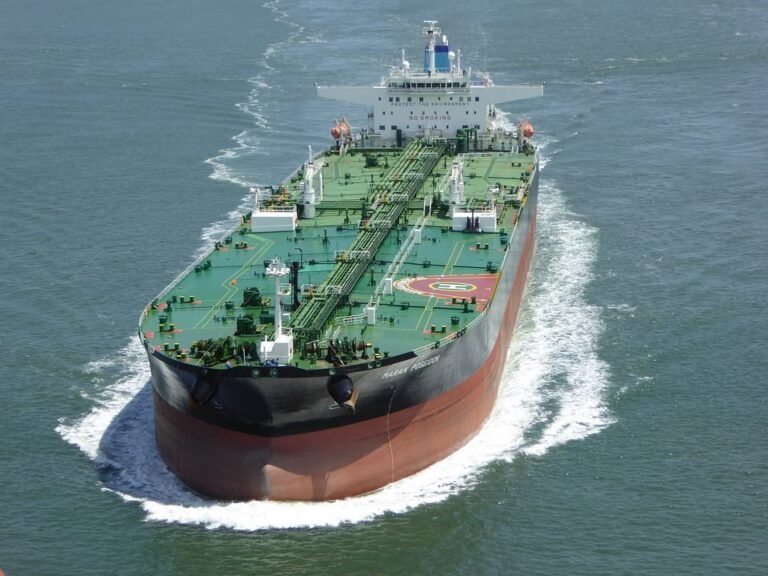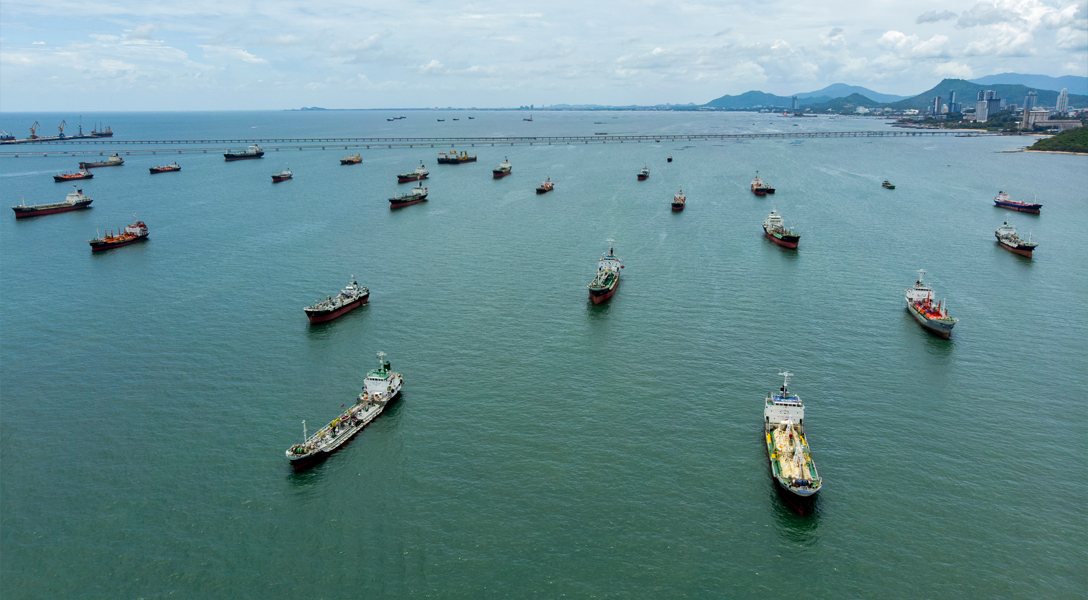

Maritime trackers received fresh reports of an attack on a ship in the Strait of Hormuz on Sunday after Saudi Arabia temporarily shut down a key oil pipeline, raising concerns about Iran-related threats to global oil supplies.
The UK Maritime Trade Operations (UKMTO), an organisation linked to the British navy, said a projectile struck a ship while it was passing through the Strait of Hormuz. As of early Sunday, the agency said it had yet to determine the extent of the damage or the condition of the crew.
The UKMTO report came a day after Saudi Arabia announced the temporary closure of its East-West pipeline as a precaution following a drone strike. Baghdad and Riyadh both said the drone originated from Iraq, where Iran-backed militias operate.
Following a week in which Brent crude surged past $100 per barrel, escalating attacks in the expanding Middle East conflict threaten to propel energy prices higher.
Throughout the past six months, while conflict has largely shut down the Strait of Hormuz, the 1,200-kilometer (745-mile) East-West pipeline across the Arabian Peninsula has served as the primary transit corridor for global oil supplies and exports of Middle Eastern oil.
Saudi Arabia has avoided the worst of the disruption that has hit other Gulf oil and gas exporters because it has continued to transport between 4 million and 5 million barrels of oil per day through the pipeline, equivalent to about 4% to 5% of global supply.
No party immediately claimed responsibility for the pipeline strikes, though satellite imagery revealed black smoke rising from a segment south of Medina.
The Saudi Foreign Ministry reported that the attack resulted in casualties and ongoing damage assessments, without detailing potential impacts on crude exports.
During a trip to Ireland for a golf tournament at his resort, President Trump indicated that Iran was likely responsible.
Backstory…
The incident follows a major escalation earlier this week when Iran said it attacked 10 vessels near Hormuz, including oil tankers, after the United States destroyed five Iranian oil tankers.
Washington said its strikes followed Iranian attacks on US military vessels. The tit-for-tat attacks have made shipping companies increasingly reluctant to send tankers through the waterway.
There is now a second pressure point in the region. Iran-backed Houthi forces have advanced in Yemen and threatened the Bab el-Mandeb Strait, another important route for oil and commercial shipping between the Red Sea and Gulf of Aden.
Read Also: Oil Prices Hit $100 as US-Iran War Threatens Global Crude Supply