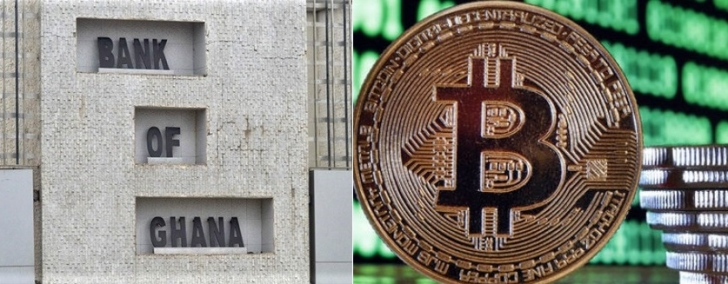
Accra, Ghana’s parliament has taken a bold step that will reshape the nation’s financial terrain by passing a new law that legalises the widespread use of cryptocurrency and virtual assets. The move underscores the government’s intent to bring a fast‑expanding digital economy into the formal financial system and create a clean legal environment for digital assets and the companies that support them.
This historic development brings an end to a prolonged period of uncertainty for investors, entrepreneurs, consumers and regulators alike. Until now, cryptocurrency transactions in Ghana operated in a legal grey zone, with the central bank regularly warning of associated risks but without comprehensive legislation to govern activities. The passage of the Virtual Asset Service Providers Bill, 2025, marks a turning point in how digital assets are treated under Ghanaian law.
Public reaction to the announcement has been significant. Cryptocurrency users and financial technology enthusiasts have welcomed the clarity the law brings, while regulators and policymakers emphasise that the new legal framework is not a free‑for‑all but a structured effort to protect the financial system and consumers.
In this expanded report, we explain what the new legislation means, how it will affect the digital economy, the roles of key institutions like the Bank of Ghana, and what challenges lie ahead for implementation and enforcement.
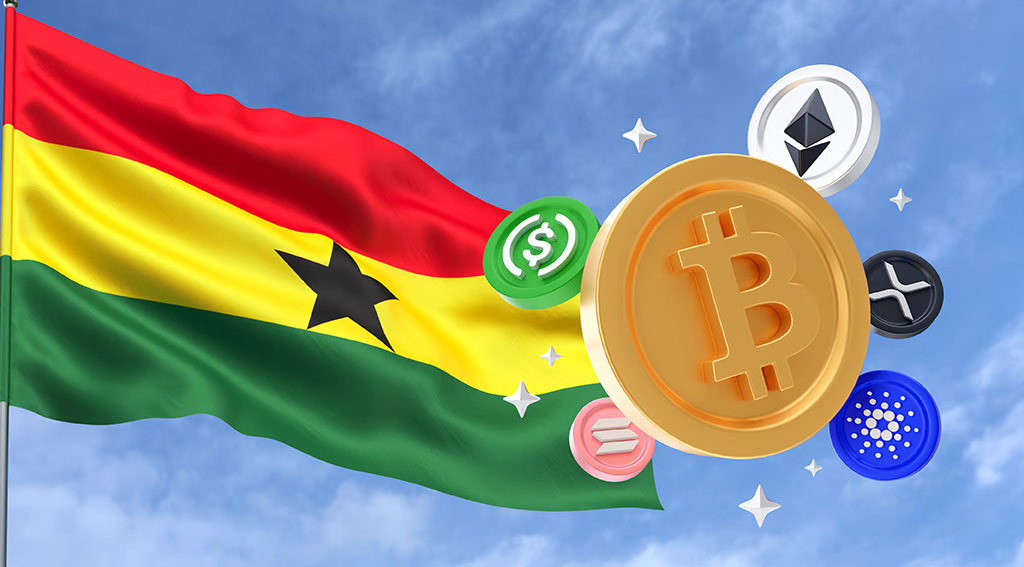
Table of Contents
The New Legal Framework for Digital Assets
Under the new law, virtual currencies, including Bitcoin and other decentralised digital assets, are now recognised within a detailed regulatory framework. Critics of the previous approach have long argued that the absence of clear rules made Ghana a less attractive destination for responsible investment in the digital economy.
The Virtual Asset Service Providers Act, as it has come to be known, creates legal recognition for cryptocurrencies and virtual asset activities and places them under formal oversight. This includes requirements for licensing, supervision and compliance with established rules on consumer protection, anti‑money‑laundering and counter‑terrorism financing.
At the heart of the legislation is a shift in responsibility to the Bank of Ghana, which now has expanded powers to oversee the digital asset sector. The law mandates that companies offering crypto trading, custody, wallet services, exchange platforms and related functionalities must be licensed and monitored. This brings digital asset businesses much closer to the regulatory expectations applied to traditional banks and financial institutions.
Bank of Ghana Governor Dr Johnson Pandit Asiama has been clear in his public remarks that the legalisation of cryptocurrency trading does not equate to an absence of control. At a public event in Accra, he emphasised that the central bank’s enhanced oversight is intended to manage risks associated with unregulated digital assets and protect consumers in the rapidly developing market.
One important aspect of the law is that it recognises cryptocurrency trading as legal. Individuals engaged in such activities will not be arrested simply for buying, selling or holding digital assets. This provision was widely welcomed because it removes the fear and uncertainty that previously surrounded everyday crypto participation.
Drivers of the Reform and Market Realities
Ghana’s policymakers were compelled to act because of sustained growth in crypto usage and the associated risks of leaving such activity unregulated. Estimates suggest that at least three million adult Ghanaians are currently involved in cryptocurrency trading or ownership, a figure that speaks to the popularity of these assets among the tech‑savvy and entrepreneurial segments of the population.
Cryptocurrency’s appeal in Ghana has been driven by several factors. Persistent inflationary pressures have eroded confidence in local currencies, prompting some to seek value preservation in digital assets. Additionally, cross‑border remittances and payments have increasingly moved to blockchain‑based systems as people seek faster and cheaper alternatives to traditional channels.
Before the law, Ghana’s approach to crypto looked tentative. Earlier draft guidelines were circulated by the Bank of Ghana in 2024 to start a conversation about how digital assets might be regulated, but the absence of legal backing meant these guidelines carried limited force. The new legislation closes that gap by providing a statutory basis for oversight.
Economists and financial analysts have welcomed the law as a pragmatic response to market realities. Many believe that bringing crypto into the formal economy can help improve investor confidence, attract foreign investment and encourage local startups to innovate in an environment where rules are clear and enforceable. It also signals Ghana’s willingness to compete with other African nations that are rapidly moving to establish robust digital finance frameworks.

What the Law Means for Consumers and Businesses
For everyday Ghanaians, the new legal framework introduces protections that were previously missing. Reports of fraud, platform collapses and scams have been common in an unregulated market. With the law in effect, consumers will have recourse to formal protections and expectations that platforms will adhere to minimum standards of operation.
Under the regulatory framework, companies wishing to operate in Ghana’s crypto sector must apply for licences from the Bank of Ghana. They will need to satisfy certain capital, governance and compliance requirements that reflect their particular business model and the services they provide.
The law also aligns Ghana’s crypto oversight with international norms, including recognised standards for anti‑money‑laundering and terrorist financing safeguards. This alignment is crucial for ensuring that Ghana’s virtual asset market can integrate with global financial systems and attract institutional participation.
For fintech startups and digital entrepreneurs, the law is a welcome development. Under the previous regulatory uncertainty, businesses found it difficult to plan long‑term or attract institutional capital because investors were wary of the legal risks. The new law removes much of that ambiguity and opens the door for partnerships, innovation and growth.
Another important area of evolution is tax compliance. Ghana is introducing frameworks to ensure gains from digital asset trading are properly tracked and tax liabilities are met, integrating cryptocurrency activity into the nation’s broader tax system. This shift reflects the recognition that digital asset profits represent legitimate economic activity that can contribute to public revenue.
Implementation Challenges and Next Steps
Despite the law’s passage, the real test now lies in implementation. Drafting detailed regulations, setting licensing criteria, building institutional capacity and training personnel are all essential next steps. The Bank of Ghana has indicated it will roll out these regulations in phases to allow existing operators to transition into the new system without disruption.
The newly formed Virtual Assets Regulatory Office within the Bank of Ghana is expected to lead the coordination of oversight, enforcement, and compliance across the sector. This specialised unit will work with other key agencies, including the Securities and Exchange Commission, the Financial Intelligence Centre and the Ghana Revenue Authority, to ensure comprehensive supervision of virtual asset activities.
Market participants will be watching closely how quickly licences are issued and whether the process is transparent, efficient and fair. There are concerns that overly burdensome requirements could stifle innovation, while lax standards could fail to protect consumers. Balancing these competing priorities will be key to the law’s success.
There are also broader questions about financial education. For many users, cryptocurrency remains complex and difficult to navigate safely without good information. To address this, authorities are planning initiatives aimed at improving public understanding of virtual assets, including how to manage risks and avoid scams.
A New Chapter for Ghana’s Financial Sector
The passage of the cryptocurrency law marks a watershed moment for Ghana’s financial sector. Policymakers have moved from caution and warnings to formal acceptance and regulation. This policy shift recognises that digital assets are no longer fringe phenomena but a significant part of Ghana’s economic life.
As implementation begins, Ghana will join a growing list of African countries that are seeking to harness the benefits of digital finance while protecting consumers and national financial systems. The success of this law will depend not just on the quality of regulations but on effective enforcement and sustained engagement with stakeholders across the public and private sectors.
For Ghanaian businesses and crypto users, the future now holds more certainty and opportunity. What was once an informal and uncertain space has been brought into the daylight with legal clarity and regulatory oversight. The world will be watching how Ghana uses this framework to foster innovation, attract investment and ensure that digital assets contribute to economic growth in a responsible and inclusive way.
Join Our Social Media Channels:
WhatsApp: NaijaEyes
Facebook: NaijaEyes
Twitter: NaijaEyes
Instagram: NaijaEyes
TikTok: NaijaEyes