n the bustling Indian capital of New Delhi this week, the world’s attention turned to artificial intelligence with the gathering of global heads of state and leading technology executives. What began as an event to explore the future of intelligent machines has become a defining moment in how countries want to shape artificial intelligence in society and business alike. The India AI Impact Summit 2026 has been one of the most talked about events in tech circles this year, drawing leaders from governments, international organisations and major companies to set out a vision for the next decade of innovation.
The Summit is being hosted by India from February 16 to 20 at Bharat Mandapam, a multi-purpose venue in the heart of the city. It is the first of its kind held in the Global South and reflects India’s rapid rise as a major player in digital technology. Delegates, observers and industry experts have been sharing their views on everything from inclusive access to artificial intelligence to responsible safeguards and what global cooperation should look like.
The discussions have been far-reaching. Some speakers focused on opportunities for millions of people in developing markets, while others addressed risks and the need for regulation. This article brings together the most significant statements from world leaders and tech chiefs, and explains what they mean for the future of AI in the world.
Table of Contents
India’s Vision for AI and Inclusion
Prime Minister Narendra Modi of India set the tone for the Summit’s opening when he spoke passionately about what artificial intelligence must represent for humanity. His message was clear that AI should benefit everyone and not just a few elite groups, and that it must be inclusive, transparent and grounded in human values. Mr Modi told delegates that technology must serve as a “shared resource for the benefit of all humanity”. He urged the gathering to “create an AI future that advances innovation, strengthens inclusion and moves forward by incorporating human values”.
The call for AI for inclusion was echoed by United Nations Secretary General António Guterres, who warned that artificial intelligence cannot be left to the “whims of a few billionaires”. Leaders at the Summit emphasised that AI should be a tool for empowerment and opportunity, especially in countries where access to education, health and economic advancement remains limited.
Modi also spoke about how AI will bring people and intelligent machines together in a collaborative future. In his address he noted that humans and AI systems will “co-create, co-work and co-evolve”. This phrase speaks to a future in which technology augments human capability rather than replacing people entirely. Modi’s remarks underline the fact that countries in the Global South want to shape the AI conversation so that the technology works for them and not against them.
What World Leaders Are Saying About AI Governance
Among the most closely watched speeches at the Summit was that of French President Emmanuel Macron. President Macron highlighted India’s digital achievements and said the country has built infrastructure that no other nation has achieved. He mentioned India’s digital identity system that covers over one billion people, a payments network handling billions of transactions monthly and a digital health platform that has issued hundreds of millions of health IDs. This, he said, gives India a unique position to lead in digital transformation and innovation.
President Macron also spoke about the need to balance innovation with responsibility. His message was that technology must not only be powerful but also safe. He stressed that AI should not be controlled by a handful of companies or governments but must be governed in a way that protects citizens and serves the common good. In talking about children’s safety online, Macron explained that his government is already taking steps to restrict social media access for young people and is pushing for international cooperation to protect children from harm.
Macron’s speech was not just about praising India’s digital accomplishments but about setting a broader global framework for AI governance. He emphasised that nations must work together to guide the rules that govern artificial intelligence so that it remains a force for good and not a source of harm or exploitation.
Other national leaders also weighed in on the debate. Many reiterated the need for AI to be open, transparent and aligned with ethical principles. At a time when AI technologies are advancing faster than the laws that govern them, these statements reflect a growing recognition that global cooperation and clear frameworks are needed to ensure every country can benefit from AI’s potential.
Tech Industry Leaders on AI Potential and Risks
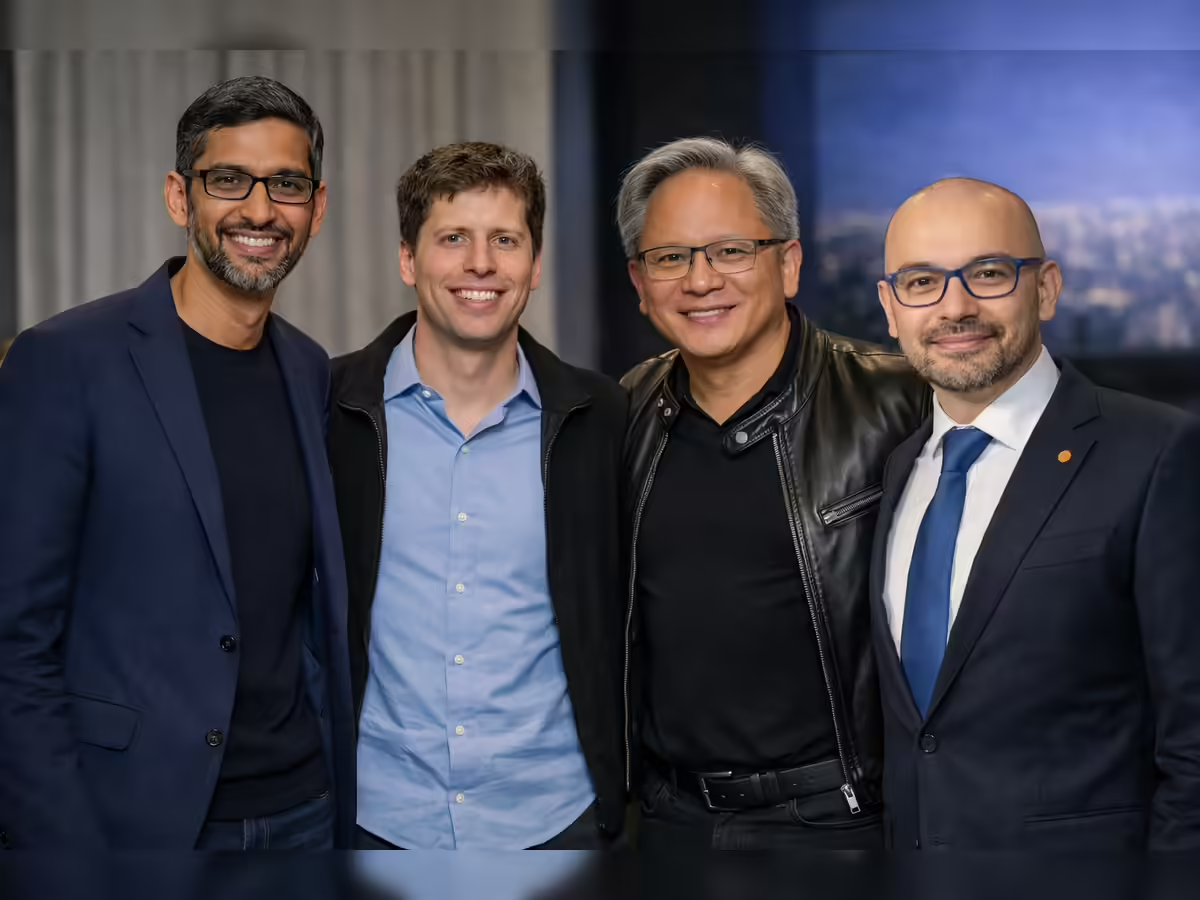
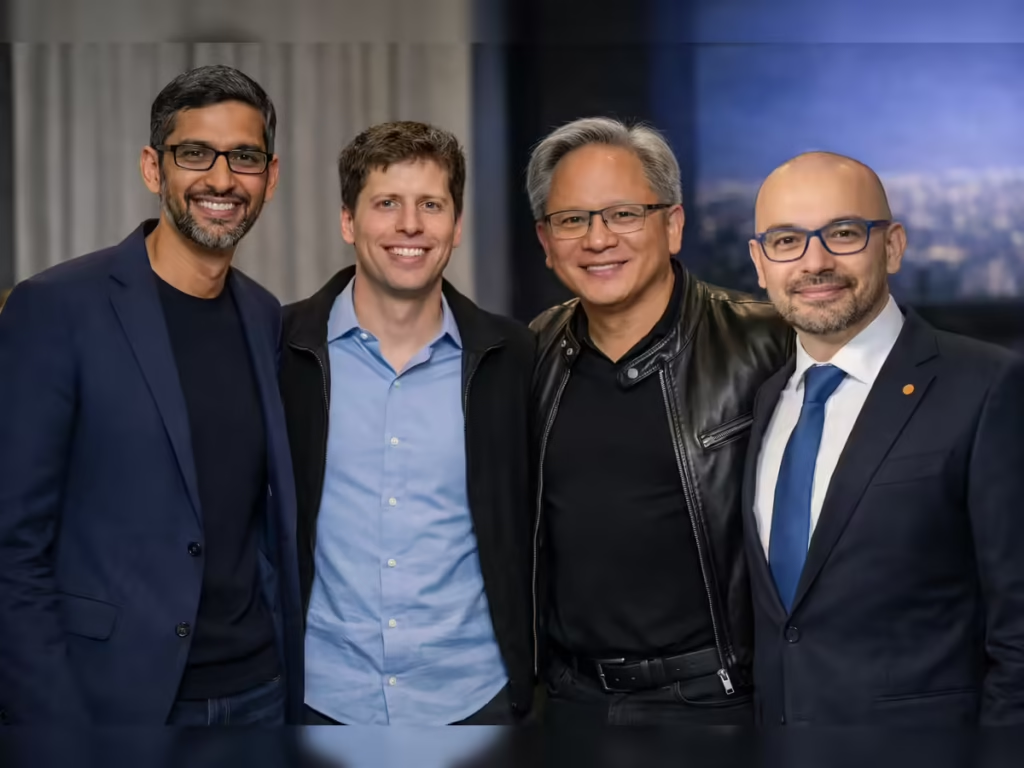
The Summit was not only about political leaders. Some of the most influential voices in technology, including the heads of the world’s leading AI companies, delivered key messages about how they see the future of artificial intelligence.
From the technology world, Sam Altman, CEO of OpenAI, drew significant attention when he spoke about India’s potential role in the global AI landscape. Altman said that India is “well-positioned” to lead the world in artificial intelligence thanks to the country’s large user base, growing tech community and high adoption of AI tools by millions of people. India has become one of the largest users of OpenAI’s services, with millions engaging with tools such as ChatGPT every week.
Altman also called for urgent regulation of AI. He noted that while the technology has the power to improve lives and expand opportunity, there must be safeguards in place. His message was that responsible governance and democratic access are essential to make sure AI benefits society as a whole without putting it at risk.
Another important voice was that of Dario Amodei, CEO of Anthropic. He reflected on the astonishing pace of AI advancement over the last decade and said that the world is now dealing with capabilities that were once purely the stuff of science fiction. He warned about the potential risks of machines that might outperform humans in many tasks, but also spoke about the enormous upside of AI in areas like disease treatment and economic upliftment. Amodei reinforced the idea that countries like India have a central role in both embracing the possibilities of AI and confronting its risks.
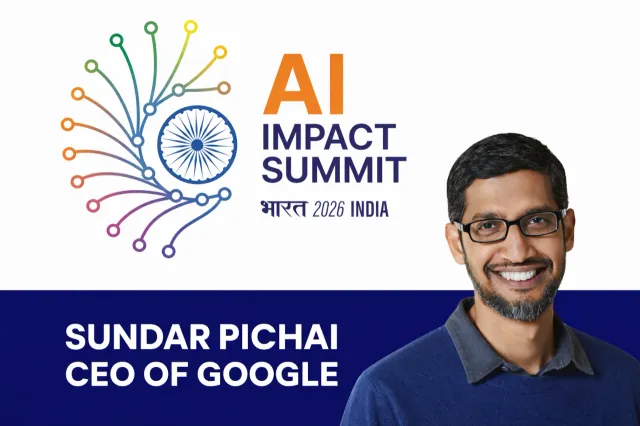
Big tech companies such as Google, Nvidia and others also made announcements at the Summit that underline how seriously they view India’s AI ecosystem. Investments in infrastructure, data centres and skills development were highlighted, along with partnerships aimed at driving innovation across sectors ranging from agriculture to cloud computing.
Balancing Promise and Practical Challenges
Despite high-level optimism about India’s growing role in the AI world, the Summit has not been without its practical challenges and controversies. There were reports of operational issues on the first day of the event, including overcrowding, long queues and restricted access to exhibition halls for some attendees. Organisers later issued an apology and promised improvements.
There has also been criticism about the organisation of the event, with observers noting that logistical issues and confusion detracted from what many hoped would be a seamless showcase of India’s technological ambitions. Furthermore, a last-minute withdrawal of Bill Gates from his keynote address raised eyebrows and added to the discussions around leadership and focus at the Summit.
Nevertheless, these practical challenges have not dimmed the broader momentum of the Summit. Indeed, the event has seen significant investment pledges from global companies and a renewed focus on partnerships that can build AI capacity across borders. India’s ambition to democratise AI and ensure its benefits reach all citizens remains at the heart of the Summit’s message.
What This Means for the Future
As the Summit continues, the statements from world leaders, company chiefs and civil society actors point to a future where artificial intelligence will play a central role in global development and cooperation. India’s leadership on the world stage shows how countries outside the traditional technology powerhouses are shaping the debate on how AI should evolve for the good of society.
The themes of inclusivity, ethical governance, responsible innovation and global cooperation that emerged in New Delhi offer a roadmap for how countries can work together to harness AI’s potential while managing its risks. The call for democratised access to technology, coupled with robust safeguards, reflects a world that wants to benefit from AI without losing sight of human values.
Whether these ambitions will translate into effective policy and sustained action remains to be seen, but the voices at the Summit have set an important foundation for a global conversation that will shape the years ahead.
Join Our Social Media Channels:
WhatsApp: NaijaEyes
Facebook: NaijaEyes
Twitter: NaijaEyes
Instagram: NaijaEyes
TikTok: NaijaEyes