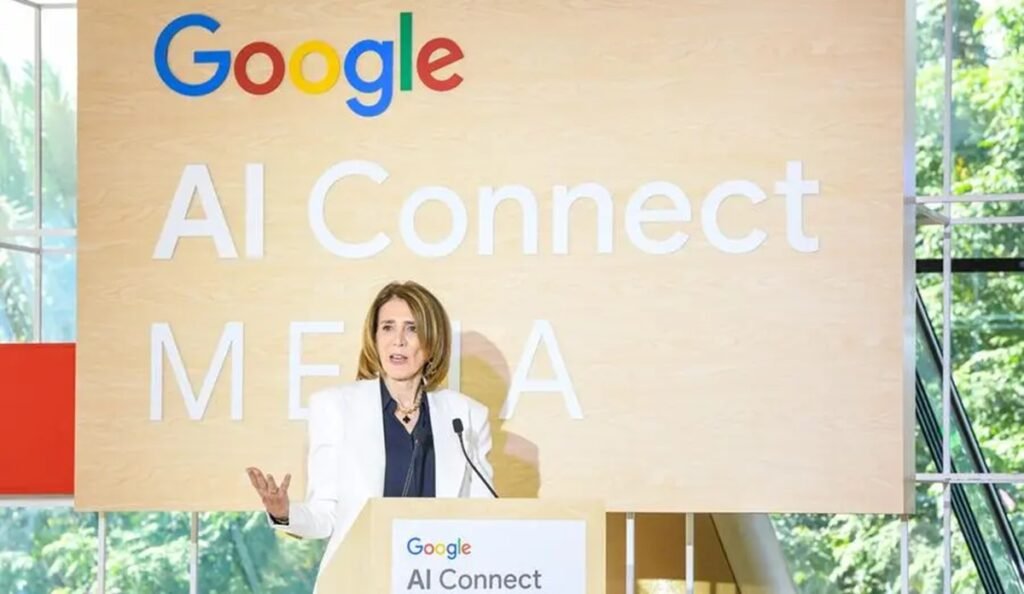
Today in London, education and technology leaders gathered at the Google AI for Learning Forum, a landmark event exploring the future of learning in an AI-driven world. In a bold move to reshape educational experiences globally, Google announced $30 million in new funding for transformative learning projects and shared new research examining the impact of artificial intelligence on learning outcomes.
The forum, held in collaboration with Google DeepMind, brought together academics, educators, students, and thought leaders. The aim was clear: spark meaningful discussions, forge partnerships, and explore how AI can support learners and educators while fostering innovation in the wider education ecosystem.
“AI is changing how we learn, and it’s crucial we ensure it forms a strong foundation for the future of education,” said Ben Gomes, Chief Technologist for Learning & Sustainability at Google.
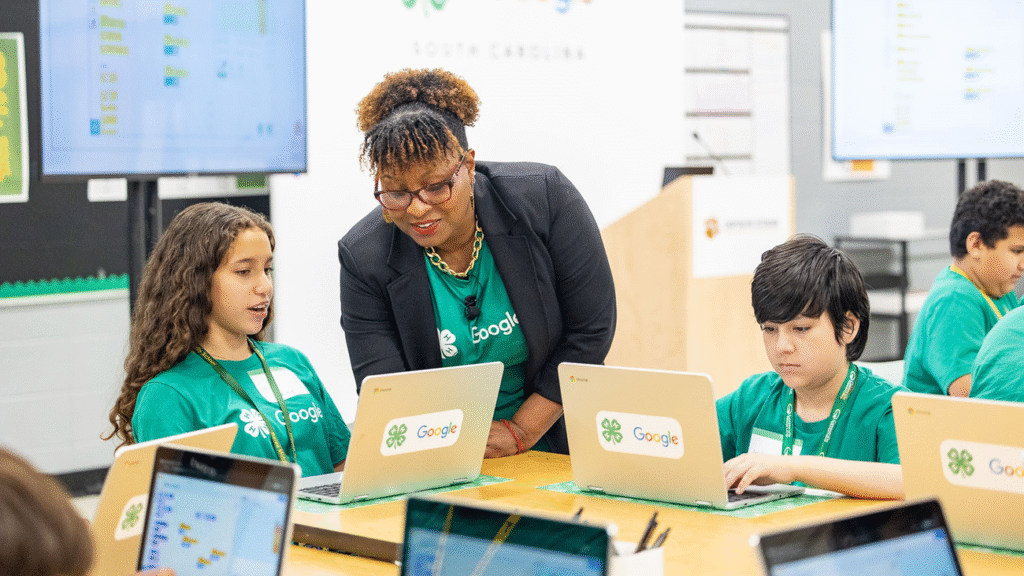
Building AI Tools That Truly Support Learners and Educators
Google’s approach to AI in education is grounded in learning science and guided by the needs of the teaching community. At the heart of this effort is Gemini, described as the world’s leading AI model for learning, now accessible to students, educators, and university faculty worldwide.
In a notable international collaboration, Google is partnering with the government of Estonia on the AI Leap initiative, a national programme designed to integrate AI responsibly across schools. Led by President Alar Karis, AI Leap will equip over 20,000 students and teachers with cutting-edge AI tools, including Gemini for Education, and provide training aimed at preparing learners for an AI-driven future. Joint research will also evaluate the effectiveness and potential challenges of deploying AI tools in classrooms.
Meanwhile, YouTube, one of the largest learning libraries globally, is launching a conversational AI tool in the UK. This innovation allows users to interact directly with videos—asking questions, receiving explanations, summarising key concepts, and even taking quizzes to test understanding—making learning more intuitive and engaging.
Measuring AI’s Impact Through Rigorous Research
While AI offers transformative potential, Google emphasises the importance of scientific validation. To understand how AI affects learning, Google conducted an exploratory randomised controlled trial (RCT) with 165 students aged 13 to 15 in the UK. Partnering with Eedi, the study tested LearnLM, a chat-based math tutoring AI infused into Gemini 2.5, under the supervision of experienced teachers.
The results were promising. LearnLM demonstrated a 0.1% factual error rate, and students who used AI-assisted tutoring were 5.5 percentage points more likely to solve new problems independently in subsequent sessions. This suggests that teachers supported by AI can slightly outperform those relying solely on traditional methods.
Google plans to expand these studies to the U.S., India, Sierra Leone, and beyond, further validating AI’s global impact on learning outcomes.
Funding and Partnerships to Expand Access to Learning
Supporting accessibility and innovation, Google.org is committing $30 million over the next three years to initiatives that enhance educational opportunities and AI literacy. The first round of funding targets organisations making AI and tech education universally accessible:
- Raspberry Pi Foundation will lead projects to teach coding effectively in the AI era.
- Fab AI will conduct international studies measuring AI’s impact on student learning outcomes.
- Playlab will develop scalable programs to improve AI literacy in K-12 schools, partnering with nonprofits to train teachers and implement AI programs.
In addition, Digital Promise, a global nonprofit, released a new guide titled A Framework for Powerful Learning with Emerging Technology. Backed by Google, this framework offers educators practical insights and resources for integrating AI and emerging technologies into classrooms. Insights were drawn from over 50 experts across education, research, and technology, ensuring guidance is both rigorous and actionable.

Google’s latest initiatives reflect a commitment not just to advancing AI, but to ensuring it serves as a force for equitable, effective, and engaging learning worldwide. With significant funding, global partnerships, and rigorous research underpinning these efforts, the company is positioning AI as a tool that complements teachers, empowers students, and prepares learners for the evolving demands of the 21st century.
Join Our Social Media Channels:
WhatsApp: NaijaEyes
Facebook: NaijaEyes
Twitter: NaijaEyes
Instagram: NaijaEyes
TikTok: NaijaEyes