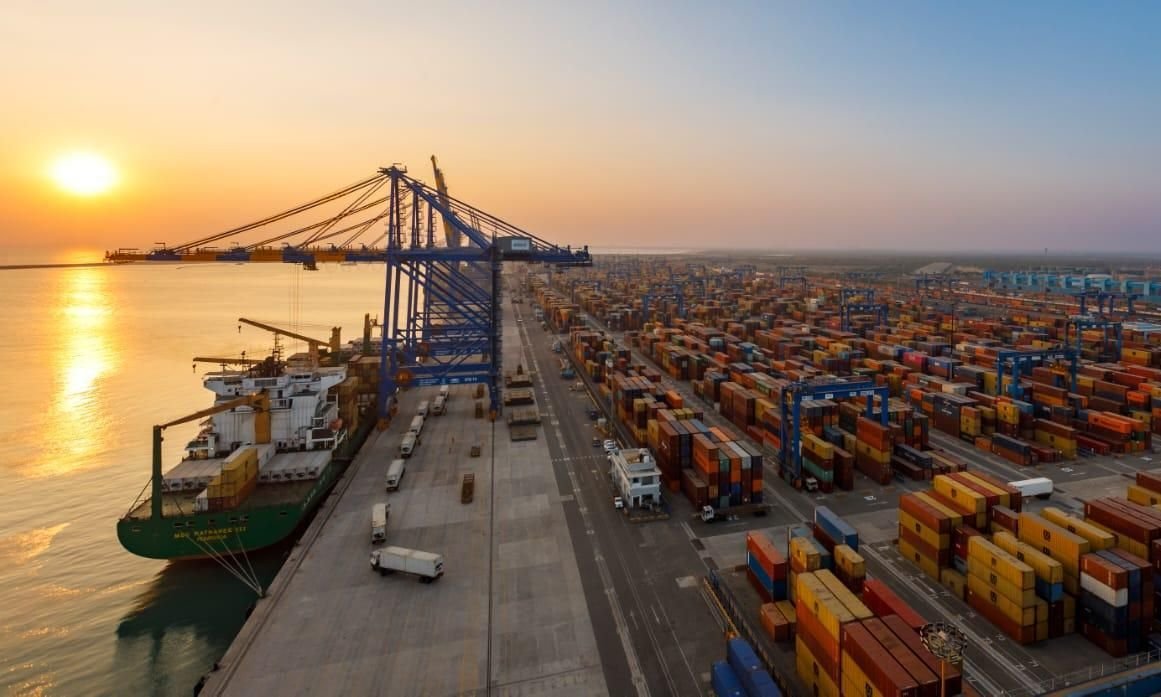

A sweeping Nigerian seaport modernization plan has received official approval, paving the way for major infrastructure upgrades across regional maritime corridors. Minister of Marine and Blue Economy Adegboyega Oyetola confirmed that the program covers four existing ports outside Lagos, alongside six newly designated deep seaport sites.
Also read Lekki Deep Seaport Becomes Nigeria’s Second Busiest Trade Port
Consequently, the project targets key facilities at Onne, Rivers, Delta, and Calabar. By expanding capacity beyond traditional Lagos hubs, officials aim to clear lingering cargo gridlocks, lower vessel wait times, and create predictable shipping routes for international trade.
Backstory: Decentralizing Maritime Trade and Blue Economy Reforms
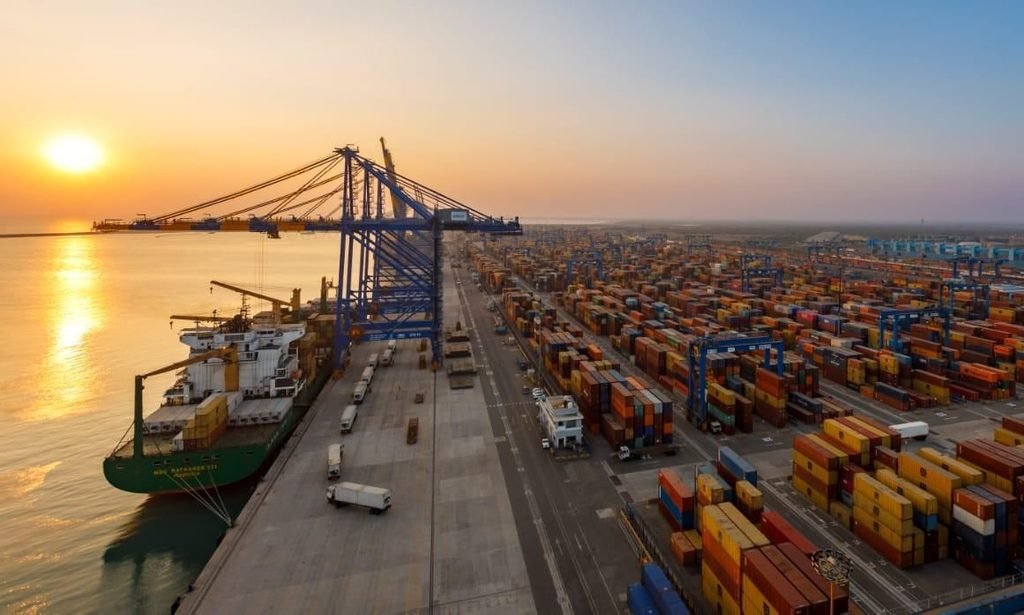
Understanding this major policy shift requires looking at how port congestion historically choked domestic supply chains. For decades, the Apapa and Tin Can Island facilities in Lagos handled the lion’s share of national imports. As a result, heavy traffic clogged surrounding roads, driving up haulage costs for regional businesses.
To address these systemic bottlenecks, President Bola Tinubu created the Ministry of Marine and Blue Economy in mid-2023, appointing former Osun State Governor Adegboyega Oyetola as its pioneer minister. Oyetola brought extensive corporate insurance and administrative experience to the role, focusing his tenure on unlocking blue economy revenues and modernizing aging port infrastructure. His team prioritized decentralizing maritime operations to turn coastal states into self-sustaining economic hubs.
- August 2023: Federal Government establishes the Ministry of Marine and Blue Economy to oversee coastal infrastructure.
- Early 2026: Port throughput surges as second-quarter container traffic reaches 602,392 twenty-foot equivalent units.
- September 27, 2026: Financial news outlet Nairametrics reports government approval for four port upgrades and six deep seaports.
Expanding Regional Port Capacity and Deep Seaport Infrastructure
Modernizing regional maritime assets requires pairing physical dredging with expanded container storage and integrated transport links. Under the approved framework, six deep seaports will spring up across strategic coastal locations, including the Ibom, Bakassi, Agge, Gateway, Ondo, and Bonny deep seaports.
Furthermore, these deepwater facilities allow larger ocean-going vessels to dock directly without relying on transshipment from neighboring countries. “Combining the modernization of existing ports with new deep seaports will expand our maritime capacity,” Oyetola explained. “Our ultimate goal is to build an integrated logistics network where rail, road, and inland waterways connect seamlessly.”
Additionally, federal authorities are engaging in exclusive discussions with APM Terminals to develop the proposed Badagry Deep Seaport, ensuring private capital supports public infrastructure goals.
Unlocking Maritime Funds for Sustainable Economic Growth
Sustaining this momentum depends heavily on empowering indigenous shipping operators through structured financial backing. To complement these physical upgrades, the ministry accelerated disbursements under the long-awaited Cabotage Vessel Financing Fund.
Through primary lending institutions, qualified local operators can access low-interest loans to expand their fleets. Ultimately, pairing robust port infrastructure with local fleet ownership strengthens regional trade, protects supply chains, and positions the nation as a premier maritime hub across West Africa.