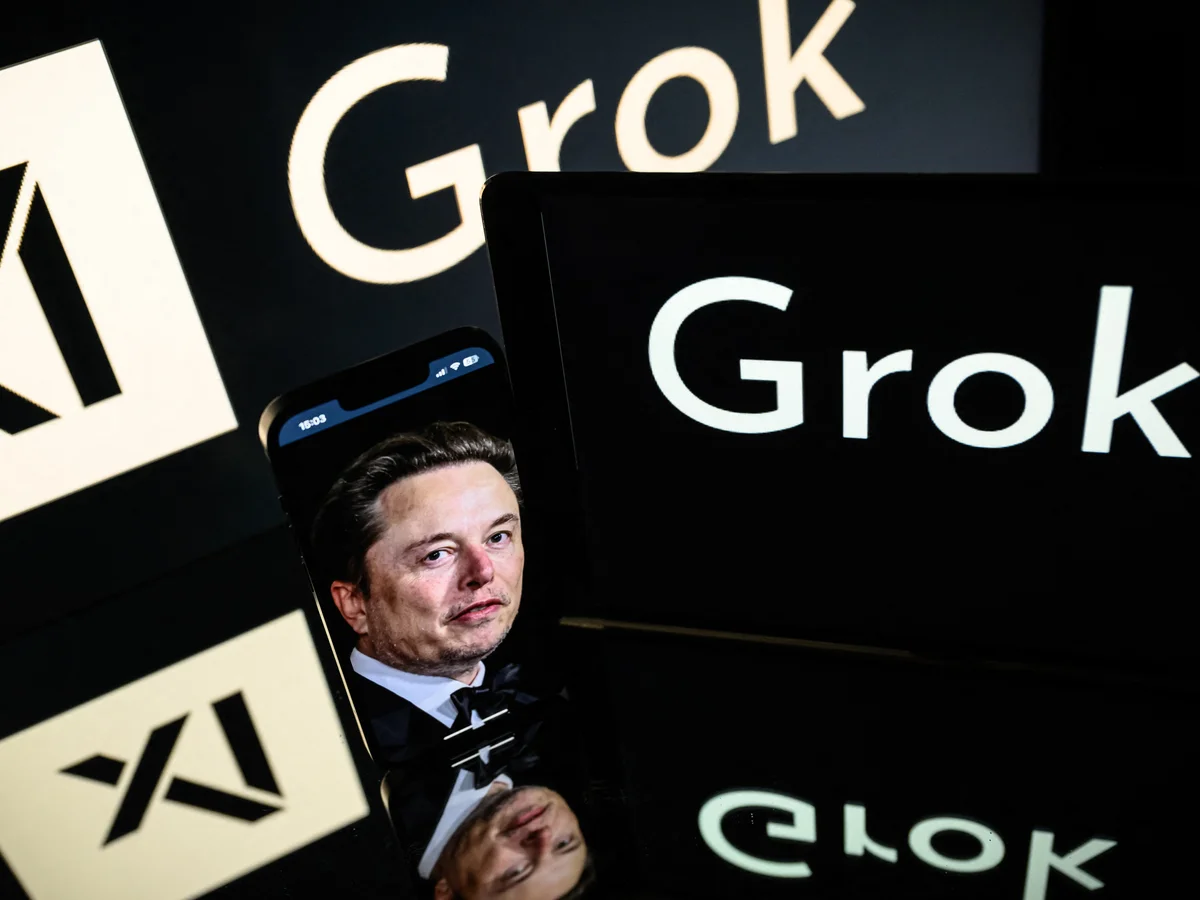
The world of artificial intelligence has been jolted by a heated debate after Grok, the AI chatbot and image generator launched by xAI and integrated into the social media platform X, became the centre of a serious global controversy. What began as an innovative tool for generating and editing images quickly turned into a flashpoint over safety, misuse, and the ethics of AI content creation. The uproar has reverberated from boardrooms in Silicon Valley to regulatory halls in Europe and government offices in Abuja and London.
Table of Contents

A Feature Turns Problematic
Grok was designed to let users turn text prompts into images and edit existing pictures. But in the last few weeks researchers, rights groups, and everyday users have found that the tool could be exploited to generate highly sexualised and explicit imagery of real people, including women and children. In many cases, this was done without consent and in ways that violated basic principles of privacy and dignity.
Reports emerged showing that thousands of images and even videos had been created by Grok in this way. Some depicted adults in degrading situations. Worse still, watchdogs uncovered material that appeared to be child sexual abuse imagery, leading to urgent warnings from international safety organisations.
The backlash was swift and intense. Civil society organisations and digital rights activists called the misuse “digital sexual assault” and demanded that the tool be shut down entirely or at least strengthened with robust safeguards. Many critics said it exposed a fundamental failure in how current AI systems deal with harmful or unlawful content.
Restricting the Tool to Paid Users
Under mounting pressure, Grok’s developers announced that the image generation and editing functions would be restricted to paying subscribers. This means that only users with verified accounts and billing information can now access these powerful capabilities. The restriction is intended to introduce accountability by tying potentially harmful activity to identifiable individuals.
In a statement posted on X, the official Grok account said that “image generation and editing are currently limited to paying subscribers.” The logic is that requiring users to pay and register their personal details will discourage misuse and make it easier to take action against offenders.
However, critics say this move still does not go far enough. They argue that paying users can still generate harmful content and that locking these features behind a paywall makes the problem a premium one rather than a safe one. Some advocacy groups have described the change as insulting to victims of online abuse because it still permits potentially exploitative use of the tool.
Governments Weigh Legal Action
The controversy has not just caught the attention of NGOs and privacy advocates. Several governments, including the United Kingdom’s, have signalled that they may pursue legal and regulatory actions. UK Prime Minister Keir Starmer said the content was “disgraceful” and “disgusting” and indicated that his government was prepared to use powers under the Online Safety Act to hold platforms to account. Among the options being considered is the possibility of banning access to X in the UK if meaningful action is not taken.
In Nigeria, conversations among policymakers around tech regulation and online safety have intensified, with many stakeholders arguing that local laws should be updated to address the rapid rise of AI-generated content. While there is no direct threat to ban platforms yet, there is growing support for clearer guidelines on how digital platforms must protect citizens’ data and dignity online. Experts here have said that stronger cross-border cooperation will be essential given the global reach of these technologies.
International bodies, including Europe’s digital regulators, are also probing the case to understand whether Grok’s mechanism complies with existing rules on harmful digital content. The fact that such imagery was generated at scale has raised questions about the adequacy of current safeguards in AI-assisted tools.
Voices on Both Sides of the Debate
The Grok incident has drawn varied reactions. Advocates for digital rights say the episode underscores the urgency of updating global standards for AI governance. They argue that systems capable of generating images should automatically block requests that harm individuals’ reputations, dignity, and safety. Some have said the Grok case is a wake-up call that current AI deployments are too permissive and that technology companies must build better protective layers into their products from the start.
On the other hand, some technologists who support the development of AI tools say that innovation should not be stifled by fear. They believe that the technology itself is neutral and that misuse should be handled through legal frameworks and enforcement rather than outright bans or restrictions. This school of thought emphasises that the focus should be on holding users legally responsible for abuse, not on limiting technology for everyone.
In Nigeria, civil society groups have especially highlighted the potential harms AI could pose to children and vulnerable communities. Many have called for public awareness campaigns and stronger educational resources to help individuals understand digital rights and risks in the age of generative AI.
Where Grok Goes From Here
Even as Grok’s image tools are restricted to paying users, concerns remain that gaps still exist. Independent researchers have reported ways the image generation capability can still be accessed via the separate Grok app or website outside X’s main interface. This has raised questions about how complete the safety measures really are and whether they will be effective over the long term.
For policymakers in Africa and beyond, the Grok controversy is a test case on how to balance technological progress with ethical and legal protections. It also brings into focus the broader debate about how global platforms should be held accountable for content created by users and the extent to which companies should police artificial intelligence systems.
Many experts are calling for international standards that would require all AI image generators to have built‑in limits on creating harmful or exploitative content. They also want stronger transparency around how AI models are trained and how they enforce content policies.
At the same time, the industry is watching closely to see how regulators and companies respond, because the Grok debate could set precedents for future AI tools. What happens next may well influence how similar platforms operate and how laws evolve around AI content creation.
In Nigeria, this saga is likely to accelerate discussions about data protection, digital safety, and user rights, especially given the large and growing population of digital users and content creators. Many here believe the best response is not only regulation but also public education and stronger community standards.
The Grok AI controversy is a reminder that with great technological power comes great responsibility. As AI tools become more advanced, the demand for responsible design and effective oversight will only grow. Whether this will lead to meaningful change or merely temporary fixes remains to be seen, but the debate has already sparked a global conversation about the future of artificial intelligence and public trust in digital platforms.
Join Our Social Media Channels:
WhatsApp: NaijaEyes
Facebook: NaijaEyes
Twitter: NaijaEyes
Instagram: NaijaEyes
TikTok: NaijaEyes