Eastern Africa sits at a crossroads of promise and challenge as its governments, universities and regional partners work to align higher education with the Sustainable Development Goals (SDGs) of the United Nations 2030 Agenda. Success in this mission could transform nations across the region by building a generation of skilled innovators and leaders who can tackle persistent social and economic problems. But the uneven capacity of universities and colleges and deep-rooted structural barriers make this a complex journey for countries including Kenya, Uganda, Tanzania and their neighbours, according to UNESCO.
Table of Contents
The Power of Higher Education in Eastern Africa
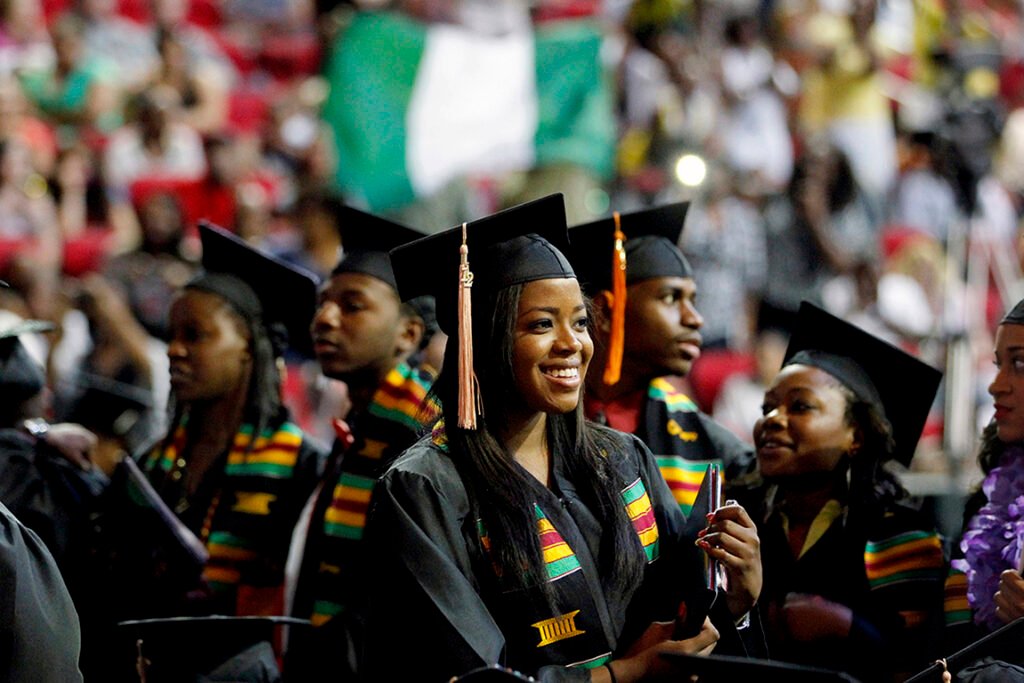
Across Eastern Africa, there is growing recognition that higher education is much more than a pipeline for graduates it is a strategic tool for sustainable development. Universities and other tertiary institutions shape knowledge, nurture critical thinking and produce research that can directly influence how societies address hunger, poverty, climate change and inequality.
Education is central to Sustainable Development Goal 4, which aims to ensure inclusive, equitable and quality education for all by 2030. Within that framework, higher education institutions are called on to expand access to learning, develop relevant skills and contribute to community wellbeing. Globally, UNESCO and the international community regard tertiary education as an engine of innovation and societal progress that can unlock opportunities from agriculture to technology.
At a continental level, millions of young Africans are reaching school-leaving age each year. The population is extremely young with three out of every four Africans under 35. If these young people are equipped with problem-solving skills and employable training, they have the potential to fuel economic transformations, strengthen democracies and spur social development in their countries.
Persistent Barriers to Progress
Despite these big hopes, Eastern African higher education systems face deep challenges that hinder their ability to fully support the 2030 Agenda. Enrolment in tertiary education is still far below the global average, leaving many young people without pathways to higher learning and skilled employment.
One major hurdle is the misalignment between what universities offer and what employers need. Across many Eastern African countries, programmes are often not tailored to labour market demands or emerging sectors such as the digital economy or green technologies. This mismatch leaves graduates struggling to find meaningful work even after years of study, while local industries continue to struggle to find the skilled workers they need.
Infrastructure limitations also remain a major concern. Many institutions lack modern laboratories, up-to-date libraries and reliable digital connectivity. These gaps limit the quality of instruction and research and make it hard for universities to prepare students for the rapid pace of technological change.
Additionally, gender disparities are persistent in some countries. Women, particularly in science, technology, engineering and mathematics fields, continue to be underrepresented in higher education leadership, research and certain academic disciplines. Addressing these inequalities is essential to ensuring that all young people have equal opportunities to contribute to national development.
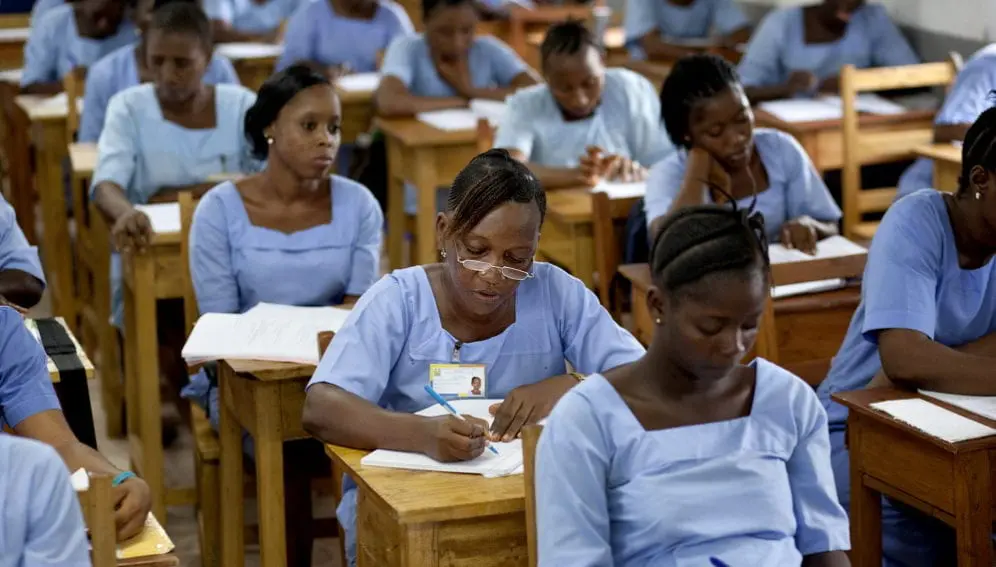
Linking Universities with Broader Development Goals
To meet the objectives of the 2030 Agenda, Eastern African higher education institutions are stepping beyond traditional teaching roles to become active partners in national and regional development plans. This includes renewed emphasis on research that supports solutions to climate change, food insecurity, public health challenges and economic transformation.
Partnerships between universities and industry are increasingly seen as critical. When faculties and businesses work closely, students gain practical experience and the curriculum better reflects real-world needs. This can expand employment opportunities and help reduce youth unemployment, a persistent problem in many Eastern African countries.
There is also a growing focus on interdisciplinary learning. Breaking down traditional academic silos encourages students to develop broad perspectives that are essential in tackling “wicked problems” such as environmental degradation and urbanisation. By combining insights from social sciences, natural sciences and technology, graduates are better prepared to lead change in their communities and across the region.
The Role of Regional and International Support
The scale of the challenge in Eastern Africa means that national institutions cannot succeed alone. Organisations such as the United Nations Educational, Scientific and Cultural Organization (UNESCO) play a central role in supporting reforms and strengthening higher education capacity. UNESCO leads initiatives that aim to improve access, quality and relevance in tertiary education systems and also coordinates efforts to build strong partnerships among governments, the private sector and educational institutions.
One example is the UNESCO-China Funds in Trust project, which has supported technical education programmes for thousands of young Africans and trained hundreds of educators to better respond to local skill needs.
At the regional level, mechanisms such as the Inter-University Council for East Africa help harmonise quality assurance systems, enable student and faculty mobility, and promote cooperation across borders. These efforts are essential in encouraging shared learning experiences and building a stronger collective voice for higher education in regional development debates.
Eastern African governments have also been stepping up reforms. Many are revising national education strategies to prioritise science and technology, entrepreneurship and sustainable development themes within university curricula. Investments in research and innovation hubs are increasing, and there are efforts to strengthen linkages between educational institutions and local industries.
Looking Ahead
As 2030 draws closer, the urgency to transform higher education in Eastern Africa becomes more pronounced. Long-standing challenges require sustained political will, innovative policy solutions and consistent investment. The region’s universities must grow not only in size but also in relevance and quality if they are to fulfil their potential as engines of sustainable development.
Despite the hurdles, there is cause for optimism. Student populations are growing, more quality assurance frameworks are being developed and a generation of young leaders is emerging with big ideas and global awareness. Countries in Eastern Africa have an opportunity to lead the continent in shaping higher education that is inclusive, dynamic and intricately connected to the goals of sustainable development.
Meeting the goals of the 2030 Agenda will require bold thinking, new ways of teaching and learning, and a shared commitment among governments, educators and young people themselves. If these forces can be aligned, higher education could become one of the most powerful tools for building prosperous and equitable societies in Eastern Africa.
Join Our Social Media Channels:
WhatsApp: NaijaEyes
Facebook: NaijaEyes
Twitter: NaijaEyes
Instagram: NaijaEyes
TikTok: NaijaEyes
READ THE LATEST EDUCATION NEWS