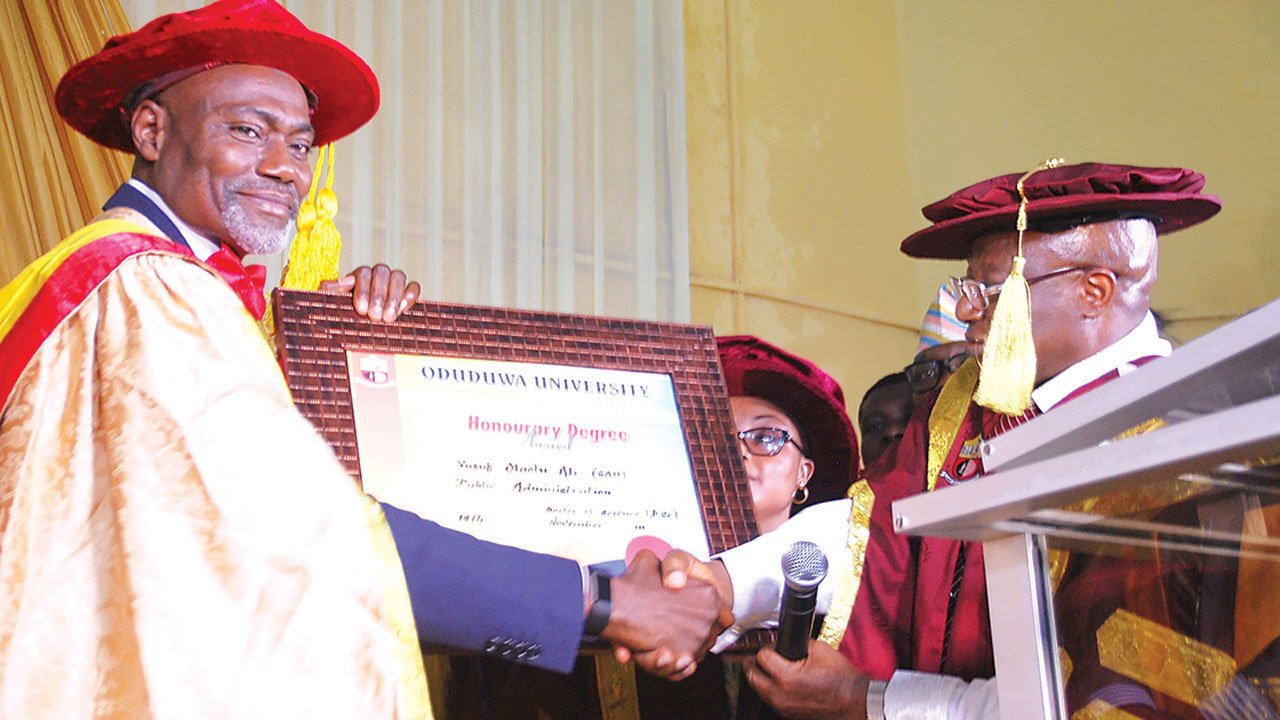
The growing culture of awarding honorary doctorate degrees in Nigeria is raising serious concerns about credibility, standards and the true meaning of excellence. What was once a rare and respected recognition for outstanding contributions to society is increasingly becoming controversial, with critics warning that the system risks losing its value if not properly regulated.
Honorary doctorate degrees, widely known as Honoris Causa, are traditionally conferred by universities to individuals who have made a significant impact in fields such as education, business, leadership, culture and public service. These awards are meant to celebrate influence, innovation and tangible contributions to societal development.
However, recent developments in Nigeria’s academic and social space suggest that this noble intention is gradually being diluted.
Table of Contents
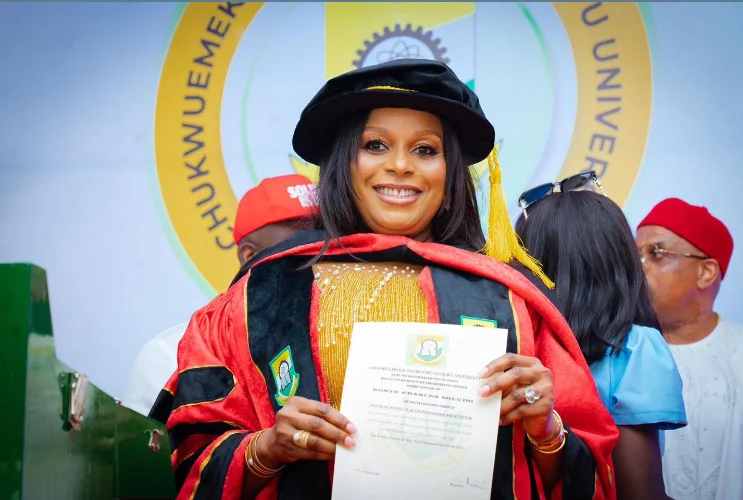
The rising controversy around honorary doctorate awards
Across the country, there has been a noticeable increase in the number of individuals receiving honorary degrees from institutions, some of which are barely known or lack strong academic credibility. This trend has sparked debates within the education sector and among the public, especially as more recipients now adopt the “Dr” title in professional and social settings.
Traditionally, honorary degrees were reserved for individuals whose work had clearly shaped industries or influenced national and global progress. Historical figures and respected professionals earned such honours after years of verifiable impact.
Today, critics argue that the criteria appear less stringent. In some cases, awards are perceived as tools for social validation rather than genuine recognition of excellence. The concern is not about honouring achievement, but about how easily such recognition is now obtained.
This shift has led to a growing perception that some honorary degrees are being commercialised or distributed without rigorous evaluation. While there are still legitimate recognitions, the increasing frequency of questionable awards is making it difficult to distinguish merit from mere publicity.
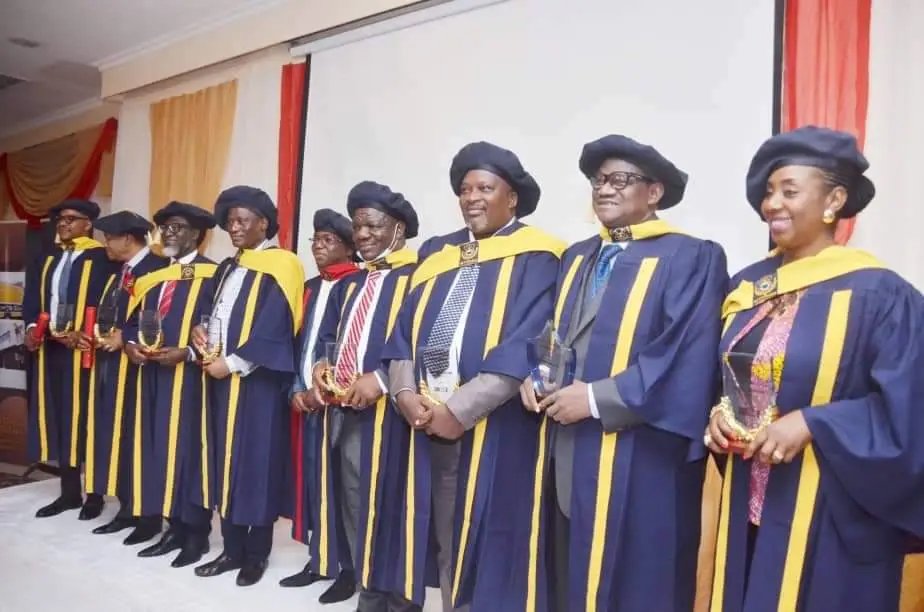
Impact on Nigeria’s education system and public trust
The implications of this trend go beyond individual recognition. It directly affects public confidence in Nigeria’s education system and the value attached to academic titles.
The Federal Government has already taken steps to address issues around certificate credibility, including efforts to curb fraudulent qualifications and improve verification systems through digital platforms.
These reforms highlight a broader concern about maintaining the integrity of academic credentials in Nigeria. When honorary degrees are perceived as easily accessible or loosely awarded, they risk being grouped with other forms of certificate abuse, thereby weakening trust in genuine academic achievements.
For students and professionals who invest years in earning academic degrees through rigorous study and research, the unchecked spread of honorary titles can feel unfair. It blurs the distinction between earned qualifications and symbolic recognition.
More importantly, it raises questions about the long-term impact on Nigeria’s global academic reputation.
The fine line between recognition and misuse
It is important to note that honorary doctorate degrees are not inherently problematic. When properly awarded, they serve as powerful symbols of excellence and inspiration. They recognise individuals who may not have followed traditional academic paths but have made extraordinary contributions to society.
For example, entrepreneurs, innovators and community leaders who have driven change often receive such honours as acknowledgement of their work. In many cases, recipients see the award as a call to greater responsibility and continued service to society.
The problem arises when the process lacks transparency, credibility or clear standards. Without these, the distinction between genuine honour and opportunistic recognition becomes blurred.
There is also the issue of misuse of titles. In Nigeria, it is increasingly common to see recipients of honorary degrees adopt the “Dr” prefix in official and informal settings, sometimes without clarifying the nature of the award. This practice contributes to confusion and undermines the academic significance of earned doctoral degrees.
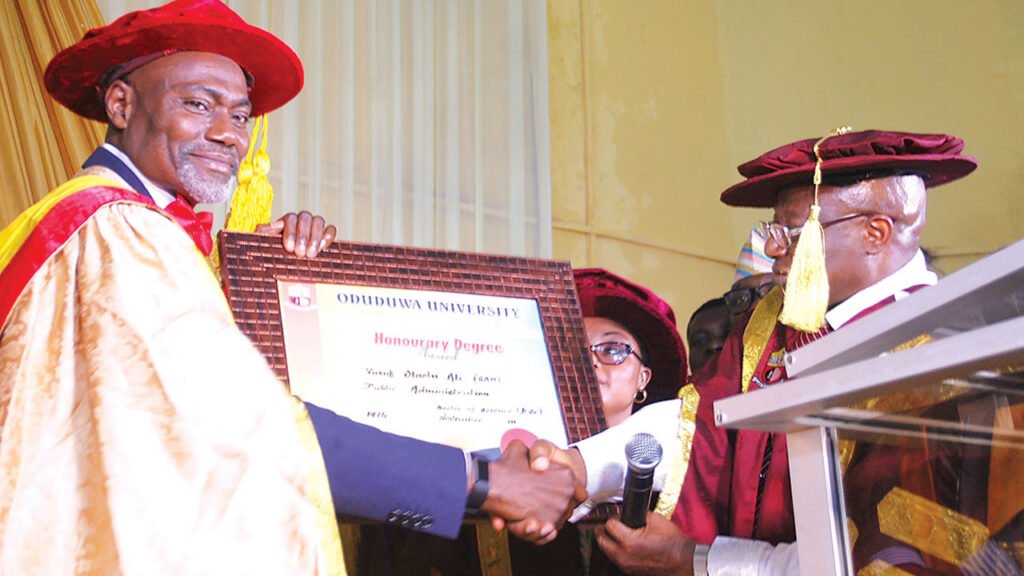
Restoring the value of honorary recognition
To preserve the integrity of honorary doctorate awards in Nigeria, stakeholders must take deliberate steps to ensure transparency and accountability.
First, universities and awarding institutions must uphold strict criteria for selection. Honours should be based on measurable impact, verified achievements and contributions that align with the institution’s values.
Second, there should be greater public awareness about what honorary degrees represent. Clear communication can help distinguish them from academic qualifications and reduce misuse of titles.
Third, regulatory bodies and education authorities may need to introduce guidelines or frameworks to standardise how such awards are conferred. This would help eliminate questionable institutions and protect the credibility of recognised universities.
Finally, society itself has a role to play. Recognition should be celebrated, but it must also be scrutinised. True excellence speaks for itself and does not rely solely on titles.
In the end, the value of any honour lies in its credibility. When honours are given without merit, they lose meaning. But when they are earned through genuine impact, they remain powerful symbols of achievement and inspiration.
Join Our Social Media Channels:
WhatsApp: NaijaEyes
Facebook: NaijaEyes
Twitter: NaijaEyes
Instagram: NaijaEyes
TikTok: NaijaEyes
READ THE LATEST EDUCATION NEWS