
In 2026, the buzz around artificial intelligence continues to dominate boardrooms and strategic sessions worldwide. Yet, as organisations invest heavily in machines and tools that promise productivity, efficiency, and a competitive edge, a deeper truth is emerging. The real power of artificial intelligence in the workplace is not the technology itself but how human engage with it. According to the World Economic Forum, Workforce adoption of AI is now at the centre of conversations about economic growth and the future of work.
At the recent World Economic Forum Annual Meeting, business and labour leaders from across the globe grappled with a pressing question. Even as AI systems grow more capable and widespread, why does productivity growth not always keep pace? The answer, according to leading labour market analysts, is simple. People matter as much as machines. If organisations deploy AI without preparing workers to use it confidently and consistently, the promise of transformative gains may fall short.

Table of Contents
Productivity Challenges and Demographic Realities
The need for productivity gains has never been more pressing. In many parts of the world, population growth is slowing, and ageing workforces are putting pressure on economic growth and public finances. Under these conditions, technological innovation becomes a critical tool to maintain momentum. AI is often presented as a magic bullet in this context, capable of driving productivity even as demographic headwinds mount.
But here lies a crucial nuance. Technology alone does not automatically lead to higher performance or growth. In nations such as Japan and China, where demographic decline is already a reality, leaders have moved towards automation not just by choice but by necessity. These countries show how ageing populations can accelerate the adoption of automation to keep productivity afloat. Yet the lesson is clear for every economy. The benefits of AI will only materialise if it is fully integrated into the way people do their work.
Effective integration means rethinking work itself, not merely adding digital tools to existing routines. When technology is woven into operational practices and everyday tasks, workers become enablers of AI-driven value. Without that human embrace, productivity can stagnate, and investments in AI will fail to translate into real economic gains.
The Shift to New Work Structures
Across industries, traditional job models are giving way to new organisational structures. Fixed roles with rigid boundaries are increasingly replaced by flexible teams, task-based assignments and modular systems that allow skills to move fluidly across projects. According to recent labour surveys, only a minority of new hires today are simply replacing departing employees. Instead, many employers are creating roles that did not exist before, designed to meet evolving demands.
This trend reflects a broader shift. Skills are now more important than job titles. Employers are prioritising internal mobility, continuous learning and dynamic deployment of talent. The ability of workers to adapt and grow in their roles has become a major driver of organisational competitiveness. In a world where change is constant, workforce strategies that emphasise agility and learning will deliver more value than those anchored in static job descriptions.
The very nature of work is evolving. Tasks are being broken down into components that can be automated or recombined, with humans often orchestrating the larger process. This fragmentation creates opportunities for collaboration between humans and machines but also raises expectations among employees for flexibility, growth and work-life balance. Despite these shifts, many organisations are still struggling to support their people through the transition.
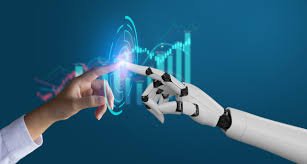
Why Organisational Readiness Matters More than Technology Alone
One reveal from labour market data is especially telling. While the number of workers using AI tools at work has risen sharply, confidence in using those tools has not kept pace. Nearly half of the workforce reports regular use of AI, yet many employees feel underprepared or overwhelmed by the technology. This gap highlights a crucial truth. Organisations often measure success by the speed of AI deployment or the sophistication of models they adopt. But these metrics miss the heart of the issue. Productivity gains emerge only when workers feel confident and competent in applying AI to their daily jobs.
Business outcomes, therefore, depend on much more than purchasing the latest AI platform or expanding computing capacity. Success hinges on reorganising processes, redesigning work practices, and investing in continuous learning. Companies that treat learning as a one-time activity risk falling behind. Instead, building a culture where employees are encouraged and enabled to learn new skills on an ongoing basis is becoming a defining source of competitive advantage.
Leaders who recognise this are adjusting how they approach AI adoption. Workforce strategy and technology strategy are no longer separate domains. They are intertwined and mutually reinforcing. Firms that align these strategies see faster performance improvements and deeper integration of AI into their core operations.
From Recovery to Continuous Adaptation
The days when organisations could recover from disruption with a single training programme are gone. In an era marked by persistent volatility, resilience depends on the ability to adapt continuously. A growing number of companies are embracing the idea that transformation is not a project with a fixed end date but a cultural norm. Firms that embed flexibility, responsiveness and learning into their DNA are more likely to thrive as AI evolves.
At present, many organisations are already moving in this direction. More than half now use skills-based systems rather than traditional role-based structures. Project-based work has also gained traction, giving employees opportunities to rotate across different kinds of tasks and build diverse capabilities. Yet gaps remain. A significant percentage of workers report that they have had no recent training or mentorship opportunities, a shortfall that could blunt the impact of AI adoption over time.
These findings suggest that human-centred approaches to technology adoption deserve greater emphasis. By supporting employees through continuous learning and reshaping work environments to make the most of human potential, organisations can unlock more value from their AI investments.

The Human Edge in the Age of AI
At the heart of this transformation is a simple idea. Technology may expand what is possible, but people determine what is achieved. True progress will come not from replacing humans with machines but from harnessing the combined strengths of both. In this blended environment, human creativity, judgement and resilience complement the speed, scale and analytical power of intelligent systems.
Leaders who cultivate curiosity and a learning mindset will be best positioned to lead in this new era. Those who cling to traditional hierarchies or neglect their workforce’s development may find themselves struggling to capture the opportunities that AI promises. The future of work belongs to organisations that see workforce adoption of AI not as a technical challenge but as a human one.
In summary, the value derived from artificial intelligence depends not just on chips and code but on human behaviour and readiness. The story of AI in the workplace in 2026 and beyond is one about people learning, adapting and leading change. Organisations that prioritise these human elements will be the ones that turn technological potential into prosperity.
Join Our Social Media Channels:
WhatsApp: NaijaEyes
Facebook: NaijaEyes
Twitter: NaijaEyes
Instagram: NaijaEyes
TikTok: NaijaEyes