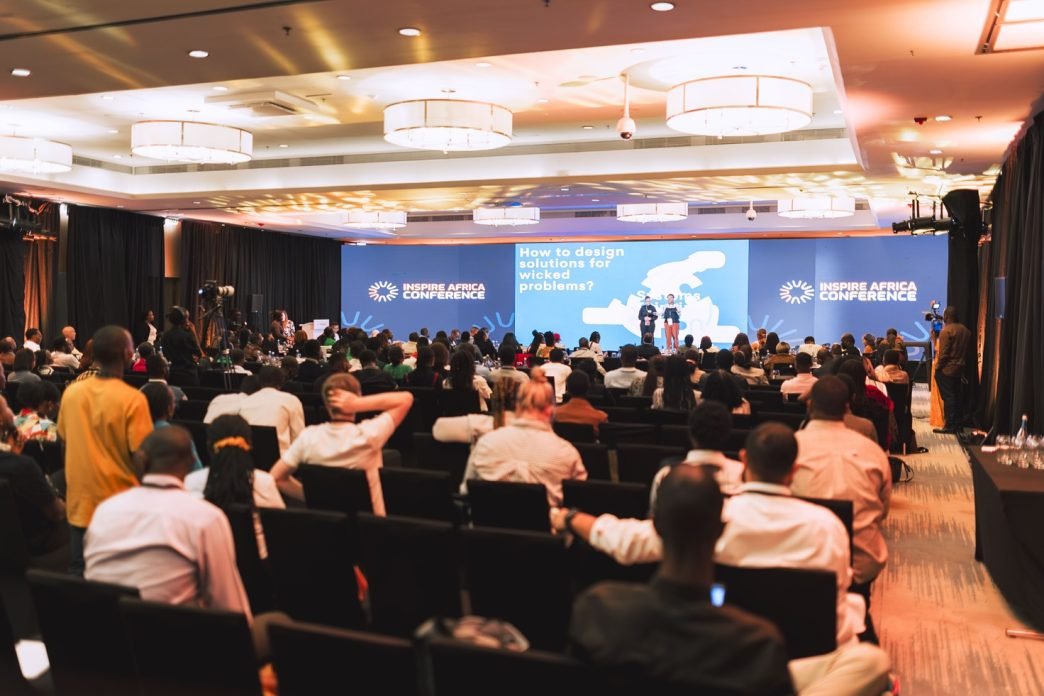
In a year marked by cautious optimism for Africa’s tech ecosystem, Innovate Africa Fund has delivered an inspiring performance with its first set of investments. The early-stage investment vehicle, designed to back African founders at the concept stage, has reported that its inaugural portfolio companies have attracted follow-on funding at five times the value of their initial backing. This outcome is significant given the challenging early-stage funding landscape across the continent, and it underscores the potency of Innovate Africa’s product-centric model for identifying and accelerating promising ventures.
Launched with an initial $2.5 million allocation to support founders who are still testing and refining ideas, the fund has emphasised structured experimentation and hands-on product development. Within months of investment, companies in its first cohort have seen multiple rounds of follow-on angel funding, a rare feat for startups at the idea stage in Africa’s capital-constrained environment.
Kristin Wilson, managing partner at Innovate Africa Fund, told reporters that there has never been a shortage of innovative ideas on the continent. What many founders lack, she said, are the frameworks and disciplined validation needed to turn those ideas into ventures that attract serious investor interest. Wilson’s observations reflect a deeper shift in early-stage investing that favours evidence from product testing and real user feedback over traditional metrics like revenue or scale at the earliest stages.
Table of Contents
Innovate Africa Fund Portfolio Highlights and Strategic Insights
Innovate Africa’s first portfolio consists of three companies drawn from a competitive pool of more than 5,600 applicants since the fund became active in 2024. The standout investments include TNKR, Oikus, and AddressMe, each chosen for its potential to tackle pressing challenges in African markets.
TNKR, originally a content platform, underwent two strategic pivots under the fund’s guidance. Early product sprints helped the founders discover opportunities in developing tools for hardware creators. This led to the creation of Leonardo, an AI-powered workshop assistant aimed at addressing gaps in hard-tech skills training across the continent. The pivot exemplifies how iteration and rapid learning can unlock new value for founders and investors alike.
Oikus, another portfolio company, began as a property marketplace. However, user research revealed that mistrust in the real estate market was the core user problem, not discovery. The startup shifted its focus toward building verification infrastructure to strengthen trust in property transactions, with plans to pilot this solution in Lagos.
AddressMe, the third company in the cohort, secured its place in the portfolio after winning at the first World Product Day event in Lagos. That recognition reaffirmed Innovate Africa Fund’s belief in community-driven platforms and events as fertile grounds for spotting high-potential founders and ideas early.
At the heart of the fund’s strategy is Wicked Innovation Labs, an internal experimentation engine that helps founders translate ideas into evidence before investment decisions are made. In its first year, the labs identified 15 key problem areas across African markets and supported ten teams through structured validation processes. This kind of rigorous yet founder-friendly approach is helping Innovate Africa build a pipeline of ventures ready for both investment and real-world testing.
Innovate Africa Fund is Bridging Gaps in Africa’s Startup Funding Landscape
Early-stage ventures in Africa have traditionally found it hard to attract significant investment. Much of the continent’s funding flows toward later-stage startups that already show traction or revenue. According to industry trackers, Africa surpassed $3 billion in startup funding in 2025, yet companies at the concept phase remain underfunded relative to their potential. Innovate Africa Fund was created to address this specific gap by providing capital and structured support right at the start of the journey.
The fund selects founders not just on the strength of their idea, but on six core criteria: character, credibility, capacity, courage, competence, and context. This comprehensive evaluation framework ensures that founders can navigate uncertainty and adapt when necessary. Innovate Africa’s product-first model also emphasises rapid testing, structured experimentation, and flexibility to pivot. These methods help founders move from assumptions to validated business models that appeal to a broader set of investors.
Wilson’s reflections on the fund’s first year highlighted the importance of patience and practical support for founders at the very earliest stages. “When founders are given the space and structure to test what’s true about their business early, they don’t just become better at pitching, they build companies investors actually want to support,” she said. This focus on real-world validation and operational guidance is increasingly recognised as a foundation for stronger, more investable startups.

Looking Ahead: Growth, Expansion, and Community
Following its initial success, Innovate Africa Fund plans to expand its activities over the coming years. The fund aims to make up to eight additional early-stage investments in the next cycle. It also intends to strengthen its presence in key African tech hubs, including Egypt, Kenya, and South Africa. On the operational side, the fund is moving to formalise Wicked Innovation Labs into a standalone venture lab that will broaden access to product leadership training, innovation frameworks, and mentorship beyond the immediate portfolio.
This expansion reflects a deeper commitment to nurturing and scaling early ideas across the continent. By offering founders access to structured experimentation support and follow-on capital, Innovate Africa is contributing to a more vibrant and resilient tech ecosystem. The fund’s mentorship, community building, and investment approach aim to ensure that more startups not only secure initial funding but also sustain momentum and attract larger investments.
Investors and founders alike are watching closely as the venture continues to build on its early wins. The fact that the first cohort has already achieved significant follow-on funding signals that disciplined early-stage support can translate into investor confidence and real growth opportunities. In a broader context, these results bolster belief in Africa’s innovation potential and the ability of local funds to unlock value from within the ecosystem itself.

Conclusion
The success of Innovate Africa Fund’s first portfolio is notable in an African startup ecosystem still maturing its approach to early-stage investment. By focusing on product validation, founder support, and structured experimentation, the fund has helped its portfolio companies secure follow-on capital at rates seldom seen for concept-stage ventures. With plans for expansion and deeper ecosystem engagement, Innovate Africa is setting a new horizon for nurturing innovation on the continent.
Join Our Social Media Channels:
WhatsApp: NaijaEyes
Facebook: NaijaEyes
Twitter: NaijaEyes
Instagram: NaijaEyes
TikTok: NaijaEyes