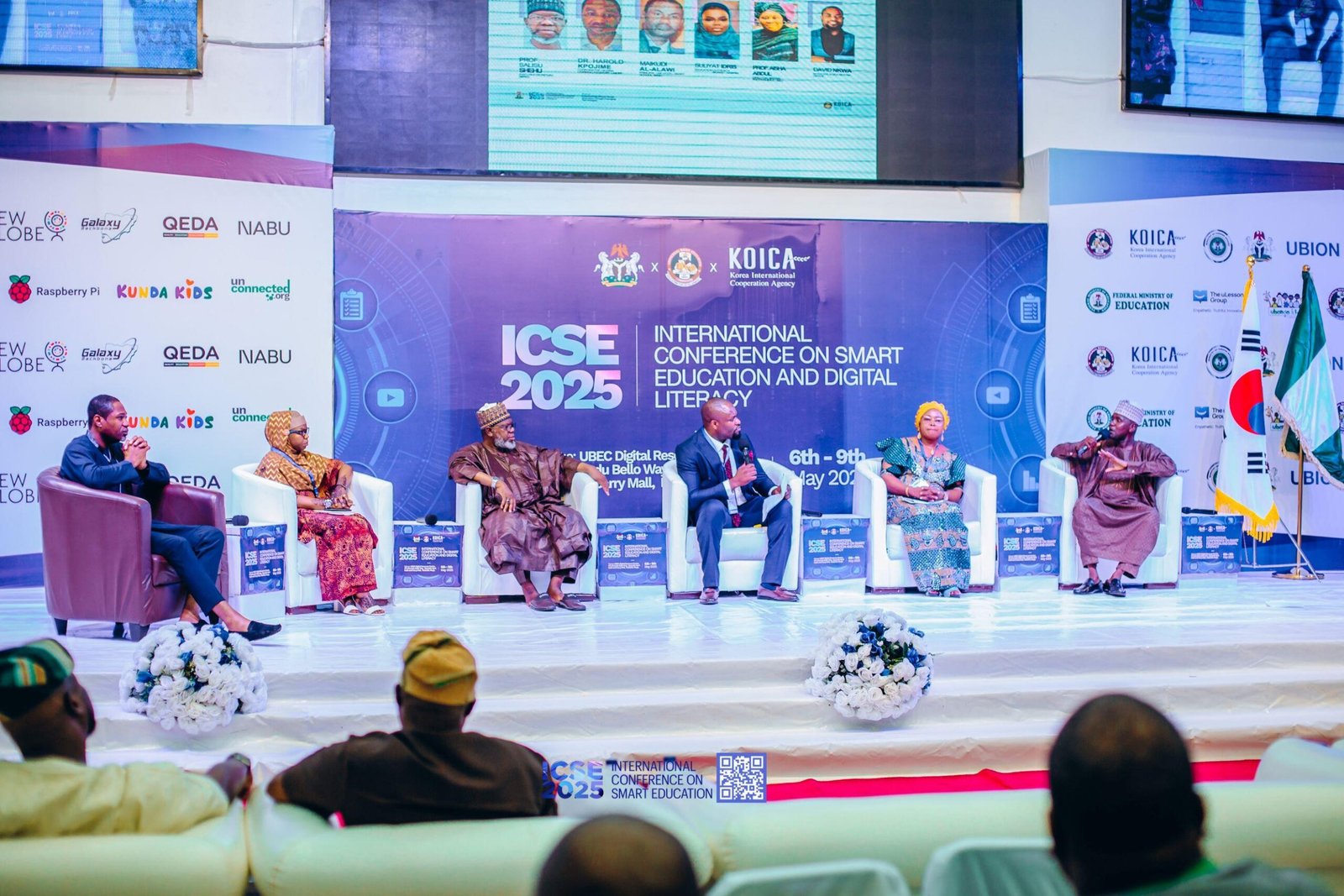
In the heart of Abuja this year, educators, policy makers, researchers and technology leaders from Nigeria and across Africa gathered for a pivotal event aimed at reshaping the future of learning in the region. The International Conference on Smart Education and Digital Literacy 2025, more commonly referred to as ICSE 2025, was hosted by the Universal Basic Education Commission (UBEC) to spotlight the urgent need to rethink how education is delivered in a rapidly digitising world.
With Nigeria’s young population rapidly expanding and pressing developmental challenges, including poverty and educational inequality, this conference arrived at a crucial moment. A large proportion of the nation’s youth remain outside the formal education system or struggle within traditional classroom environments. ICSE 2025 placed digital innovation at the centre of efforts to unlock broader access to quality education and prepare learners for the digital economy of the future.
The central theme of the conference was “Empowering African Smart Education through Emerging Technologies,” a phrase that captured the ambitions of stakeholders to harness technology to improve learning outcomes. Representatives from government, civil society and international development partners joined in discussions dedicated to closing gaps in educational quality and access.
A Strategic Forum for Smart Education Leaders
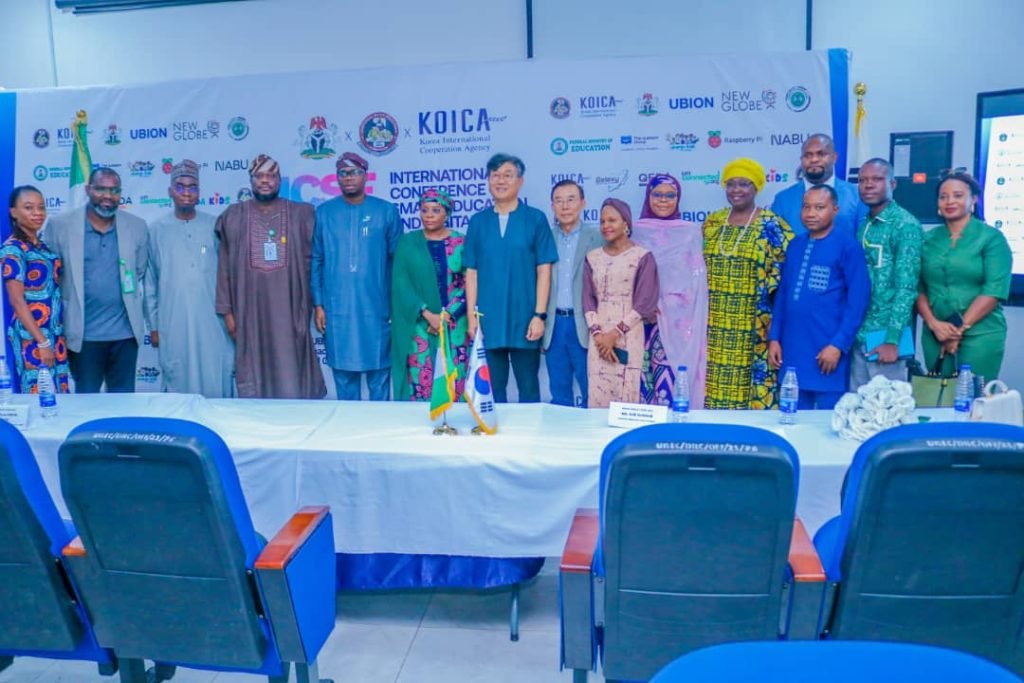
ICSE 2025 emerged as a platform for deep and practical conversations about how best to integrate technology into basic education across Africa. Between 6 and 9 May 2025, delegates engaged with ideas and tools designed to push digital learning from concept to reality in classrooms, from urban centres to rural communities.
The structure of the conference included keynote addresses, panel discussions, and expert sessions. These were designed not only to share success stories but also to identify real barriers to implementation. Among the topics covered were the digital skills needed by teachers to deliver technology-led instruction and the infrastructure challenges that many schools still face.
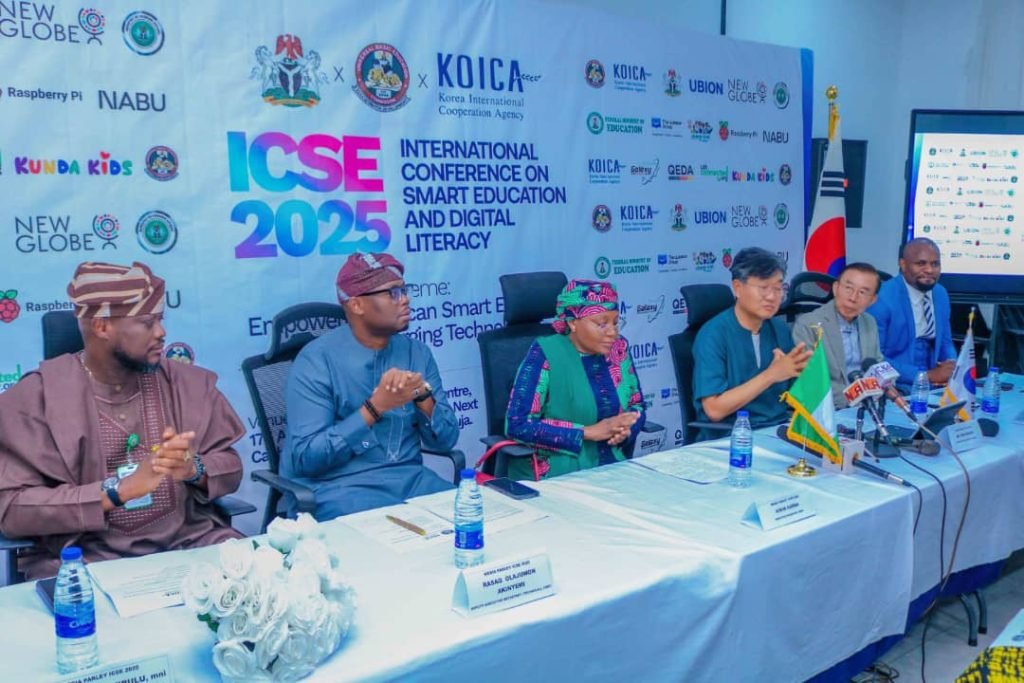
One of the aims of the conference was to accelerate knowledge sharing and build a community of practice around smart education. Participants were encouraged to share research, pilot projects and evidence of impact to help scale successful approaches. UBEC also invited contributions from international partners, including agencies from countries with more established digital learning ecosystems, to offer comparative insights.
What Nigeria Stands to Gain with ICSE 2025
For Nigeria, the stakes could not be higher. With more than 40 per cent of its population under the age of 15, equipping young people with digital literacy and modern skills is essential for national growth. At the conference, local and international experts outlined a future where smart education does more than replace textbooks with tablets; it transforms how students engage with learning and prepares them for a world where digital fluency is a baseline requirement.
Domestic efforts to integrate technology into education were highlighted during the event, including UBEC’s broader national initiative to roll out smart education technologies across Nigeria’s public schools. Educators and school administrators heard about Nigeria’s plans to establish smart learning environments equipped for interactive, tech-enabled instruction in every state.
These programmes are part of a broader strategy by UBEC to modernise the basic education system. They complement ongoing reforms in quality assurance and teacher development, including digital tools for school evaluation and cloud-based data systems that improve monitoring of educational outcomes. Earlier efforts have digitalised quality assurance processes to provide near real-time data and more accurate school evaluations nationwide.
In conversations throughout the conference, one recurring message was clear: smart education is not just about devices and software. It is about creating an enabling ecosystem where teachers are confident users of technology, students have equitable access to digital resources, and systems are in place to sustain innovation.

A New Chapter for Basic Education in Nigeria
Beyond the panels and presentations, ICSE 2025 represented a tangible shift in Nigeria’s educational trajectory. The event strengthened partnerships between government agencies, international development actors, tech companies, and educational institutions. It served as a reminder that the collective efforts of diverse stakeholders are needed to build an education system that meets the demands of the 21st century.
One of the enduring outcomes of the conference was the consensus on prioritising digital literacy as a cross-cutting skill essential for economic participation. Delegates also recommitted to policies that support investment in educational technology infrastructure and teacher training programmes that embed digital learning into everyday classroom practice.
For many attendees, the event was also a personal milestone. Young educators shared stories of classrooms transformed through technology, while policymakers spoke of the need to ensure that all children, regardless of background, have a chance to thrive in an increasingly digital world. These human elements show why the discussions at ICSE 2025 matter so deeply to the future of education in Nigeria.
While the conference concluded with optimism and new commitments, the real work lies ahead. Translating ideas into action will require sustained political will, funding, continuous teacher support and robust infrastructure. Yet ICSE 2025 has set a benchmark for how collaborative forums can mobilise change and inspire a shared vision for smart, inclusive education.
As Nigeria continues to navigate the path toward educational transformation, initiatives like ICSE 2025 will be remembered as inflexion points in the journey to bridge the gap between traditional schooling and a future defined by digital learning opportunities.
Join Our Social Media Channels:
WhatsApp: NaijaEyes
Facebook: NaijaEyes
Twitter: NaijaEyes
Instagram: NaijaEyes
TikTok: NaijaEyes
READ THE LATEST EDUCATION NEWS