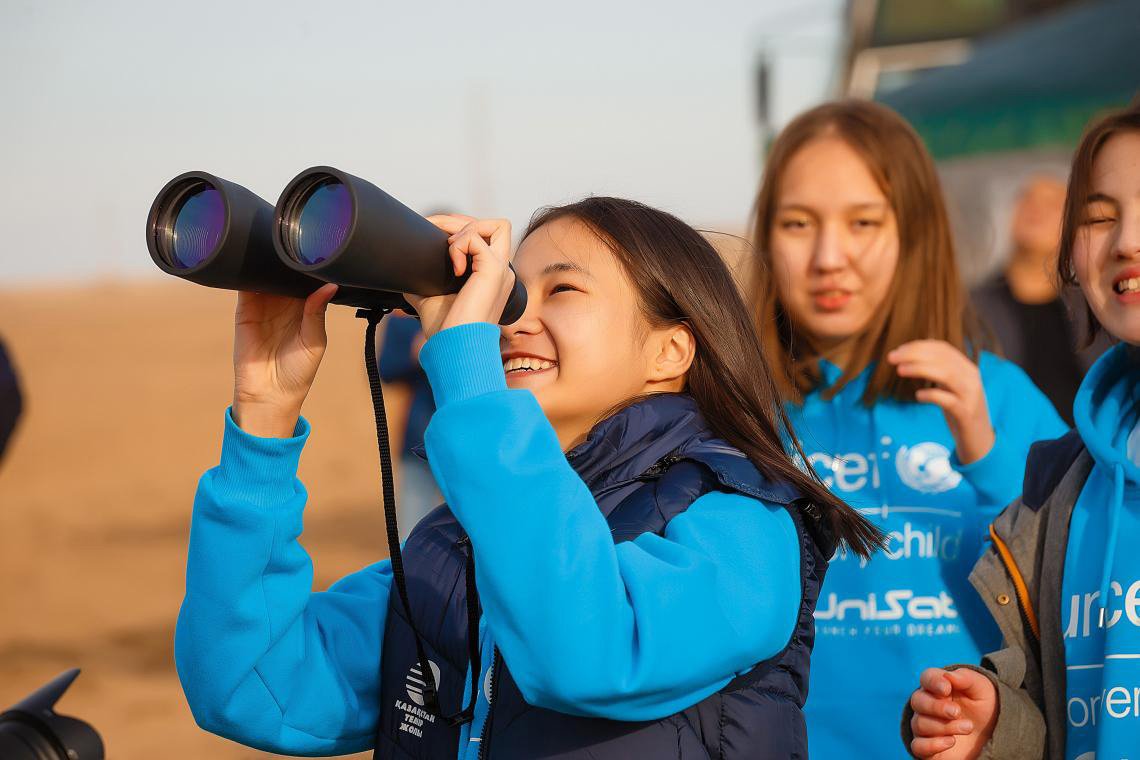
On 11 February 2026, the world marked another important milestone in the journey towards equality with the celebration of the International Day of Women and Girls in Science 2026, hosted by UNESCO at its headquarters in Paris. This annual observance underscores a global commitment to recognising and expanding the role of women and girls in science, technology, engineering, and mathematics (STEM) and highlights how closing the gender gap in science leads to stronger societies and more innovative solutions for the future.
The 2026 edition took the conversation beyond theory, focusing on how to turn ideas into real, measurable impact and spotlighting successful strategies that have already made a difference in research communities around the world. With hybrid access for both in-person and online participants, the event drew scientists, policymakers, journalists, and students from diverse contexts to share insights and work collectively towards more inclusive STEM environments.
From Vision to Impact: Redefining STEM
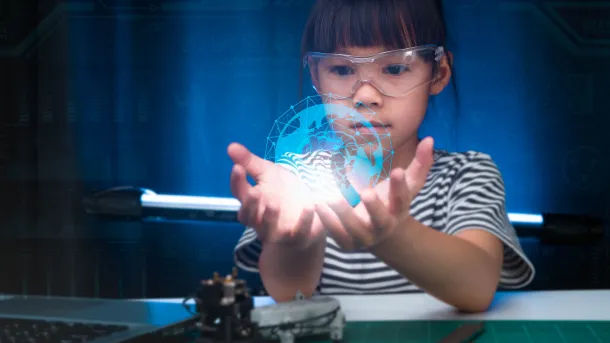
At the heart of this year’s observance was the theme From Vision to Impact: Redefining STEM by Closing the Gender Gap. UNESCO pointed out that women still represent less than one third of researchers worldwide, a statistic that matters both for equality and for the quality of scientific breakthroughs.
Moving from recommendations to action, the gathering set out to showcase real examples of progress. Researchers and leaders from institutions across health sciences, cybersecurity, artificial intelligence, and scientific entrepreneurship came together to share what has worked in their countries and organisations. Each of these areas was not chosen randomly but because progress in them has strong potential to ripple out and inspire change in other parts of the global science ecosystem.
Conversations at the event were grounded in evidence and personal experience. Panellists discussed specific practices that helped women scientists thrive, from nurturing leadership to designing programmes that encourage girls to pursue STEM studies early in life. This focus reflects a growing understanding among advocates and institutions that fostering inclusion requires not only political will but practical steps rooted in lived reality.
Why Representation Matters in Science
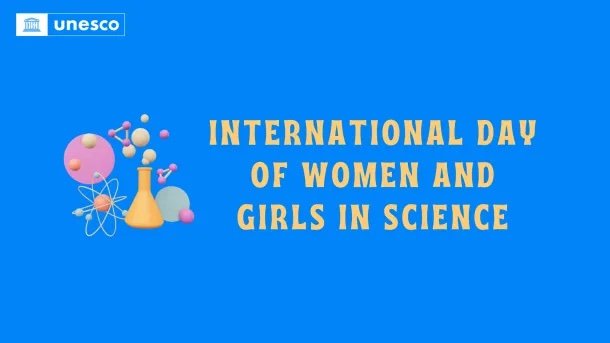
The significance of celebrating women and girls in science goes far beyond symbolism. Science shapes our world in every imaginable way, from improving healthcare to driving technological innovation and addressing climate change. When entire segments of society are left out of scientific discourse and decision-making, the quality of discoveries and the relevance of solutions suffer.
Globally, women face persistent barriers in STEM. Unequal access to research funding, societal stereotypes, and workplace discrimination are among the factors that hinder women’s full participation in scientific careers. According to UNESCO and United Nations data, only about one in three researchers is female, and in certain technological fields, the numbers are even lower.
This underrepresentation has tangible consequences. For example, in areas like artificial intelligence and cloud computing, a lack of diversity among developers and researchers can lead to technology that fails to meet the needs of all users. By broadening participation, institutions can produce research and tools that are more robust, equitable, and applicable to a wider range of people and contexts.
For many women and girls around the world, seeing role models in science, knowing that their voices are valued, and having access to mentorship and resources can change the trajectory of their careers. That is why events like this are essential complements to long-term policy shifts. They provide forums where stories of resilience and success can inspire others and build momentum for sustained change.
Champions of Change
The 2026 celebration highlighted the achievements of women scientists and advocates who are challenging stereotypes and paving the way for future generations. Distinguished speakers and panellists came from a range of countries and professional backgrounds, bringing international perspectives to discussions about building inclusive scientific communities.
Sessions ranged from deep dives into gender-inclusive health research to discussions about equitable participation in cybersecurity and artificial intelligence. Presenters shared strategies that have helped shift cultures within institutions and industries, offering insights that others can adapt to their own environments.
One of the notable features of the event was its emphasis on emerging technologies. As fields like AI grow rapidly, ensuring that women are part of both the development and implementation of these technologies is critical. This focus acknowledges that future breakthroughs in science will increasingly involve digital tools and that inclusivity in these areas will help shape ethical and effective outcomes.
From senior UNESCO officials to rising young scientists, contributors highlighted the importance of education, mentorship, and leadership opportunities for girls and women at all stages of their careers. These conversations also included reflections on what it takes to scale effective initiatives, such as supportive networks and long-term investment in STEM education.
Looking Ahead
The International Day of Women and Girls in Science is more than an annual date in the calendar. It is a reminder of the ongoing work needed to create science communities that reflect the full potential of humanity. By celebrating achievement, drawing attention to challenges, and demonstrating what works in the real world, observers hope to accelerate progress towards gender equality in science.
As global leaders commit to Sustainable Development Goal 5, which seeks to achieve gender equality and empower all women and girls, efforts like UNESCO’s event become part of a broader framework for change. Encouraging girls to imagine themselves as scientists, supporting women in leadership roles, and dismantling barriers are all essential pieces of a larger puzzle that the international community continues to solve together.
For many in Nigeria and beyond, the message is clear: science thrives when it includes everyone. Progress in health research, technology, climate action, and other fields depends on diverse voices and perspectives. By reaffirming this truth every year, the world moves closer to an inclusive scientific future that leaves no one behind.
The echoes of the 2026 International Day of Women and Girls in Science will continue to shape conversations and initiatives well beyond February 11, with renewed energy for practical action and shared commitment to gender equality in science.
Join Our Social Media Channels:
WhatsApp: NaijaEyes
Facebook: NaijaEyes
Twitter: NaijaEyes
Instagram: NaijaEyes
TikTok: NaijaEyes