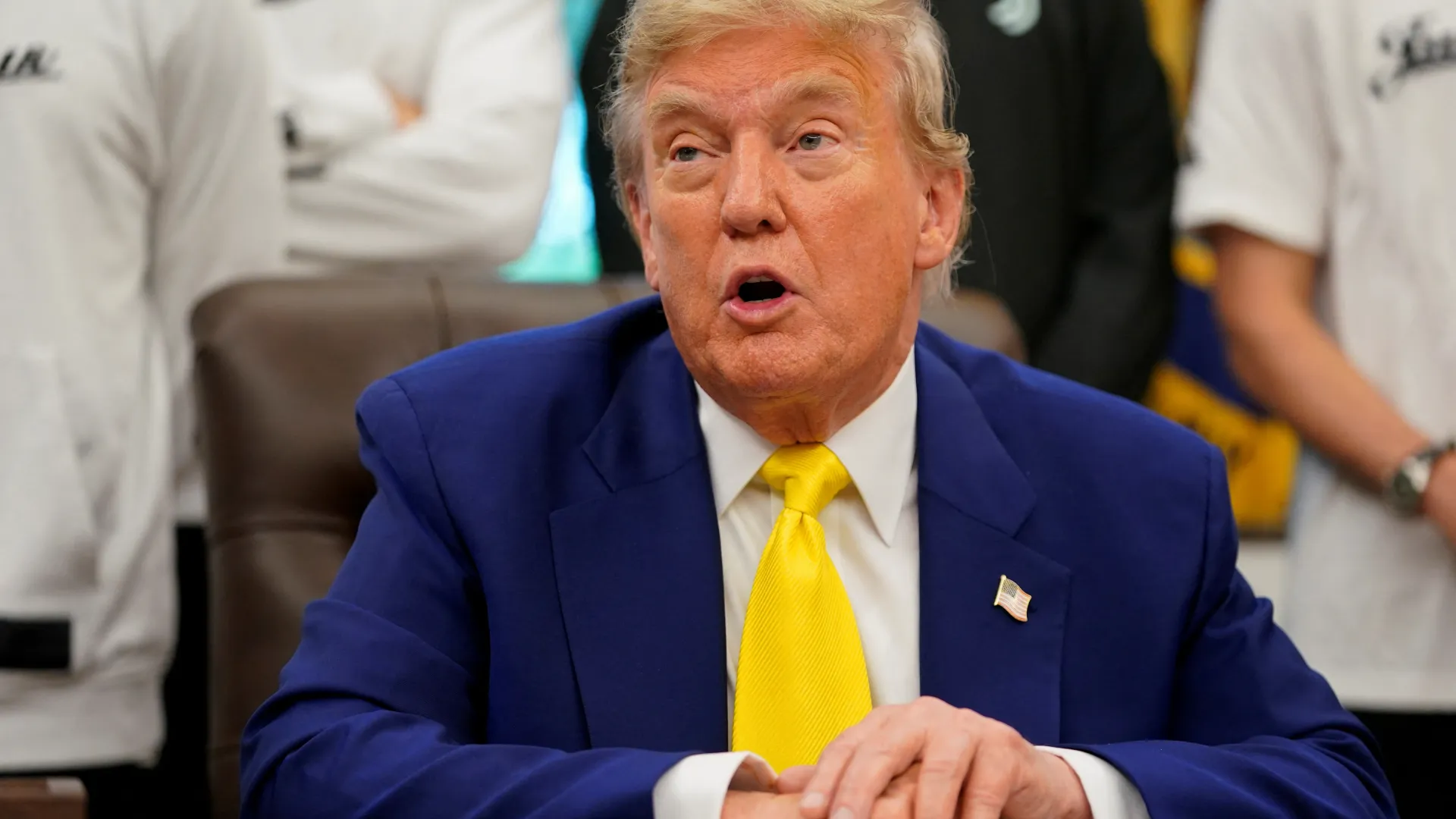
In a dramatic shift that has caught global attention, United States President Donald Trump has agreed to suspend planned bombing operations against Iran for a period of two weeks, offering a narrow but critical window for diplomacy in an increasingly volatile conflict.
The announcement came at a tense moment, just hours before a previously set deadline for possible large-scale military strikes. According to multiple international reports, the pause is part of what Trump described as a “double-sided ceasefire”, signalling that both sides are expected to step back from escalation during the period.
This development follows weeks of sustained military activity involving the United States and Israel, with retaliatory responses from Iran raising fears of a broader regional war. The decision to halt bombing, even temporarily, is now being viewed as a potential turning point in the crisis.
Table of Contents
Diplomatic pressure and conditions behind the pause
At the heart of the two-week suspension is a key condition that Iran must meet. The ceasefire arrangement is tied to the reopening of the strategically important Strait of Hormuz, a vital global oil route that has been disrupted during the conflict.
Reports indicate that the agreement emerged after intense diplomatic engagement, particularly involving Pakistan’s leadership. Discussions with Prime Minister Shehbaz Sharif and senior military officials reportedly played a decisive role in persuading Washington to delay further military action.
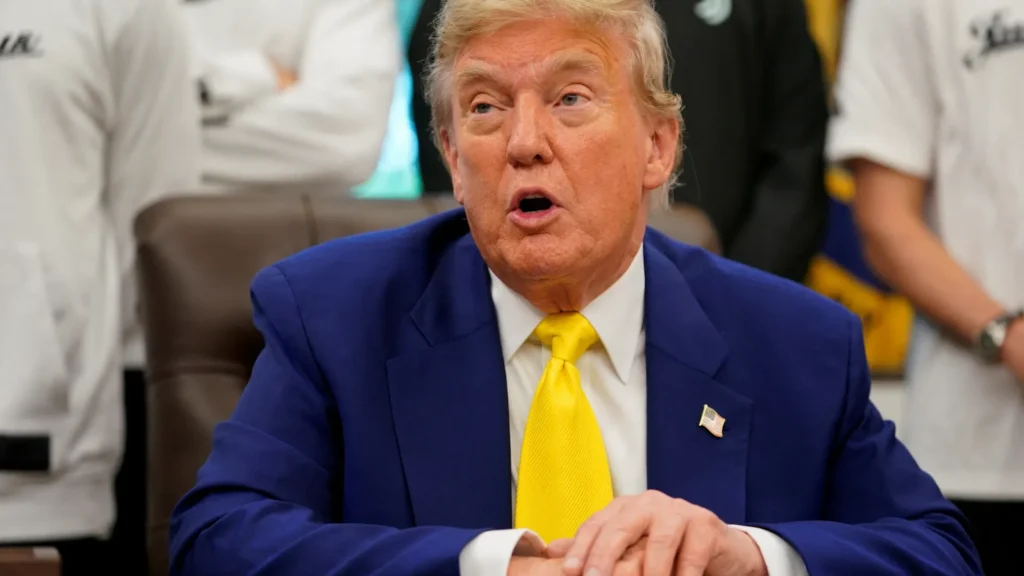
Trump stated that the United States had already achieved significant military objectives, suggesting that continued bombing could be paused to allow negotiations to advance. At the same time, he maintained that the ceasefire remains conditional and could collapse if Iran fails to comply with the agreed terms.
This balance between pressure and diplomacy reflects a familiar pattern in the conflict, where threats of escalation are often followed by last-minute negotiations.
A war on edge as global concerns grow
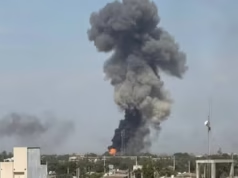
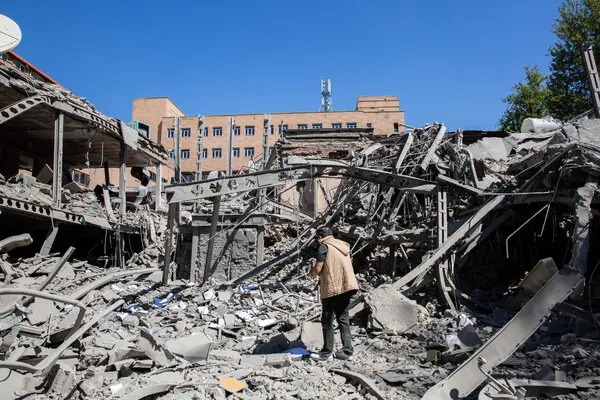
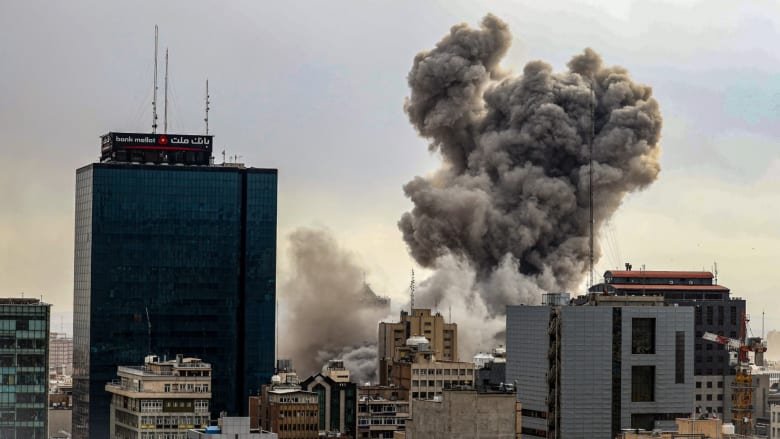
The decision to suspend bombing comes against the backdrop of a conflict that has already caused widespread destruction and rising casualties. Since late February 2026, coordinated strikes by the United States and Israel on Iranian targets have triggered retaliatory missile attacks across the region.
The situation has raised serious concerns among global leaders, humanitarian organisations, and legal experts. In recent days, warnings have intensified over the potential consequences of targeting civilian infrastructure, with some critics arguing that such actions could violate international law.
At the same time, economic pressure has been mounting globally. The partial closure of the Strait of Hormuz has disrupted oil supplies, sending shockwaves through international markets and increasing fears of a wider economic crisis.
Despite the temporary ceasefire, tensions remain high. Analysts warn that the two-week window is fragile and could easily collapse if negotiations fail or if either side resumes hostilities.
What the next two weeks could mean for the Middle East
The coming days are expected to be crucial in determining whether this pause leads to a broader peace agreement or simply delays further conflict. Reports suggest that Iran has already presented a multi-point proposal that could serve as the foundation for future negotiations.
For now, the ceasefire has created a rare opportunity for dialogue in a conflict that has been defined by rapid escalation. Diplomatic channels are expected to intensify, with the possibility of direct or indirect talks aimed at ending hostilities.
However, uncertainty still hangs over the process. Previous deadlines and ultimatums have often been extended, and there is no guarantee that this latest agreement will hold.
For countries across the Middle East and beyond, the stakes are extremely high. A successful negotiation could stabilise the region and ease global economic tensions. On the other hand, a breakdown could lead to an even more destructive phase of the war.
As the world watches closely, the two-week suspension of bombing represents both a pause in violence and a test of whether diplomacy can succeed where military force has so far failed.
Join Our Social Media Channels:
WhatsApp: NaijaEyes
Facebook: NaijaEyes
Twitter: NaijaEyes
Instagram: NaijaEyes
TikTok: NaijaEyes