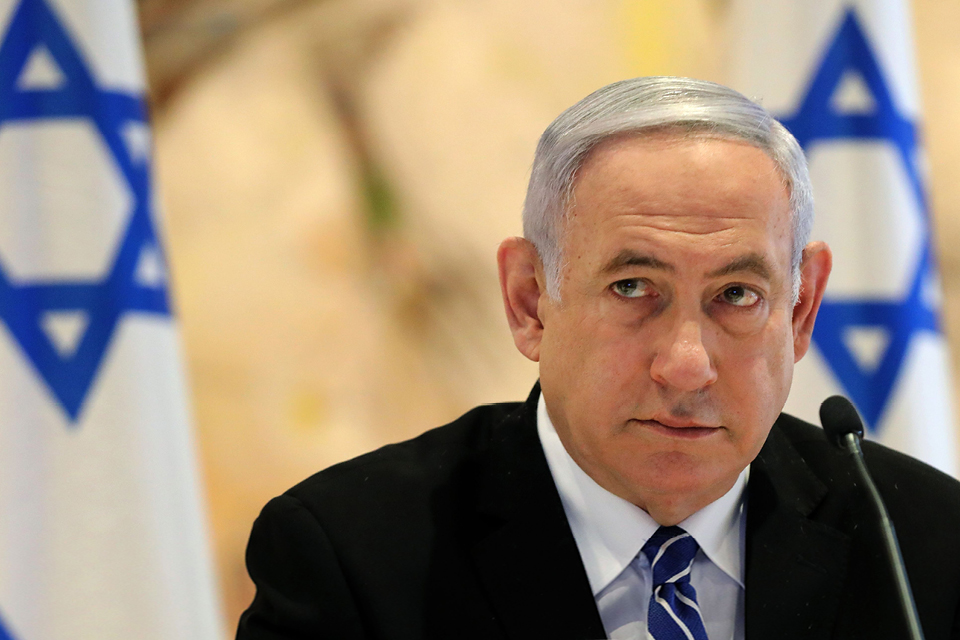

Since October 7, 2023, Israel has experienced a profound strategic and political transformation.
The Hamas assault and subsequent conflicts have not only hardened Israeli opposition to the establishment of a Palestinian state but have also fundamentally reshaped national perceptions of security and the country’s standing within the broader Middle East.
As the nation prepares for elections on October 27, the central questions extend beyond whether Prime Minister Benjamin Netanyahu and his coalition can retain power, focusing heavily on what the ballot box will reveal about the country’s long-term political trajectory after three years of war.
Against the backdrop of these elections, Israel continues to navigate a volatile and highly complex regional landscape.
What the upcoming election will reveal about the nation’s changing political environment remains a central question.
Would a new administration mark a shift in Israel’s strategy regarding Gaza, the West Bank, Lebanon, and the broader region, or would it essentially maintain the recent trajectory? Furthermore, how might the outcome influence Israel’s relationships with the United States, neighboring countries, and the Palestinians?
Israel’s election may change its leader, but not Iran war policy
According to regional analysts and policymakers, Israel’s upcoming election next week may result in a change of leadership without altering its broader strategic direction: Iran will remain its chief adversary, reliance on military power will continue as its preferred approach, and the establishment of a Palestinian state remains a distant prospect.
This continuity stems from the fact that the conflicts involving Gaza, Lebanon, and Iran, alongside the October 7, 2023 attacks on southern Israeli communities by the Palestinian militant group Hamas, have reinforced the core strategic assumptions driving Israeli policy.
Consequently, key capitals from Tehran to Riyadh view Tuesday’s vote not as a potential turning point, but rather as an assessment of whether the Middle East is entering an extended period of conflict where hostilities recur while the underlying causes stay unresolved.
Aviv Bushinsky, a former adviser to Netanyahu said, “If Netanyahu is elected, he’ll do whatever he thinks he wants to do, Expansion of the settlements will continue. The wars against Iran, Hamas and Hezbollah will continue.”
Read Also: Netanyahu Vows No ‘Iran-Controlled’ Palestinian State Under His Watch