ISWAP Sokoto US air strikes Questions trail focus of US air strikes
The confirmation of a major ISWAP logistics hub in Sokoto state has sent ripples through the Nigerian security community, especially as it coincides with a new era of direct military cooperation between Abuja and Washington. For those of us who have followed the evolution of the security crisis in the north west, this development is both a wake up call and a complicated puzzle.
It is no longer just about local banditry or cattle rustling; we are now looking at a sophisticated network where global terror franchises are finding a foothold in territories once considered outside their traditional orbit.
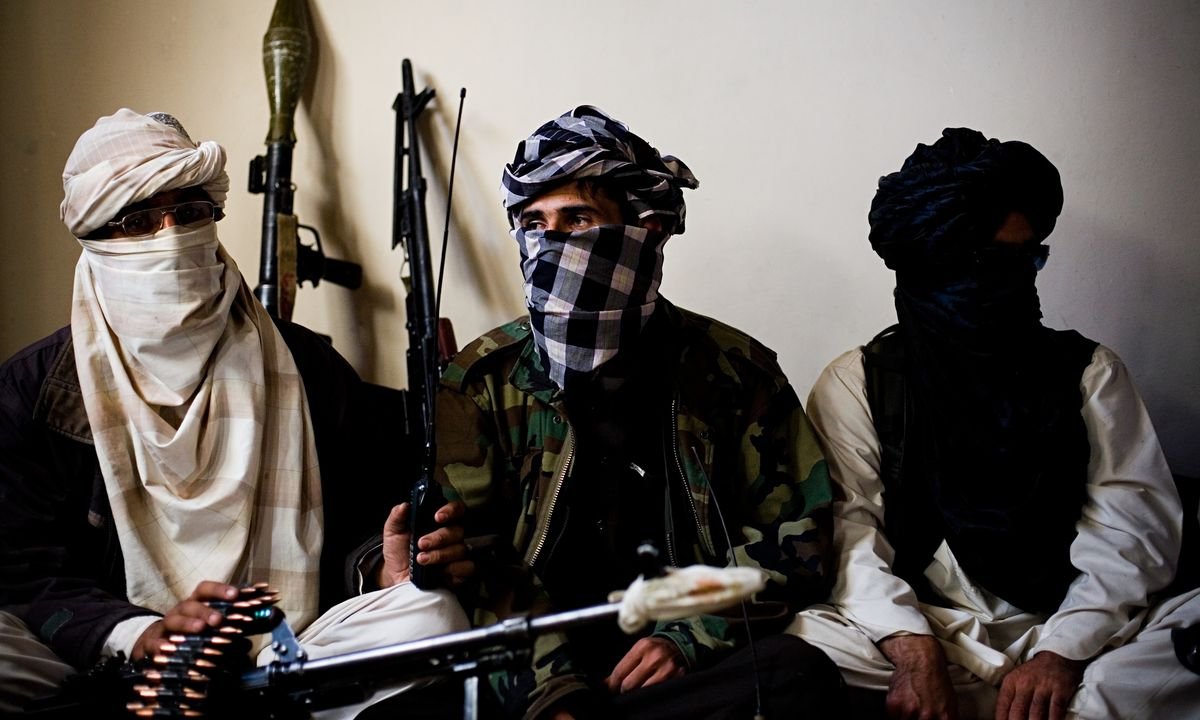
A recent study by the Combating Terrorism Centre has shed light on this shadowy expansion, revealing that the Islamic State West Africa Province is using the quiet corners of Sokoto to facilitate coordination with its Sahelian cousins.
As a professional editor looking at the state of the nation, the gravity of this situation cannot be overstated. We are witnessing a strategic shift where the north west is becoming a meeting point for different shades of extremism.
The presence of this ISWAP logistics hub Sokoto US air strikes focus is now at the heart of national discourse, especially following the recent aerial bombardment by American forces. While many Nigerians are relieved to see a more aggressive approach toward the terrorists, there is a lingering question about whether we are hitting the right targets or simply scratching the surface of a much deeper problem.
The Emergence of Sokoto as a Strategic Gateway for Global Terror
Sokoto has traditionally been known as the Seat of the Caliphate, a place of history and religious scholarship. However, the geographic proximity of the state to the borders of Niger Republic has made it an attractive transit point for non-state armed groups. The study confirms that ISWAP, which originally dominated the north east and the Lake Chad Basin, has successfully established a logistics base in Sokoto to bridge the gap between their operations in Nigeria and the Islamic State Sahel Province.
This is a significant escalation in the security architecture of the region, as it suggests that the terrorists are no longer just roaming the bushes but are building infrastructures for long term survival.
The reality on the ground for the residents of Sokoto and northern Kebbi is one of constant vigilance. The porous borders have allowed for the movement of fighters and supplies with alarming ease. By setting up a logistics hub in such a strategic location, ISWAP is able to coordinate the movement of arms, fuel, and personnel across the Sahelian belt.
This makes the recent intervention by the United States even more critical. The air strikes carried out by US forces at the request of the Nigerian government were aimed at dismantling these very networks, yet the complexity of the terrain and the fluid nature of these groups mean that the battle is far from over.
Unmasking the Lakurawa Identity and the ISWAP Connection
One of the most confusing aspects of the conflict in the north west has been the identity of the group locally known as the Lakurawa. For several years, they were seen as a distinct group of foreign militants from the Sahel who occasionally clashed with local bandits or imposed their own version of justice on rural communities. However, the recent study has unmasked the true face of the Lakurawa, linking them directly to the expansionist goals of ISSP and ISWAP.
It appears that these militants use the Lakurawa name as a convenient disguise to avoid the heavy scrutiny that comes with the ISIS brand while they go about their business of building a logistics base.
This tactical ambiguity is a classic move in the insurgent playbook. By blending in or using localized names, they manage to stay under the radar of the international community for as long as possible. The study highlights how these groups have moved from being mere affiliates of al Qaeda to becoming fully integrated into the Islamic State structure.
This evolution has turned the north west into a multi faceted war zone where the lines between criminal banditry and ideological terrorism have become blurred. Understanding this connection is vital for the success of any military operation, as it ensures that the fire power being deployed is actually hitting the ideological heart of the insurgency rather than just the peripheral criminal elements.
The Debate Over the Precision and Scope of US Air Power
The confirmation of US air strikes in Sokoto marks a turning point in our counter terrorism efforts, but it has also opened a floodgate of questions regarding the focus of these operations. While the Nigerian government has defended the request for American support as a necessary step to protect national security, some analysts are concerned about the scope of these strikes.
Are we focusing solely on the high profile ISIS targets while the local bandit gangs, who cause the most daily misery to the common man, continue to operate with impunity? The debate is not just about sovereignty but about the tactical efficiency of using foreign air power on domestic soil.
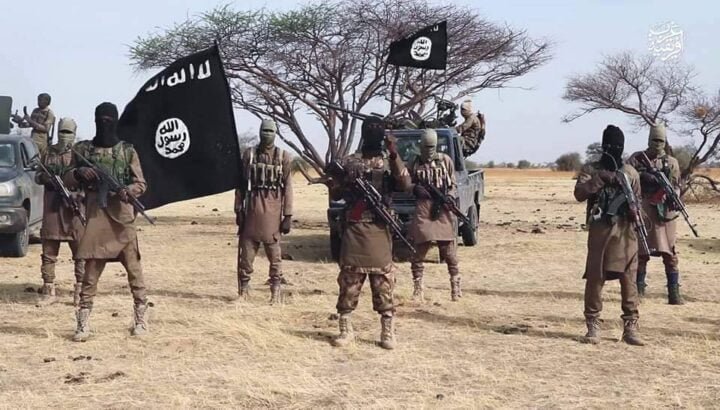
From a professional standpoint, the use of precision air strikes is a double edged sword. On one hand, it allows for the neutralisation of high value targets in inaccessible areas without the immediate risk to ground troops. On the other hand, air strikes alone cannot win a war that is deeply rooted in social and economic grievances.
There is also the concern that if the strikes are perceived as being focused only on “global” terror threats while ignoring the “local” bandits who kidnap and kill daily, the government might lose the vital support of the local population. The ISWAP logistics hub Sokoto US air strikes narrative must therefore be part of a broader, more inclusive security strategy that addresses all forms of violence in the north west.
Navigating the Complex Road Map for Northwest Security
Securing the north west will require more than just the roar of fighter jets in the sky. While the engagement of the United States provides a much needed boost in fire power and intelligence, the long term solution lies in our ability to govern the ungoverned spaces.
The confirmation of the ISWAP logistics hub in Sokoto is a symptom of a larger vacuum in border control and rural policing. To truly dismantle the terror network, the Nigerian state must reassert its presence in these border communities, providing not just security but also basic social services that make the empty promises of extremist groups less appealing.
As we look toward 2026, the success of the current operations will be measured by whether the logistics routes are permanently closed and whether the displaced farmers can return to their lands. The collaboration with the US is a powerful tool, but it must be matched by a robust internal reform of our own security forces.
We need a multi dimensional approach that combines kinetic strikes with effective border management and community engagement. The shadow of ISWAP in Sokoto is a reminder that the enemy is evolving, and our response must be equally sophisticated, transparent, and rooted in the protection of the lives and dignity of every Nigerian.
Join Our Social Media Channels:
WhatsApp: NaijaEyes
Facebook: NaijaEyes
Twitter: NaijaEyes
Instagram: NaijaEyes
TikTok: NaijaEyes