The Federal Government defended its proposed $21.7 billion supplementary external borrowing plan on Wednesday, framing the package as a strategic investment program rather than debt accumulation.
Briefing State House correspondents after President Bola Tinubu presided over the Federal Executive Council meeting in Abuja, Minister of Finance and Coordinating Minister of the Economy Taiwo Oyedele revealed that the previous administration printed over N30 trillion—exceeding $20 billion at the time—and noted that the country continues to absorb the resulting inflationary pressure.
During the meeting, Oyedele presented 10 memos on the economy, and the council approved every proposal.
His remarks coincide with growing criticism over Tinubu’s request for Senate approval to secure new foreign loans.
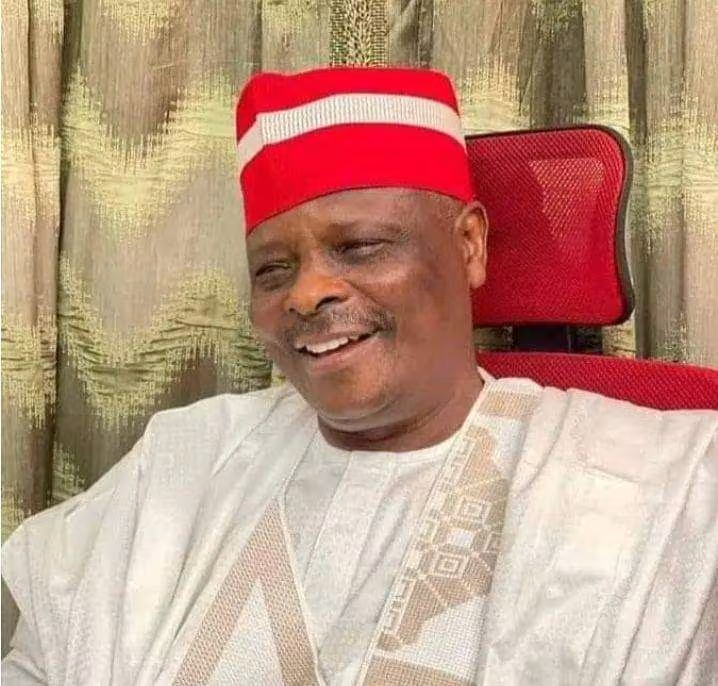
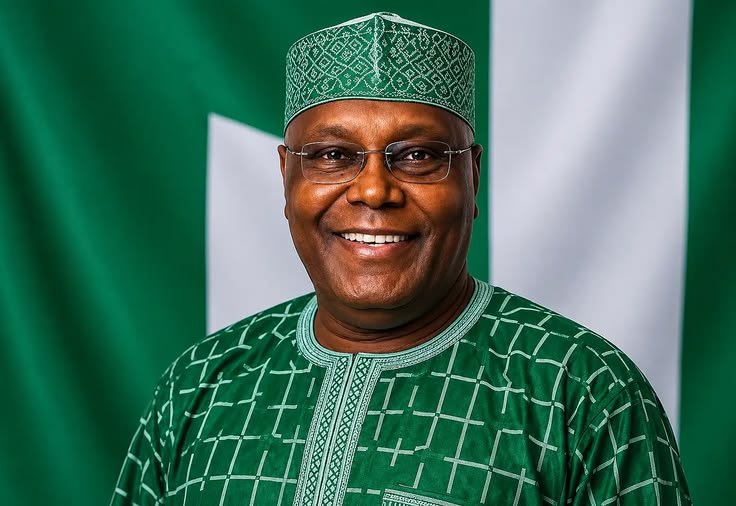
The African Democratic Congress (ADC) presidential candidate is at the fore front of the opposition against the borrowing proposal and urged the Senate to reject Tinubu’s application.
Responding to these critics, Oyedele clarified that the government intends to fund capital investments rather than simply accumulate debt.
He emphasized that the loans will finance high-yield projects designed to stimulate economic growth and improve living standards across Nigeria.
“This is investment, not borrowing,” he said.
Oyedele emphasized that observers should evaluate the proposed financing by the assets it creates and their economic returns, rather than viewing it strictly as additional debt.
He revealed that the plan allocates approximately $10.6 billion specifically to transportation infrastructure.
According to the minister, this funding will cover major capital projects, including the Kano-Kaduna rail line and both the Sokoto-Badagry and Lagos-Calabar coastal highways.
Backstory…
On October 27, President Bola Tinubu requested Senate approval for €1.045 billion and $20.52 billion in external loans under the 2026–2027 Supplementary External Borrowing Plan.
Tinubu stated that the proposed loans will fund major projects across infrastructure, agriculture, healthcare, education, water supply, security, job creation, and financial management reforms.
He wrote, “I want to emphasise that the projects and programmes included in the Borrowing Plan were selected based on thorough technical and economic evaluation, as well as their anticipated contribution to the socio-economic development of the country.”
Read Also: Tinubu Moves to Secure Additional $20.5bn, €1.04bn in Fresh Loans