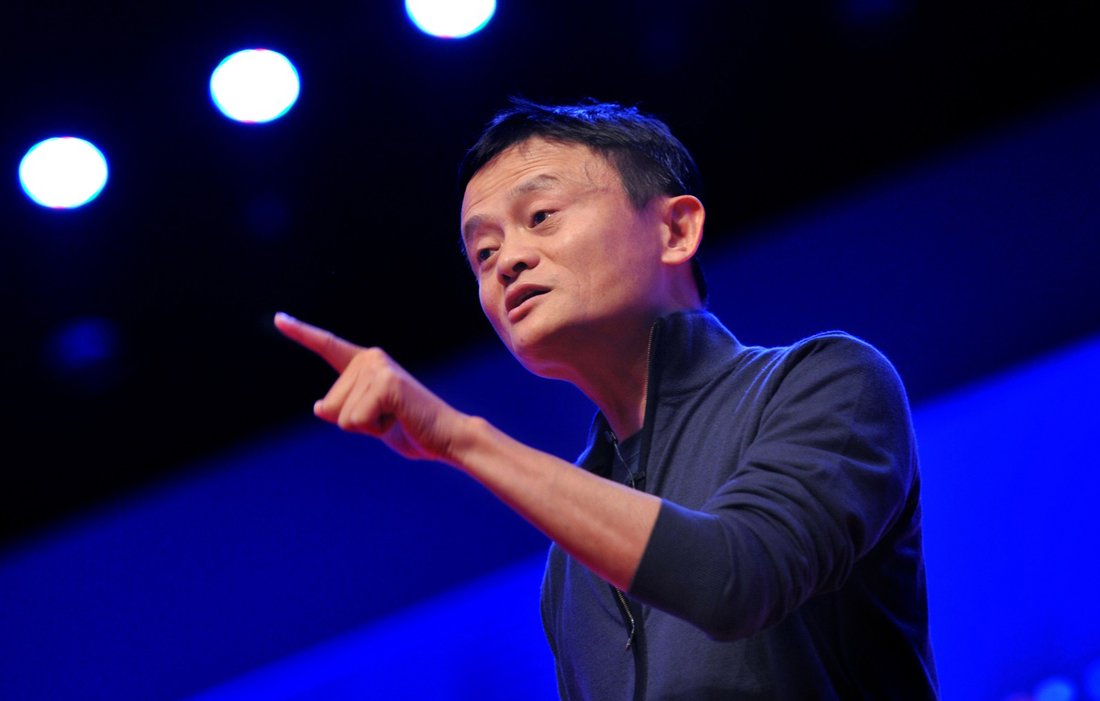
In a conversation that has sparked fresh global attention, Alibaba founder Jack Ma has urged a fundamental rethink of how education systems prepare young people for life in a world shaped by artificial intelligence. Speaking at a virtual event hosted by a rural education charity, Ma argued that the pressing question for schools today is not whether children should interact with AI but how they should learn to do so meaningfully and responsibly. This perspective marks a departure from traditional debates about technology in classrooms and highlights a shift towards embracing AI as an integral part of learning for the next generation.
Ma’s comments strike at the heart of one of education’s biggest contemporary debates. With AI tools becoming more accessible every day, parents, teachers and policymakers around the world are asking hard questions about what children need to learn to thrive. For Ma, the answer lies not in resisting AI but in teaching students to work with it. His message is clear: the future of education demands a blend of human creativity and technological fluency.
This isn’t the first time Ma has weighed in on the future of learning. Over the years, the tech veteran has repeatedly emphasised that education must adapt to changing realities or risk leaving children unprepared for the world that awaits them. Now, as AI reshapes job markets and everyday life, his vision for education has taken on new urgency.
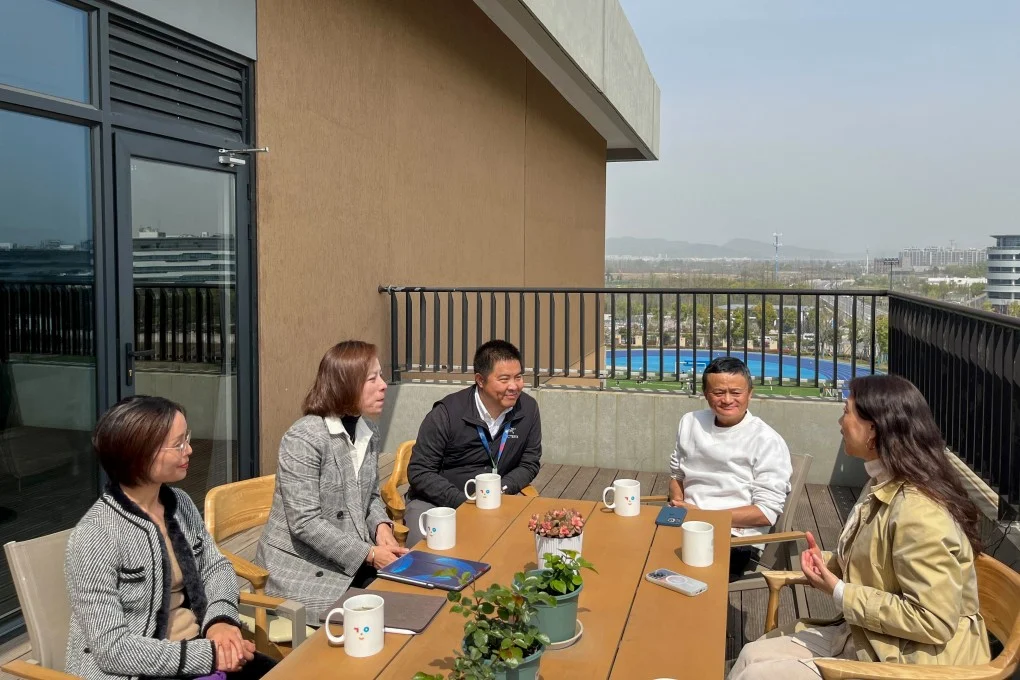
Table of Contents
From Rural Classrooms to Global Conversations
Ma made these remarks while participating in an online event for a foundation focused on improving education in rural areas. He acknowledged that integrating AI into classrooms presents particular challenges in communities with limited resources. Not every school has stable internet access or modern devices, yet Ma believes that even in these contexts, educators and leaders must find ways to introduce AI concepts and tools.
The Alibaba founder sees this not just as a technical challenge but as a chance to return education to its core purpose. Rather than training students to memorise facts or perform repetitive tasks, he says schools should prioritise skills that machines cannot replicate easily. “In the AI era, the question is no longer whether to use AI, but how to teach our children to use it well,” Ma commented.
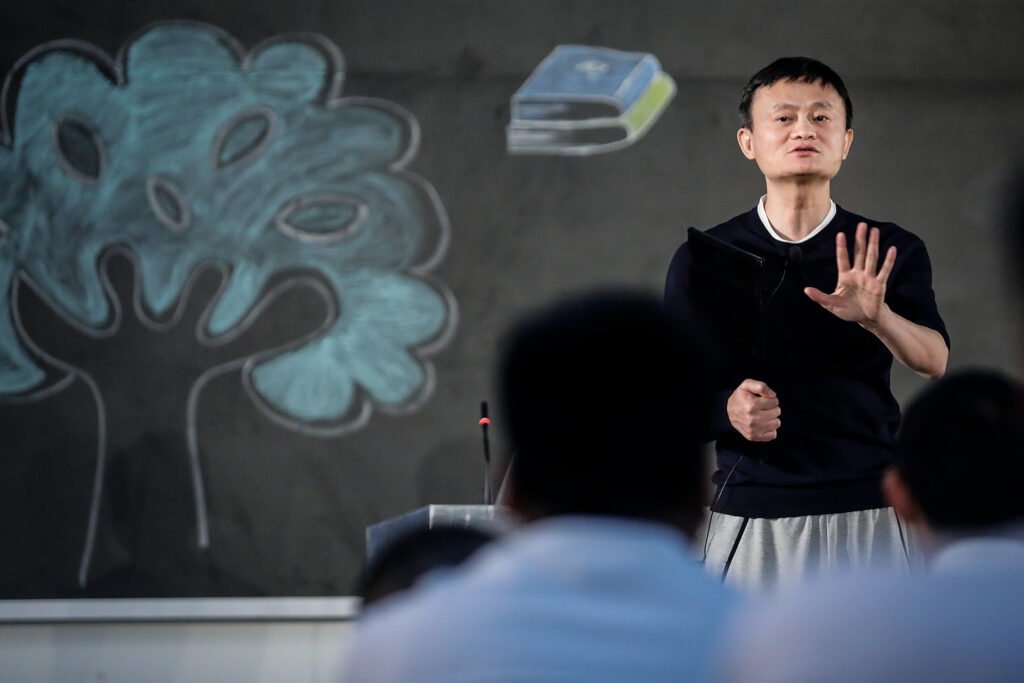
He pointed out that many rural schools are still using outdated teaching models that emphasise rote learning and standardised testing. While AI tools can help with basic skills like calculation and memorisation, these are areas where machines already outperform humans. Instead, Ma insists, education should nurture curiosity, imagination, creativity, judgment and collaboration, traits that will help young people succeed alongside advancing technology.
For rural teachers, this call to action could mean adopting new teaching methods, restructuring lessons to focus less on repetition and more on exploration, and gradually incorporating AI tools into everyday classroom work. It also suggests a need for investment in teacher training so that educators feel confident guiding students in this new learning environment.
Education Must Evolve for the Future
Ma’s vision for education contrasts sharply with the traditional model that has dominated classrooms around the world for generations. In many places, curricula are still built around memorising information and preparing for standardised tests. But as AI tools like chatbots, language models and automated tutors become commonplace, these old methods are increasingly irrelevant.
At the same time, countries around the world are experimenting with ways to teach children about AI and technology from a young age. In some education systems, young learners are introduced not only to computer basics but also to concepts such as ethical use of AI, machine learning fundamentals and creative problem solving with technology. These approaches reflect a broader shift towards preparing students for a future in which digital fluency is as essential as reading and writing.
Ma’s comments resonate with this trend but go a step further by urging educators to rethink the very goals of schooling. Rather than seeing technology as a threat, he wants schools to prepare students to use it as a tool to expand human potential. “The real divide in the AI age is not a technological gap, but a gap in curiosity, imagination and creativity,” he said. This idea highlights the belief that success in the modern world will come to those who can combine human ingenuity with technological adeptness.
Experts in education and workforce development have long warned that traditional schooling may not equip students with the skills needed for the 21st century. According to research on the future of work, tasks that can be automated are gradually being taken over by machines, making room for new roles that emphasise innovation and human interaction. In this context, teaching children how to think critically and solve complex problems becomes essential.
Ma’s remarks also echo a broader conversation about soft skills being central to future success. Creativity, teamwork, empathy and adaptability are qualities that AI tools cannot easily reproduce. These human traits will remain invaluable in jobs that require emotional intelligence and strategic thinking, from entrepreneurship to leadership roles in technology and business.
Join Our Social Media Channels:
WhatsApp: NaijaEyes
Facebook: NaijaEyes
Twitter: NaijaEyes
Instagram: NaijaEyes
TikTok: NaijaEyes
READ THE LATEST EDUCATION NEWS