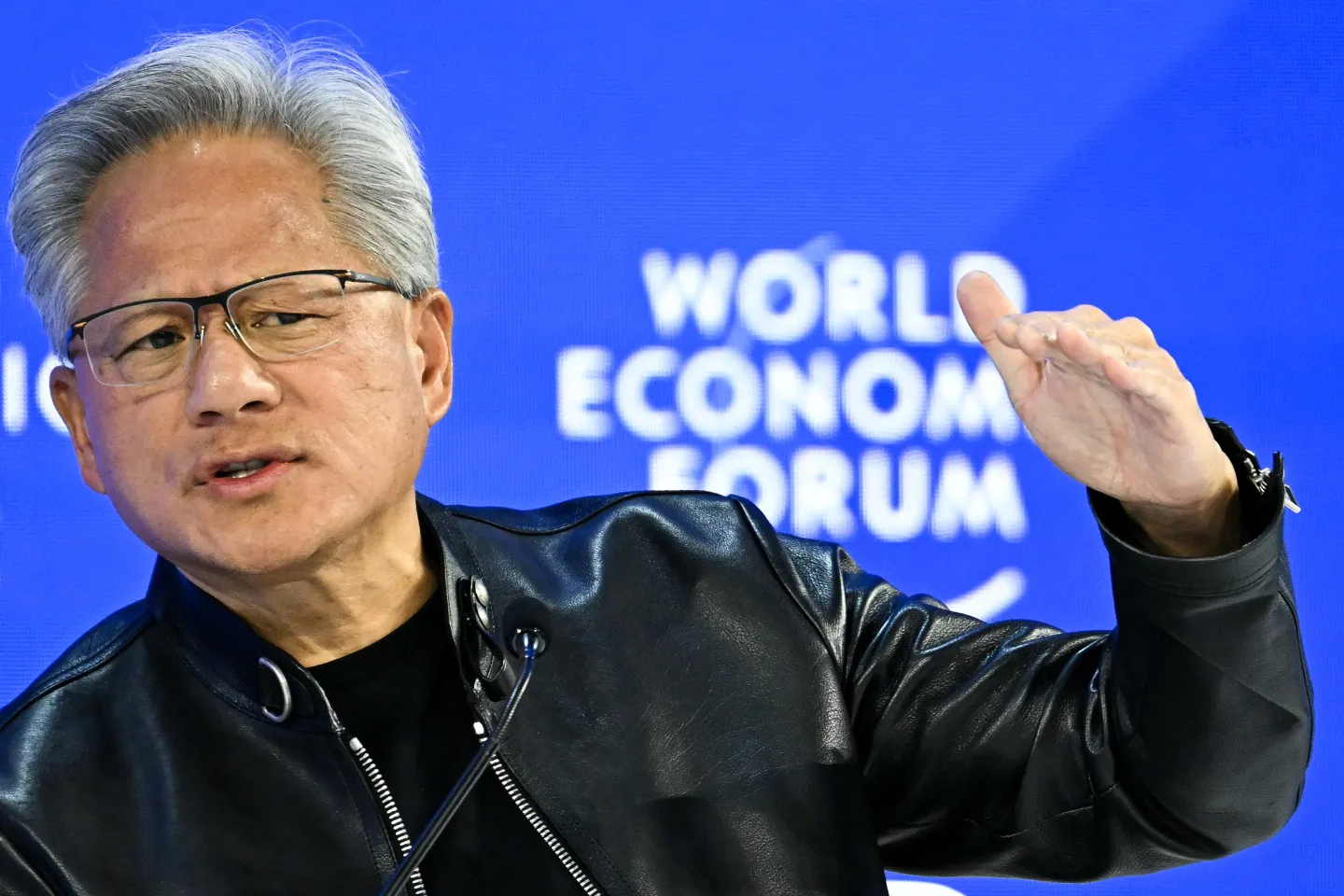
In a frank and forward-looking interview that aired on a major U.S. business channel this week, Nvidia’s chief executive officer, Jensen Huang, stated that the rapid expansion of artificial intelligence technology is still in its infancy. He made it clear that this shift in the tech landscape is not a short-lived trend but a deep and lasting transformation that will unfold over many years. Huang’s comments have already sparked fresh debate in global tech and investment circles, underscoring the scale of change ahead for industries worldwide.
According to Huang, the so-called AI boom is only just starting and will reach far beyond what many people think. He stressed that even though we are seeing huge growth in AI projects, this is really just the beginning of a journey that could last a decade or more. By his assessment, the computing power the world will eventually need for advanced AI far exceeds what is being built today.
A Decade of Investment and Buildout
Huang’s vision for the future of AI emphasises years of investment and construction. He said that while big computing installations and data centres are already underway, they represent only a small portion of what will ultimately be needed. In his words, the amount of computation that can be handled today or even next year is tiny compared with what the future demands. This means governments, technology companies, and infrastructure providers will need to plan for far more expansive projects than exist at present.
The Nvidia boss explained that artificial intelligence involves many layers of technology, including energy systems, chip production, sophisticated data models and applications that use these tools. Every layer represents economic activity, jobs and industry growth. He used a simple analogy to describe the complexity of AI’s value chain, saying the system is like a layered cake where each part plays a unique role for the whole.
Huang’s comments echo broader industry picks showing that enterprises are already shifting massive spending into AI infrastructure. Global investment in data centres, AI platforms and related technologies continues to climb as companies race to build their digital capacity, especially in areas like cloud computing, analytics and machine learning.
Implications for Jobs and the Workforce
The top executive did not shy away from the social implications of this transformation. He noted that while some jobs may become obsolete as AI systems become more advanced, many new roles will also be created. In fact, he highlighted that AI is generating employment opportunities across multiple sectors, including factories, computer hardware production, and trade skill positions tied to building and maintaining AI infrastructure.
Huang encouraged a broad perspective on the labour market changes ahead. Instead of focusing narrowly on job titles today, he asked people to think about the tasks and purpose of jobs in an AI era. This approach could help workers and employers adapt to new forms of work, many of which will be shaped by automation and intelligent systems.
This balanced view reflects the increasing belief among some technology leaders that AI can be a productivity booster, helping create new opportunities even as it alters how work is done. Reports from the wider tech sector show that discussions about AI’s effect on employment are now central to policy debates as countries try to manage this shift responsibly.
Global Competition and Future Opportunities
Huang also pointed to the global nature of the AI competition. He said industries and nations around the world have a chance to develop leadership in this space. To secure future advantages, countries will need to invest in skills, infrastructure and digital industries that support AI.
He also expressed concerns about barriers that exclude the United States from some important markets, particularly in China. Huang described those exclusions as counterproductive and argued that global engagement could benefit both technology development and economic growth. His remarks highlight the ongoing tension in global tech trade policy, where access to certain regions has been restricted by regulatory decisions.
The world’s largest AI technology companies have increasingly focused on building partnerships to expand their reach and accelerate innovation. Nvidia, for example, continues to work with major AI research groups and cloud service providers to supply the powerful chips and systems that drive modern machine learning tools.
What This Means for Technology Adoption
For everyday users and businesses outside of elite tech hubs, Huang’s message suggests that AI will play an increasingly central role in life and work. From smartphones to industry software, systems powered by AI are expanding into new areas.
Already today, artificial intelligence is being used to enhance search engines, recommend products online, automate routine business tasks, and even help make medical diagnoses. But according to Huang, these are just early examples. He believes that AI’s integration into daily life will deepen even further, touching sectors such as energy management, transport systems, education tools and financial services.
Much of this growth will be driven by firms trying to gain a competitive edge through technology. The CEO’s comments underline that organisations embracing AI now may be better positioned to benefit from future advances, even as the wider economy evolves.
A Big Picture View of AI’s Future
While optimism about technological progress is common among Silicon Valley leaders, Huang’s long horizon and focus on infrastructure investments paint a picture of sustained change rather than a fast-burning hype cycle. His remarks encourage investors, policymakers and business leaders to see artificial intelligence as a foundational shift in the global economy, not just a momentary trend.
This outlook comes at a time when industry watchers continue to follow Nvidia’s earnings, stock performance and partnerships closely. The company’s financial results and collaborations with other tech giants often serve as a barometer for the health of the broader AI market.
Nvidia’s CEO believes the AI revolution is still gaining traction and that the best days for the industry lie ahead. His view encourages a long-term perspective on artificial intelligence and its potential to reshape economies and societies in the years to come.
Join Our Social Media Channels:
WhatsApp: NaijaEyes
Facebook: NaijaEyes
Twitter: NaijaEyes
Instagram: NaijaEyes
TikTok: NaijaEyes