
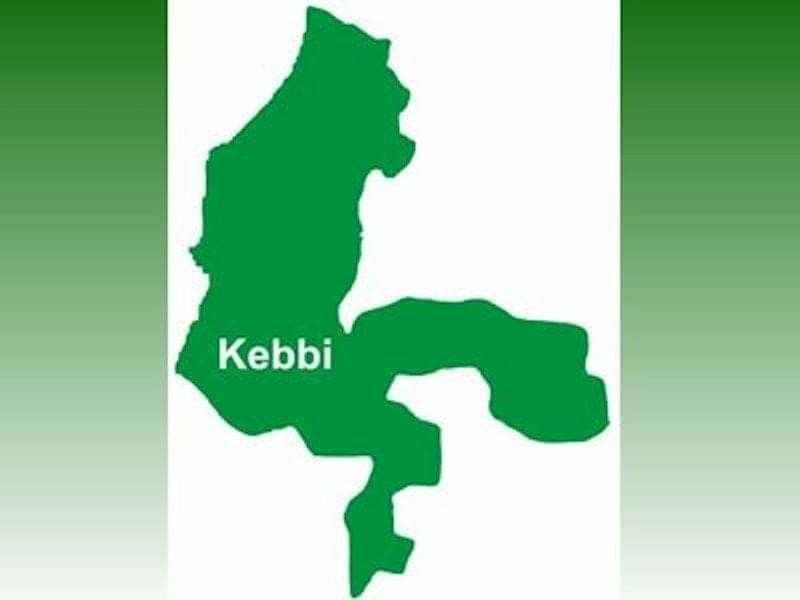
The Kebbi inland dry port is set to open fully after presidential approval. President Bola Tinubu approved full operation of the Tsamiya Inland Dry Port on Tuesday, November 17, Nairametrics reported. A State House statement called the facility “strategic towards boosting the state’s economy.” The announcement came at a campaign rally in Birnin Kebbi.
What did the President approve for the Kebbi inland dry port?
Governor Nasir Idris asked for the approval. The State House said he thanked the President and pledged support for his re-election bid.
The port is meant to improve trade and logistics. It should offer cargo and logistics services to businesses in Kebbi and nearby states. It would also link the state to the wider national trade network.
However, key details are missing. No cost, start date or timeline was given. The statement also does not explain why the port was not fully operational before.
Why have Nigeria’s dry ports struggled before?
To understand the news, look back to 2006. That March, the Federal Executive Council approved inland dry ports at six places: Isiala Ngwa, Ibadan, Jos, Funtua, Maiduguri and Kano. The Nigerian Shippers’ Council led the plan. It used private partners under a build, own, operate and transfer model.
Also read State Police: Ekiti, Kebbi, Nasarawa, 12 others endorse bill, tally hits 15
Progress was slow. Funding gaps, land disputes and insecurity delayed several sites. Kaduna opened in 2018, and Kano was commissioned in January 2023. Even then, problems remained.
The managing director of the Kano port, Ahmad Rabiu, explained the early difficulties. “The whole concept of dry port is new; therefore there were bottlenecks at every turn on the way,” he said. In Kaduna, the general manager said the missing rail link “has significantly affected its operations.”
Who now oversees inland dry ports?
The federal government has since moved responsibility for inland dry ports from the Shippers’ Council to the Nigerian Ports Authority (NPA). The aim is to join them to the national port network.
The NPA is led by Dr Abubakar Dantsoho. President Tinubu named him managing director in July 2024, replacing Mohammed Bello-Koko. Dantsoho holds a doctorate in maritime technology from Liverpool John Moores University and a master’s in international transport from Cardiff University. He rose through the NPA’s own ranks. His past roles include port manager at Onne.
Can a dry port really ease pressure on the seaports?
The need is clear. The NPA’s 2025 report shows cargo through Nigerian ports rose 24.8% to 129.3 million tonnes. Lekki Deep Sea Port alone handled 40.6% of it.
A dry port inland can help. Goods can be cleared closer to the buyer, which should reduce truck trips and congestion at the coast. For northern traders, it could also cut delays and costs.
Still, the earlier projects offer a warning. Without good roads, rail links and fast clearance, a dry port can sit half empty. So the real test of the Kebbi inland dry port will come after the ribbon is cut. Traders will want to see cargo moving, not just an approval.
Kebbi Inland Dry Port Gets Presidential Approval to Open Fully
The Kebbi inland dry port is set to open fully after a presidential approval. President Bola Tinubu approved full operation of the Tsamiya Inland Dry Port on Tuesday, November 17, Nairametrics reported. A State House statement called the facility “strategic towards boosting the state’s economy.” The announcement came at a campaign rally in Birnin Kebbi.
What did the President approve for the Kebbi inland dry port?
Governor Nasir Idris asked for the approval. The State House said he thanked the President and pledged support for his re-election bid.
The port is meant to improve trade and logistics. It should offer cargo and logistics services to businesses in Kebbi and nearby states. It would also link the state to the wider national trade network.
However, key details are missing. No cost, start date or timeline was given. The statement also does not explain why the port was not fully running before.
Why have Nigeria’s dry ports struggled before?
To understand the news, look back to 2006. That March, the Federal Executive Council approved inland dry ports at six places: Isiala Ngwa, Ibadan, Jos, Funtua, Maiduguri and Kano. The Nigerian Shippers’ Council led the plan. It used private partners under a build, own, operate and transfer model.
Progress was slow. Funding gaps, land disputes and insecurity delayed several sites. Kaduna opened in 2018, and Kano was commissioned in January 2023. Even then, problems remained.
The managing director of the Kano port, Ahmad Rabiu, explained the early difficulties. “The whole concept of dry port is new; therefore there were bottlenecks at every turn on the way,” he said. In Kaduna, the general manager said the missing rail link “has significantly affected its operations.”
Who now oversees inland dry ports?
The federal government has since moved responsibility for inland dry ports from the Shippers’ Council to the Nigerian Ports Authority (NPA). The aim is to join them to the national port network.
The NPA is led by Dr Abubakar Dantsoho. President Tinubu named him managing director in July 2024, replacing Mohammed Bello-Koko. Dantsoho holds a doctorate in maritime technology from Liverpool John Moores University and a master’s in international transport from Cardiff University. He rose through the NPA’s own ranks. His past roles include port manager at Onne.
Can a dry port really ease pressure on the seaports?
The need is clear. The NPA’s 2025 report shows cargo through Nigerian ports rose 24.8% to 129.3 million tonnes. Lekki Deep Sea Port alone handled 40.6% of it.
A dry port inland can help. Goods can be cleared closer to the buyer, which should reduce truck trips and congestion at the coast. For northern traders, it could also cut delays and costs.
Still, the earlier projects offer a warning. Without good roads, rail links and fast clearance, a dry port can sit half empty. So the real test of the Kebbi inland dry port will come after the ribbon is cut. Traders will want to see cargo moving, not just an approval.
Sources:
- Nairametrics, Tinubu approves full operationalisation of Kebbi Inland Dry Port (November 18, 2026)
- State House, President Tinubu approves Kebbi inland dry port
- Shipping Position, 17 years after FG approval, multi billion inland dry ports struggle to survive
- Deji Elumoye, Tinubu appoints Abubakar Dantsoho as NPA managing director (July 2024)