In a sharply worded press briefing in Birnin Kebbi, a coalition of civil society organisations (CSOs) labelled the recent abduction of 25 schoolgirls in Kebbi State as a deliberate assault on education and the future of young women. The CSOs’ chairman, Ibrahim Ngaski, described it as a “direct attack on the safety, education and future of our children,” calling for urgent, coordinated action to rescue the girls and protect other vulnerable schools
Security Gaps Under Scrutiny After Kebbi Schoolgirls Abduction
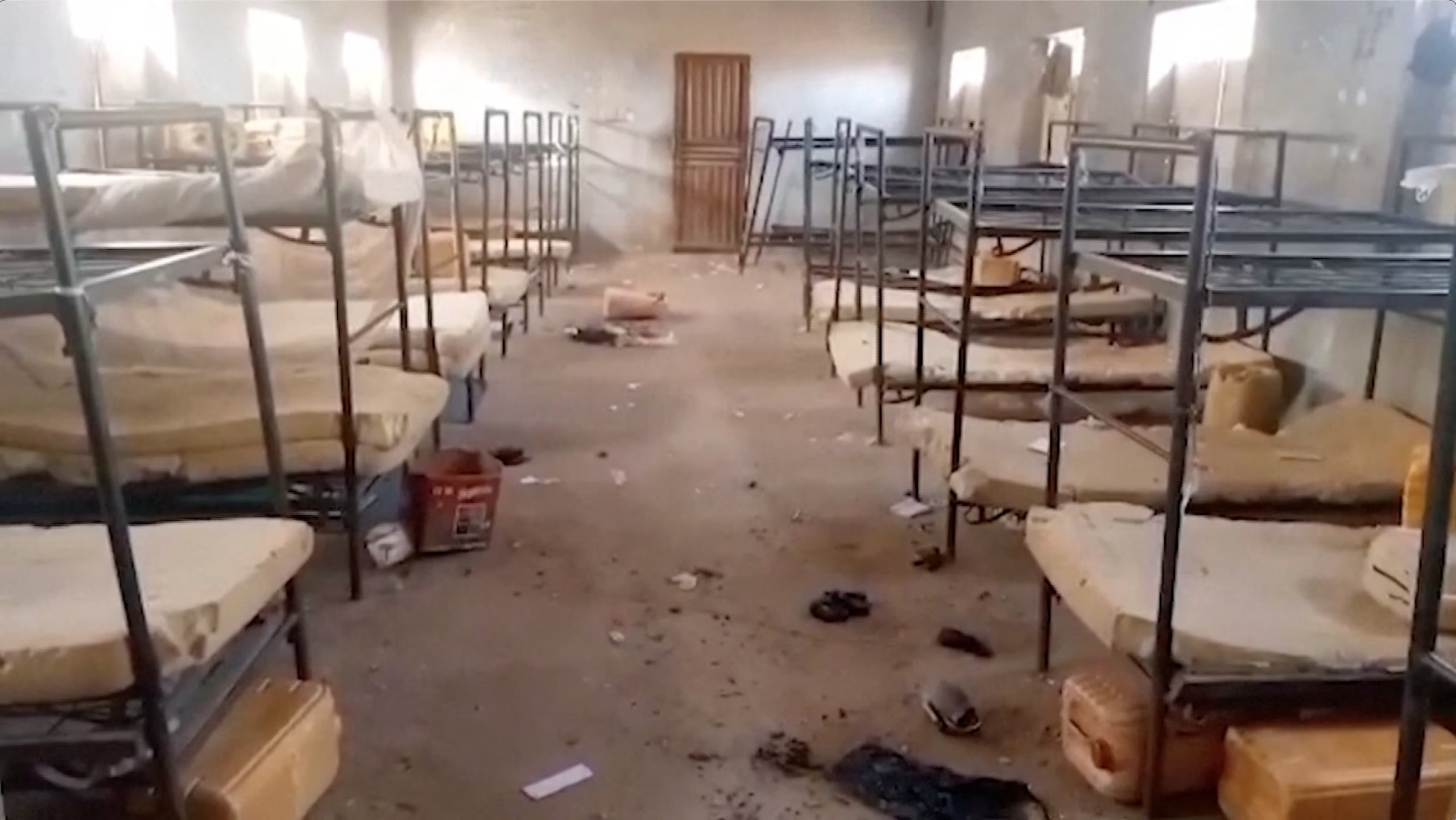
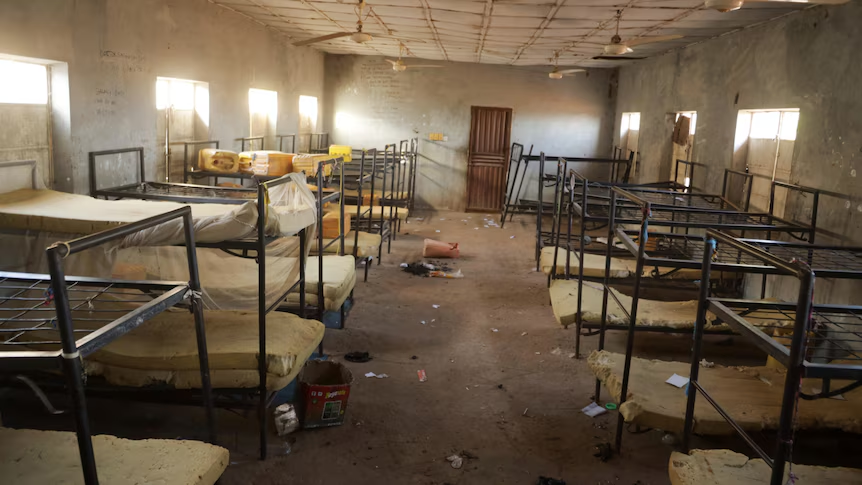
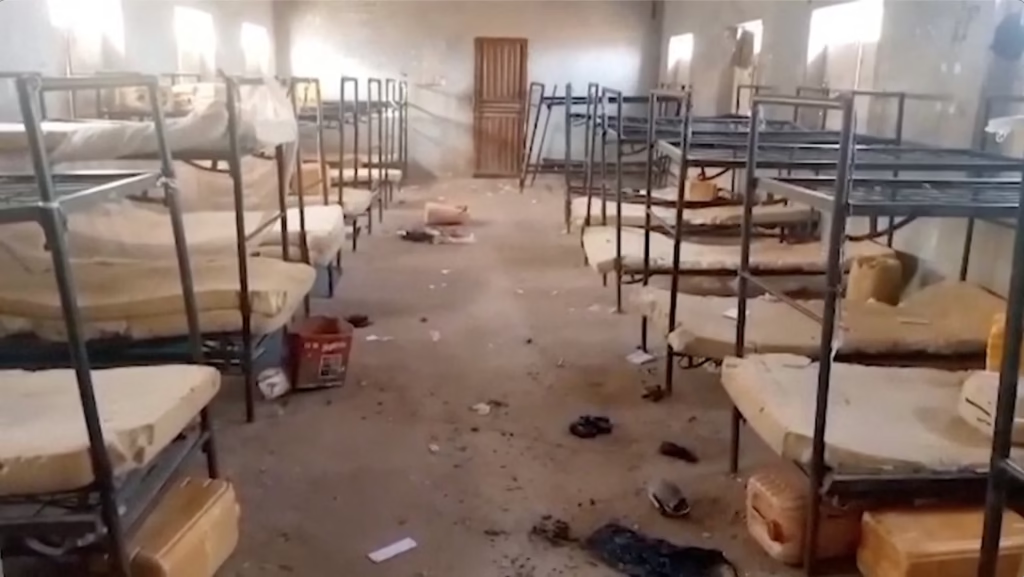
The abduction occurred at Government Girls Comprehensive Secondary School in Maga, Danko-Wasagu LGA, when heavily armed assailants raided the boarding facility, killing the vice-principal, Malam Hassan Yakubu Makuku, who reportedly tried to defend his students. Local sources say the attackers scaled the school fence, opened fire, and dragged the girls away.
Shockingly, this was not the first warning. Governor Idris revealed that credible intelligence from the State Security Service (SSS) had alerted authorities to a possible attack — yet, according to him, security personnel abandoned their posts shortly before the strike. A security expert, Yahuza Getso, echoed the sentiment, calling the neglect “a total compromise” and “deliberate negligence,” claiming he made repeated distress calls even as the raid unfolded.
CSOs, including Ngaski’s coalition, say the timing and circumstantial intelligence make it hard to view this as mere criminality. They argue this is more than an isolated gang raid — it’s part of a systematic attempt to destabilise educational development in the region.
Widespread Condemnation and Calls for Action
The abduction has mobilised a broad front of voices demanding urgent action and systemic reforms. The National Orientation Agency (NOA) strongly condemned the incident, emphasising that no child seeking education should live in fear.
Jama’atu Nasril Islam (JNI), led by the Sultan of Sokoto, described the event as “heartless, tragic and utterly avoidable,” drawing painful parallels with past mass kidnappings in Chibok, Dapchi, Kankara, and Kagara. The JNI criticised what it sees as poor coordination among security agencies, saying boarding schools in remote areas remain dangerously exposed.
The National Association of Nigerian Students (NANS) also expressed heartbreak over the attack. Their president, Olushola Oladoja, called the incident devastating, lamenting that it came on International Students’ Day — a day meant to celebrate students, not mourn them.
On the international front, Save the Children warned that such recurring attacks on learning institutions not only traumatise children but threaten Nigeria’s collective future. They urged the government to scale up early-warning systems, strengthen rapid response mechanisms, and fully implement policies aimed at creating safer schools.

Recommendations and the Way Forward
During their briefing, the CSOs proposed a multifaceted response aimed at preventing future tragedies and restoring trust in the education system:
- Intensify Search & Rescue Operations
The immediate priority is the safe return of the abducted girls. The CSOs are pressing both state and federal governments to mobilise all available security resources until the students come back home safely. - Relocate Vulnerable Boarding Schools
According to the coalition, schools in remote or high-risk areas should be moved or upgraded to more secure environments. This measure, they argue, will reduce unnecessary exposure and lower the risk of repeat attacks. - Strengthen Community Engagement
The CSOs call for greater dialogue with local leaders and stakeholders to build resilience, encourage prevention initiatives, and embed peace-building at the grassroots level. - Expand Psychological Support
They urge immediate psychosocial care for the victims’ families to help them heal from trauma, even before rescue operations conclude. - Implement Safe Schools Initiatives Fully
The coalition reminded the government that Kebbi State previously benefited from the World Bank’s AGILE Project under the Safe Schools Initiative. They say it’s time to fully activate and properly fund these protections. - Improve Security Coordination
A regional partnership is recommended — especially between Kebbi, Sokoto, Zamfara, and Niger states — to boost intelligence sharing, strengthen surveillance, and ensure proactive protection of schools. - Support Security Agencies
The CSOs also urged the government to support security agencies and local vigilante groups more robustly, investing in training and resources to improve their effectiveness around schools. - Amplify Solidarity
They called on the international community, media, and Nigerian citizens to remain committed to justice and child protection — urging them to stand with affected families and demand accountability.
The Kebbi Schoolgirls Abduction Points to a Systemic Challenge
The abduction of the Kebbi schoolgirls is being cast by civil society not as an isolated criminal attack, but as a systemic and deeply worrying challenge to educational development in Nigeria’s northwest. The broad-based condemnation reflects the urgency of restoring trust in the state’s capacity to protect its most vulnerable students. Without decisive action, both to rescue those taken and to safeguard schools, communities risk being gripped by fear, and schooling in remote areas may continue to suffer.
Join Our Social Media Channels:
WhatsApp: NaijaEyes
Facebook: NaijaEyes
Twitter: NaijaEyes
Instagram: NaijaEyes
TikTok: NaijaEyes
READ THE LATEST EDUCATION NEWS