In the early days of 2020, Qhala was born out of a vision sketched by Dr. Shikoh Gitau—an accomplished Kenyan computer scientist and former head of innovation at Safaricom—over a casual coffee: to harness technology in improving millions of African lives. She saw firsthand that too many organisations lacked the right blend of local insight, strategy, and capacity to fully embrace digital transformation. Off-the-shelf solutions often ignored cultural contexts or lacked research backing, leading to misaligned implementations. This realisation spurred the creation of a firm committed to bespoke, research-driven digital innovation.
With that singular mission, Qhala has grown into a trusted partner for governments, NGOs, and corporates across Africa. Its offerings span bespoke digital consulting, AI policy development, innovation programmes, hackathons, and more—anchored by research and tailored to the needs of Africa’s fast-evolving landscape.
Table of Contents
Key Milestones: COVID-19 Platform, iHelix, AI Policy
Qhala’s early breakthrough came with Kenya’s COVID-19 modelling platform—developed in partnership with the Ministry of Health and the University of Nairobi. This tool became invaluable for Kenyan policymakers, who used real-time data to guide decisions amid a fast-moving crisis. As Dr. Gitau describes it, the dashboard was a “game-changer” that affirmed Qhala’s model of combining innovation with strategic insight.
Building on that momentum, Qhala developed iHelix—a corporate–startup collaboration platform that fosters innovation from within. Backed by UK-Kenya Tech Hub and supported by the UK government, iHelix 2.0 now powers programmes in organisations like Safaricom, Kenya Airways, Stanbic Zambia, AAR, Britam, and Nation Media Group.
Beyond platforms, Qhala is actively shaping AI policy and digital governance—helping drive initiatives like the Africa AI Declaration. This work underscores its broader commitment to building responsible, inclusive, and locally-grounded innovation ecosystems.
A Truly African Footprint with Global Partnerships
Although Qhala is headquartered in Kenya, its influence spans the continent—and beyond. It has executed projects across Nigeria, Rwanda, Cameroon, Uganda, South Africa, Zambia, Malawi, Botswana, as well as in the UK and US. This expansive reach demonstrates Qhala’s ability to adapt and deliver digital solutions that resonate across diverse environments.

Qhala funds its operations through consulting and programme contracts. Its partners include heavyweights like the Gates Foundation, Huawei, Microsoft, Amazon Web Services, Afri-Exim Bank, AfTCA, Britam, and Caribou Digital.
Launching Qhala amid the COVID-19 outbreak was both a blessing and a burden. While the pandemic highlighted the pressing need for digitalisation, many institutions were woefully unprepared—hampered by shaky infrastructure, slow policy frameworks, and low trust in new consultancy models. Overcoming these hurdles demanded patience, proving the value of an experimental and iterative approach rooted in African realities.
Qhala in the Broader African Digital Ecosystem
Qhala doesn’t simply supply tools—it builds ecosystems. Through its three pillars—QLab, Qubit Hub, and Q Trust—the firm strives to nurture innovation and collaborative capacity.
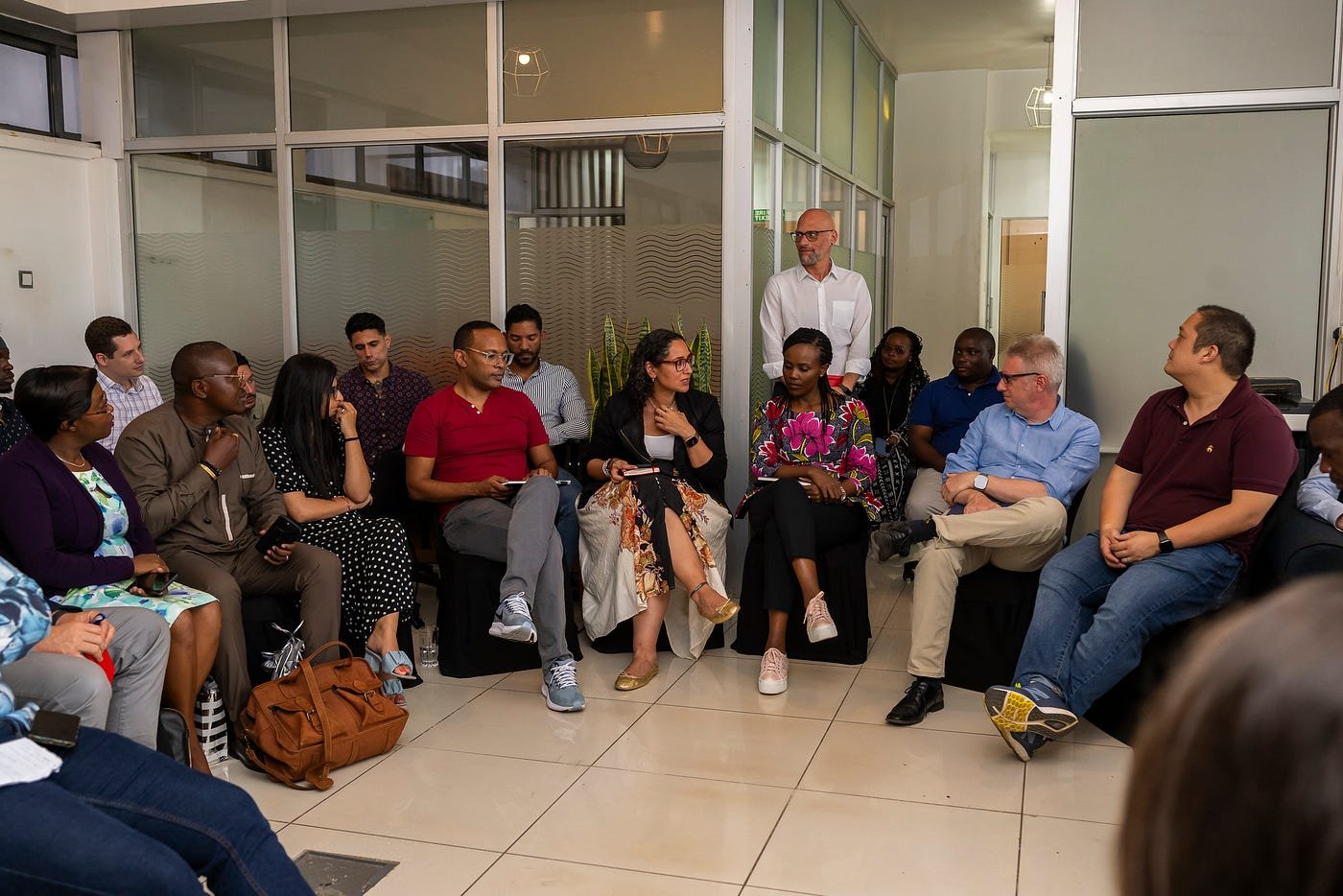
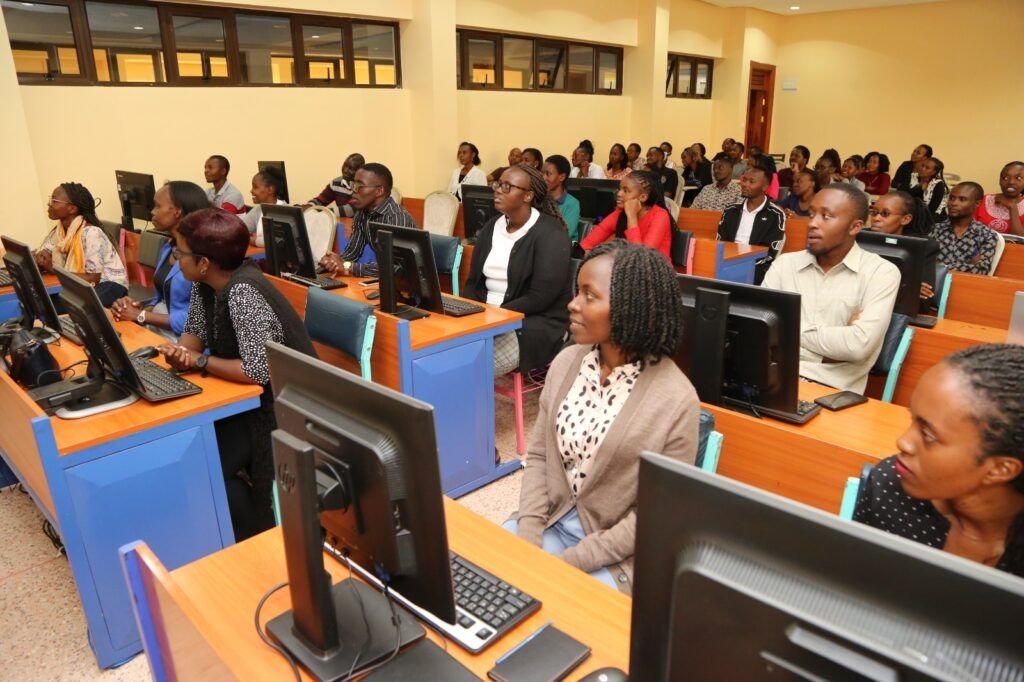
In addition, the firm curates immersive experiences that connect academia, industry, government and global partners. One such programme hosted MIT Legatum Fellows in Kenya to witness startup culture first-hand. Another brought Moi University students into tech ecosystems to bridge theory with practice. These experiences are about more than exposure—they’re about empowering young, tech-savvy Africans to imagine and build the future.
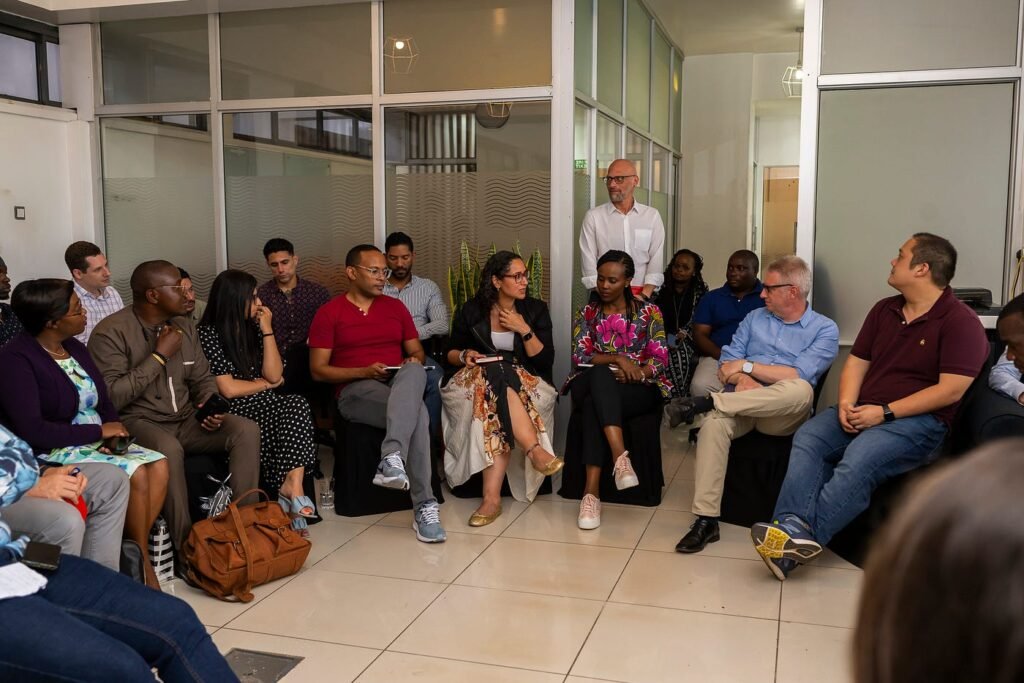
Qhala has also fostered partnerships with institutions like Mastercard and Caribou Digital. Their visits to Qhala’s offices underscore how its locally-rooted innovation is attracting global interest. And hackathons focused on cutting-edge tech like Large Language Models (LLMs) have given rise to solutions such as ATUNZI—a chatbot assisting young mothers with maternal health insights.
Furthermore, Qhala operates through Q Trust, which has facilitated partnerships such as the one between Kenya’s Ministry of Foreign Affairs and the Hamburg Chamber of Commerce. This initiative connects Kenyan IT talent to global job opportunities, beginning with a pilot in Nakuru County and plans to scale further.
Role in Africa’s Digital Destiny
In Nigeria—or anywhere across Africa—Qhala’s story is compelling. It’s a tale of a home-grown firm marrying global tech trends with African nuance. It shows that real digital transformation demands more than off-the-shelf tools; it calls for co-creation, trust, data strategy, and localised execution. Qhala’s journey illustrates how digital capacity, when carefully built, can become a foundation for resilient services, inclusive growth, and locally-driven policymaking.
Join Our Social Media Channels:
WhatsApp: NaijaEyes
Facebook: NaijaEyes
Twitter: NaijaEyes
Instagram: NaijaEyes
TikTok: NaijaEyes