
In a major move that could reshape how young learners engage with technology, LEGO Education has introduced a brand-new hands-on learning solution designed to teach computer science and artificial intelligence in classrooms around the world. This announcement marks a significant evolution in educational tools, bringing together physical building, coding and core technology concepts in a way that is accessible, collaborative and age-appropriate for students as young as five years old, according to PRNews.
The new LEGO Education Computer Science and AI solution is scheduled to begin shipping to schools globally from April 2026. It has been developed in response to growing calls from educators and parents for tools that not only introduce students to modern technology but do so in a way that is hands-on, creative and deeply engaging.
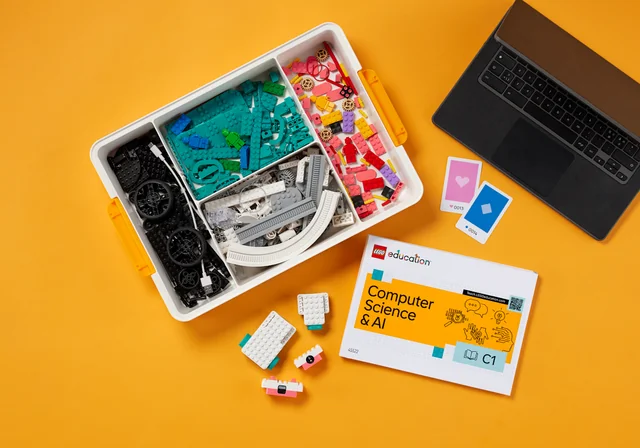
Table of Contents
Rethinking Classroom Learning with Hands-On Technology
At the heart of this initiative is a clear understanding that traditional computer science instruction, with students working individually at screens, often fails to spark curiosity or foster meaningful collaboration. LEGO Education’s approach flips that model on its head by using physical bricks and interactive hardware to bring abstract concepts to life through play and problem-solving.
Each kit in the range is tailored to specific age groups, covering students from Year 1 through Year 10. These comprehensive kits include everything a teacher needs to deliver a full curriculum of computer science and AI learning, from tactile LEGO bricks and hardware to an intuitive set of lessons and activities. According to LEGO Education, the materials are curriculum-aligned and designed to fit seamlessly into existing school programmes or work as a standalone solution.
Importantly, the learning experience is built around collaboration. Students work together in small groups, building, coding and testing projects that help them develop core skills such as computational thinking, problem solving and basic understanding of how AI works. Educators will find a mix of screen-based and screen-free lessons, with the physical construction through LEGO bricks helping to ground technology concepts in the real world.
This model represents a deliberate shift away from more isolated forms of digital learning toward an inclusive classroom environment where teamwork and creative exploration are central themes.

Addressing Gaps in Teacher Resources and Student Engagement
LEGO Education’s announcement comes alongside findings from a global report titled Building the Future: A Global Report on Computer Science and AI Education. The research highlights that while teachers broadly recognise the importance of these subjects, many lack the tools needed to engage their students effectively. More than half of educators surveyed said that existing resources leave students bored, and a significant proportion noted that computer science does not feel relevant to learners’ lives outside the classroom.
The report also shows that nearly seven in ten teachers believe AI literacy is crucial for the future, yet a large share of schools are unprepared to introduce it responsibly. These findings underline a broader challenge in education: how to make cutting-edge technology understandable and meaningful for young minds. LEGO Education’s new solution is explicitly designed to tackle this problem by pairing hands-on learning with structured lessons that build students’ confidence and competence over time.
One of the strengths of the programme is its blend of tangible and digital experiences. While lessons encourage students to build and experiment with physical materials, complementary digital tools such as the LEGO Education Coding Canvas introduce coding concepts in a visual, block-based environment. This balance helps students understand not just how technology works, but why it matters.
Educators will also have access to a comprehensive online portal containing teaching guides, ready-to-use class resources, facilitation notes and progress tracking. This extensive support infrastructure is designed to help teachers deliver rich learning experiences even if they do not have a strong background in technology.
The Promise of AI Literacy for Future Generations
Beyond traditional computer science topics like algorithms and coding, the new LEGO Education solution places special emphasis on artificial intelligence. The programme encourages learners to explore how AI systems function in everyday contexts, with lessons structured to promote curiosity and critical thinking rather than passive acceptance of technology.
This approach is particularly important as AI tools become ever more prevalent in society. Rather than presenting these technologies as mysterious or magical, the curriculum helps students see them as systems they can question, understand and eventually help build. By introducing these ideas early, LEGO Education hopes to cultivate a generation of learners who are not just users of technology but informed and thoughtful participants in its development.
LEGO Education leaders stress that the experience is grounded in the company’s longstanding values around safety, collaboration and the joy of discovery. This focus ensures that while students engage with advanced concepts, their learning environment remains supportive and accessible.

What Schools Can Expect Next
With its April 2026 launch date, schools and educators have time to prepare for the arrival of these new kits. Each age band will have a specific set of materials and lessons tailored to age-appropriate learning outcomes. From early years classrooms introducing fundamental logic and sequencing ideas to more advanced exploration of AI principles in upper grades, the curriculum is structured to grow with learners and build lasting skills.
In addition to classroom use, the new solution is expected to influence broader learning initiatives, including extracurricular STEM programmes and teacher training. The announcement also ties into wider changes in LEGO Education’s product portfolio, with older systems like the SPIKE range scheduled to retire as the new platform takes centre stage.
For educators, parents and policymakers, this development represents more than just new teaching materials. It signals a shift toward making complex technology learning more equitable and engaging from an early age. The focus on collaboration, creativity and real-world relevance aligns with broader educational goals of preparing young people for a rapidly changing future where digital and AI literacy are essential.
As schools prepare to integrate LEGO Education’s new computer science and AI solution into their teaching, the potential impact on students’ confidence, skills and understanding of technology could be profound. Early exposure to these concepts in a playful, hands-on setting might just spark the next generation of innovators who will shape the future of technology and society.
Join Our Social Media Channels:
WhatsApp: NaijaEyes
Facebook: NaijaEyes
Twitter: NaijaEyes
Instagram: NaijaEyes
TikTok: NaijaEyes
READ THE LATEST EDUCATION NEWS