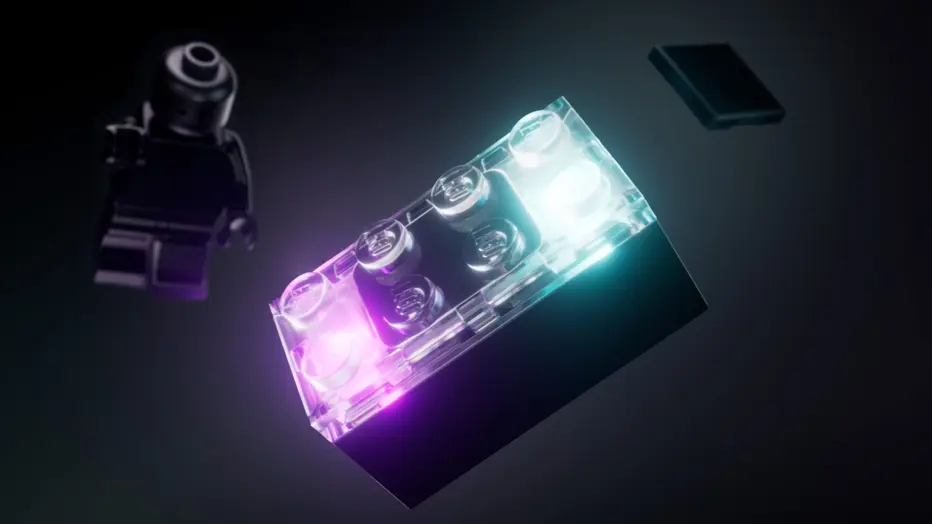
In a moment that has captured the attention of toy lovers and tech enthusiasts around the world, the Lego Group has revealed its latest breakthrough at the Consumer Electronics Show in Las Vegas. The company introduced the Lego Smart Brick innovation, a tiny but powerful microcomputer built into a classic Lego 2×4 brick. This development, the firm says, represents the most important change in its play system in almost fifty years.
For decades, Lego bricks have stood as icons of creativity, letting children and adults alike imagine and build anything from simple houses to sprawling cityscapes. Now, Lego has fused that familiar physical play with responsive technology that makes models more interactive without forcing screens into the experience.
The unveiling has sparked excitement in toy markets around the world, and in Nigeria, the news has been making rounds on social media, with enthusiasts curious about what this means for local builders and collectors.
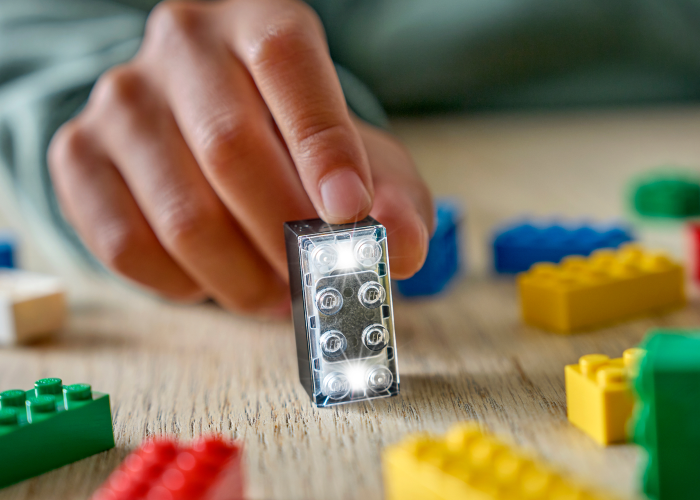
Table of Contents
How the Smart Brick works
At first glance, the new Smart Brick looks like any regular Lego piece. It clicks into a build just like older bricks, keeping the timeless look and feel Lego fans love. But inside it holds a custom-designed computer chip smaller than a Lego stud and a set of sensors that detect motion, light, and orientation.
This small brick also has a built-in speaker and LED lights, enabling it to respond to what you build with it. These interactions are not pre-programmed gimmicks. When paired with special Smart Tags and Smart Minifigures, the brick can adapt to its surroundings and react with sound and light effects that match the play situation.
For example, placing a Smart Brick in a spaceship model might trigger engine sounds, while attaching nearby tags or minifigures could prompt specific light cues or noises. This real-time response to movement and placement brings models to life in ways that were previously only possible in digital play environments.
One of the key design choices Lego made was to keep this innovation screen-free. Instead of relying on apps or tablets during play, the Smart Brick processes interactions internally and through physical connections in the build, preserving hands-on engagement.

What this means for Lego fans and builders
For many people who grew up with Lego, this announcement signals a fresh chapter in a hobby that has spanned generations. The Lego Smart Brick innovation opens new creative possibilities while still honouring the traditional emphasis on open-ended play.
Lego is launching the Smart Brick first inside a series of Star Wars-themed sets. Fans of the franchise will be among the first to experience interactive ships such as X-Wings and TIE Fighters that make sounds and light effects during play.
These initial sets will be available in stores and online starting March 1, 2026, with pre-orders opening earlier in January. Many observers see this phased rollout as a test of how enthusiasts, families, and younger builders respond before the technology expands into other themes and products.
The introduction of Smart Tags and Smart Minifigures alongside the Smart Brick also means builders can mix and match components, which could lead to creative mashups, such as a pirate ship emitting theme-based sound effects or racing cars that react to movement.
Reactions and implications
Reactions from fans and commentators range from excitement at the potential of richer play experiences to cautious curiosity about how this technology fits into the broader Lego world. Some collectors and builders point out that Lego’s approach keeps the focus on imagination rather than cutting-edge gadgetry, which is appealing for families seeking creative screen-free activities.
There is also discussion about how this innovation might influence the toy market at large. With digital experiences becoming more common in play, Lego’s Smart Brick strikes a balance by merging physical building with responsive features that do not require a phone or tablet during play.
In the Nigerian context, this could mean new opportunities for retailers and fans alike to engage with an advanced form of the hobby many have enjoyed since childhood. The mix of nostalgia and innovation is likely to appeal to both parents and children.
Toy sellers and hobby shops across Nigeria may begin stocking Smart Play sets as they become available, and enthusiasts are already talking about how local Lego clubs, makerspaces, and creative communities might incorporate Smart Bricks in workshops and group builds.
Beyond this immediate excitement, there are broader implications for toy design itself. Lego’s move shows that classic physical play can evolve to include technology without losing its essence. The company has prioritised compatibility, making sure that new Smart Bricks still work with older Lego collections.
This decision is important because many long-time Lego fans have amassed extensive collections over the years. They can now imagine breathing new life into old buildings with interactive elements rather than setting aside their classics for newer digital experiences.
Looking ahead
Critics and fans will soon have the chance to test the Lego Smart Brick innovation firsthand when the products arrive in stores. Early adopters will share their experiences over the coming months, and that user feedback will likely shape how Lego expands the Smart Play platform into other themes beyond Star Wars.
There is also speculation that future sets could include interactive elements from other popular franchises or introduce even deeper layers of responsiveness. Regardless of how the technology evolves, this launch represents a turning point for one of the world’s most beloved toy brands.
For now, builders young and old can look forward to March and the chance to explore a new way to play, build, and interact with Lego bricks in Nigeria and around the globe.
Join Our Social Media Channels:
WhatsApp: NaijaEyes
Facebook: NaijaEyes
Twitter: NaijaEyes
Instagram: NaijaEyes
TikTok: NaijaEyes