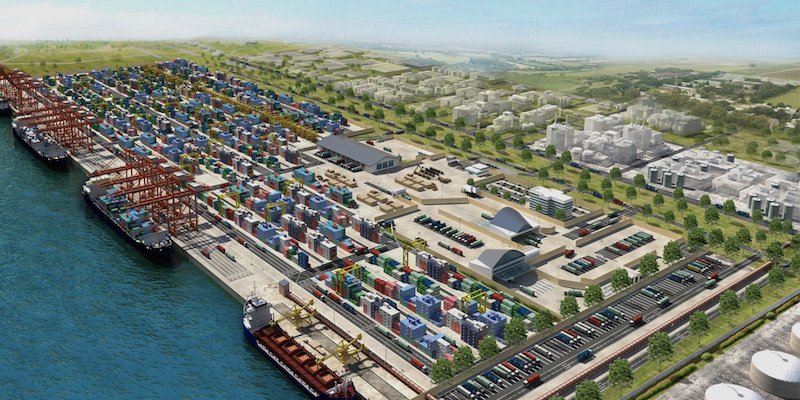
In a milestone for Nigeria’s maritime sector, Lekki Deep Seaport has surged ahead to become the country’s second busiest port by trade volume, eclipsing Tin Can Island Port and reshaping the nation’s trade dynamics. The achievement marks a major shift in how goods flow in and out of Africa’s largest economy and signals new promise for exporters, importers, and regional trade partners.
This development comes as Nigeria continues to expand its port infrastructure and modernise facilities to reduce congestion, cut costs and open fresh opportunities for international commerce. Lekki’s performance reflects a port that is not only built for scale but is beginning to realise its potential as a hub for West African trade.
Rapid rise from new investment to top-tier status
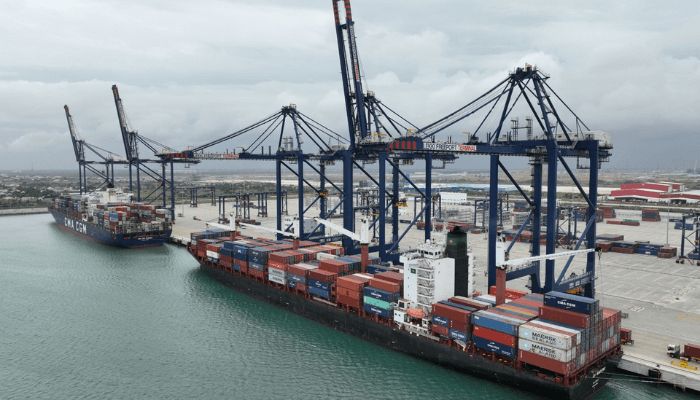
Lekki Deep Seaport, a multi-billion-dollar facility developed through a public-private partnership, has rapidly transformed into a vital trade gateway since it began full commercial operations in April 2023. Located in the Lagos Free Zone, it was designed to handle larger vessels and more cargo than traditional river ports such as Apapa and Tin Can Island.
For years, Nigeria’s maritime trade has been dominated by the ageing ports in Apapa and Tin Can Island. These river ports have struggled with congestion, inefficiencies and shallow draft depths that limit the size of vessels they can serve. In contrast, Lekki’s deep water berths and modern infrastructure allow it to accommodate larger ocean-going vessels, offering faster turnaround and greater capacity.
According to recent trade data, Lekki’s throughput of imports and exports has pulled ahead of Tin Can Island, establishing it as the second most important port in Nigeria by trade volume. This is a powerful endorsement of the investment in deep-sea capacity and an indication that global shippers are changing their patterns to take advantage of the port’s capabilities, according to Nairametrics.
What set Lekki apart from Tin Can
The story of Lekki’s ascent is rooted in strategy and engineering. With a deeper channel and modern container handling systems, the port can berth larger vessels that many older facilities cannot. Industry sources note that ships which would not have fit into river ports are now docking at Lekki with increasing frequency.
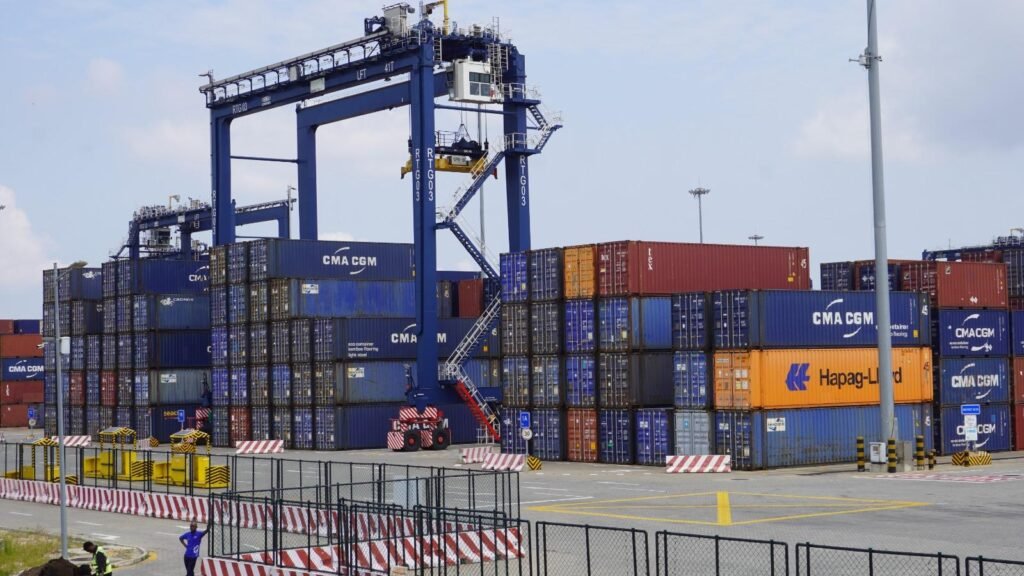
In addition to its physical advantages, Lekki has embraced automation and efficiency. It was the first fully automated port in Nigeria, a feature that reduces manual bottlenecks and speeds up cargo processing. As trade growth rebounds in 2025 after adjustments from economic changes such as subsidy reforms and currency volatility, Lekki has handled a growing number of containers and containerised cargo.
Beyond its domestic importance, Lekki is extending Nigeria’s reach into the West African market. The port now conducts cargo transhipment for neighbouring countries, including the Benin Republic, Togo, Ghana and Côte d’Ivoire. This positions Nigeria as a regional logistics hub and creates new revenue streams that bypass older transhipment points outside the country.
Economic impact for Nigeria and West Africa
As Lekki grows into its role, the broader Nigerian economy stands to benefit. Maritime trade is central to foreign exchange earnings and import-export flows. Recent trade statistics show that maritime transport accounted for nearly all of Nigeria’s exports and a significant share of imports in the second quarter of 2025, underscoring the importance of efficient seaports in national growth.
Lekki’s rise contributes to that dynamic by enabling smoother export movement and reducing dependency on congested inland routes. For manufacturers and exporters, this can translate into lower logistics costs and shorter delivery times. For importers, it means more predictable access to goods. Increased transhipment activity also brings Nigeria a step closer to becoming a pivot point in the Economic Community of West African States (ECOWAS) trade circuit.
Experts believe the port’s performance will encourage further investment in Nigerian port infrastructure. Nigeria is already investing in railway links to port complexes and planning additional deep-sea facilities to spread trade capacity across the country.
Challenges and next steps ahead
Despite Lekki’s success, the journey is not without challenges. The port is still operating below full capacity, with estimates suggesting it uses only a portion of its design potential. Economic factors like currency volatility and broader market conditions have tempered cargo volumes, meaning there is room for significant growth as business confidence improves.
Moreover, while Lekki has overtaken Tin Can Island, Nigeria’s port network remains heavily concentrated in Lagos, which can still lead to congestion and logistical challenges inland. Infrastructure linking the port to railways, roads and storage facilities needs continued attention to unlock its full value.
Finally, critics have raised concerns about the focus on Lekki at the expense of other ports across Nigeria, arguing for more balanced development to spread economic benefits nationwide and reduce bottlenecks in other regions.
A new chapter for Nigeria’s maritime trade
Lekki Deep Seaport’s rise to the position of Nigeria’s second busiest port by trade is more than a milestone in cargo statistics. It represents a shift in how the country positions itself in regional and global trade networks. The port’s strategic depth, modern operations, and expanding transhipment role send a clear message that Nigeria is serious about becoming a hub for West African commerce.
For exporters, importers and logistics professionals, this shift brings optimism that the country can overcome longstanding bottlenecks and compete effectively in global markets. For the government and investors, Lekki’s performance offers proof that deep infrastructure investments can pay dividends in jobs, revenue and economic diversification.
As the port continues to grow, how Nigeria manages its broader transport ecosystem will determine whether Lekki becomes a singular success story or the first of many new gateways to economic prosperity.
Join Our Social Media Channels:
WhatsApp: NaijaEyes
Facebook: NaijaEyes
Twitter: NaijaEyes
Instagram: NaijaEyes
TikTok: NaijaEyes