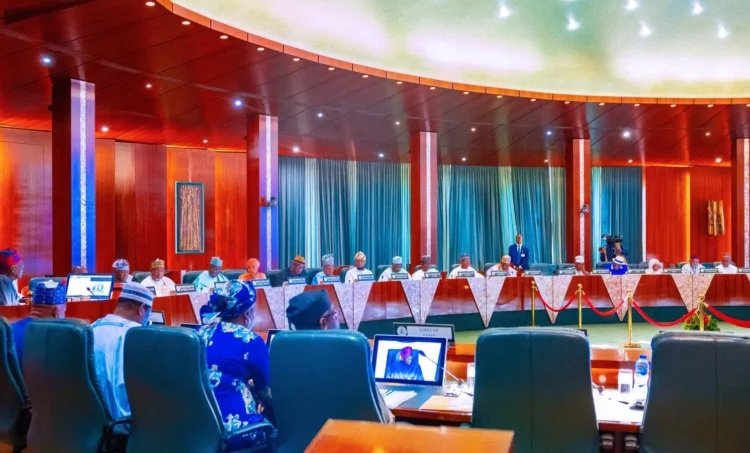
Nigeria’s growing frustration over the poor economic returns from its tertiary education system has once again come into sharp focus, as federal authorities openly admit that years of investment have not translated into meaningful national development. The concern is not new, but its persistence raises deeper questions about policy direction, institutional accountability, and the country’s readiness to compete in a knowledge-driven global economy.
At the heart of the issue lies a troubling contradiction. Nigeria continues to expand its network of universities, polytechnics, and research institutes, yet the tangible outcomes from these institutions remain limited. Research findings often fail to move beyond academic journals, innovation rarely scales into viable enterprises, and graduates struggle to align with industry needs. The result is a system that produces knowledge but struggles to convert it into value.
Table of Contents
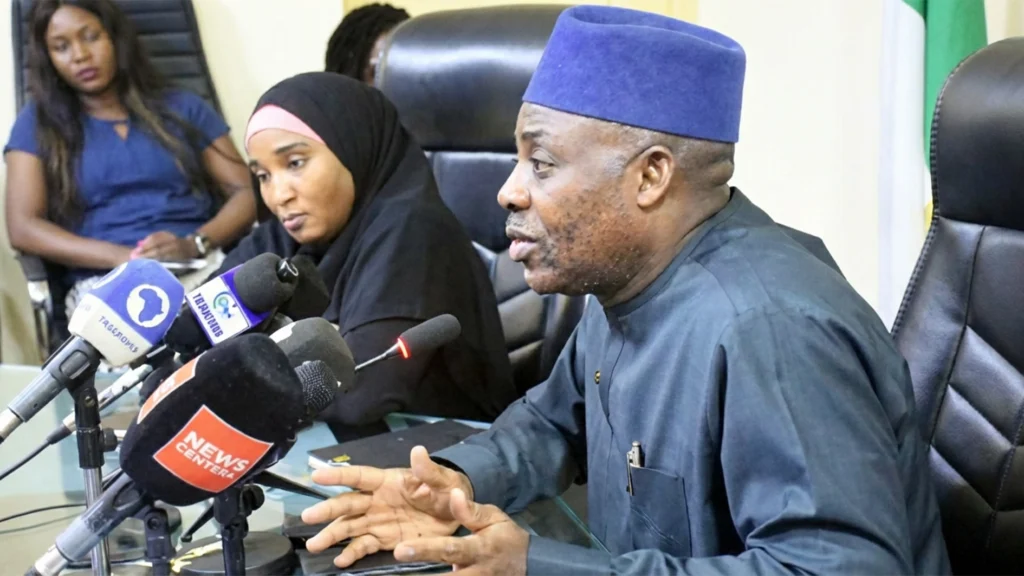
The Funding Gap and Structural Weaknesses of Tertiary Institutions
One of the most persistent challenges confronting Nigeria’s tertiary education sector is chronic underfunding. Over the years, government allocations to education have consistently fallen below global benchmarks. While international standards recommend a significantly higher share of national budgets for education, Nigeria’s allocation has remained modest, limiting the capacity of institutions to deliver on their mandates.
This funding gap has far-reaching consequences. Laboratories remain under-equipped, research projects stall midway, and academic staff operate under conditions that do not encourage innovation. Frequent industrial actions by lecturers, driven by poor remuneration and working conditions, further disrupt academic continuity and weaken the system’s output.
Beyond funding, structural inefficiencies compound the problem. Many institutions operate within outdated frameworks that do not reflect current economic realities. Curriculum design often lags behind industry demands, leaving graduates ill-prepared for the labour market. At the same time, weak governance structures and bureaucratic bottlenecks slow down decision making and implementation.
Corruption also plays a significant role. Even the limited funds allocated to the sector are not always fully utilised for their intended purposes. This undermines trust, reduces impact, and perpetuates a cycle of inefficiency that continues to hold the system back.
Research Without Commercialisation in Tertiary Institutions
Perhaps the most critical issue highlighted in the ongoing debate is the disconnect between research and real-world application. Nigeria’s universities and research institutes produce a considerable volume of academic work across fields such as agriculture, health, technology, and environmental science. However, much of this research remains unused, sitting on shelves without being translated into products, services, or businesses.
This gap between knowledge creation and commercialisation is a major reason for the low returns on investment in the sector. In more advanced economies, universities serve as hubs of innovation, driving industrial growth and technological advancement. Research findings are actively developed into marketable solutions, often with strong collaboration between academia and industry.
In Nigeria, such collaboration is weak. The private sector is often reluctant to invest in academic research due to concerns about profitability and long development timelines. On the other hand, government support for bridging this gap is limited, leaving many promising ideas without the funding needed to reach commercial viability.
The implications are significant. Without a clear pathway from research to industry, the country loses opportunities to create jobs, boost productivity, and reduce dependence on imported technologies. Instead of driving economic growth, the education sector becomes a cost centre with limited measurable returns.

Policy Inconsistency and Missed Opportunities
Another major factor contributing to the problem is policy inconsistency. Over the years, Nigeria has developed several education policies aimed at strengthening the sector and promoting innovation. However, implementation has often been weak, inconsistent, or abandoned midway.
The National Policy on Education, for instance, outlines clear objectives for linking education with national development. Yet, the gap between policy and practice remains wide. Without sustained political will and accountability, even the most well-crafted policies fail to deliver results.
There is also the issue of coordination among government agencies. Nigeria has numerous research institutes across various sectors, from agriculture to technology. Despite this, there is little synergy among them, leading to duplication of efforts and inefficient use of resources.
In addition, the country has not fully leveraged global best practices. Nations that have successfully transformed their education systems have done so by prioritising innovation, investing heavily in research and development, and fostering strong partnerships between academia and industry. Nigeria’s slow adoption of these approaches has limited its ability to compete on the global stage.
The Way Forward: From Lamentation to Action
While the federal government’s acknowledgement of the problem is a step in the right direction, it is not enough. What is required is a comprehensive and sustained effort to address the root causes of the issue.
First, there must be a significant increase in funding for education, particularly in research and development. This funding should be targeted, transparent, and tied to measurable outcomes. Investments in modern laboratories, digital infrastructure, and capacity building are essential to improving the quality of research and innovation.
Second, the government must create an enabling environment for research commercialisation. This includes providing incentives for private sector participation, establishing innovation hubs, and supporting start-ups that emerge from academic research. Bridging the gap between universities and industry is critical to unlocking the economic potential of the education sector.
Third, curriculum reform is necessary to align education with the needs of the modern economy. Institutions must focus on skills that are relevant to today’s job market, including digital literacy, entrepreneurship, and problem-solving. This will ensure that graduates are not only knowledgeable but also employable.
Fourth, governance and accountability must be strengthened. Transparent management of resources, performance-based evaluation of institutions, and strict enforcement of standards will help to improve efficiency and restore confidence in the system.
Finally, there must be a cultural shift within the education sector. Innovation should be encouraged, collaboration should be prioritised, and excellence should be rewarded. By fostering a mindset that values impact over theory, Nigeria can begin to transform its tertiary institutions into engines of national development.
In the end, the challenge is not a lack of ideas or potential. Nigeria has the talent, the institutions, and the resources needed to build a world-class education system. What is missing is the commitment to turn plans into action and to hold stakeholders accountable for results.
The time for lamentation has passed. What Nigeria needs now is decisive leadership, strategic investment, and a clear vision for the future of its tertiary education sector.
Join Our Social Media Channels:
WhatsApp: NaijaEyes
Facebook: NaijaEyes
Twitter: NaijaEyes
Instagram: NaijaEyes
TikTok: NaijaEyes
READ THE LATEST EDUCATION NEWS