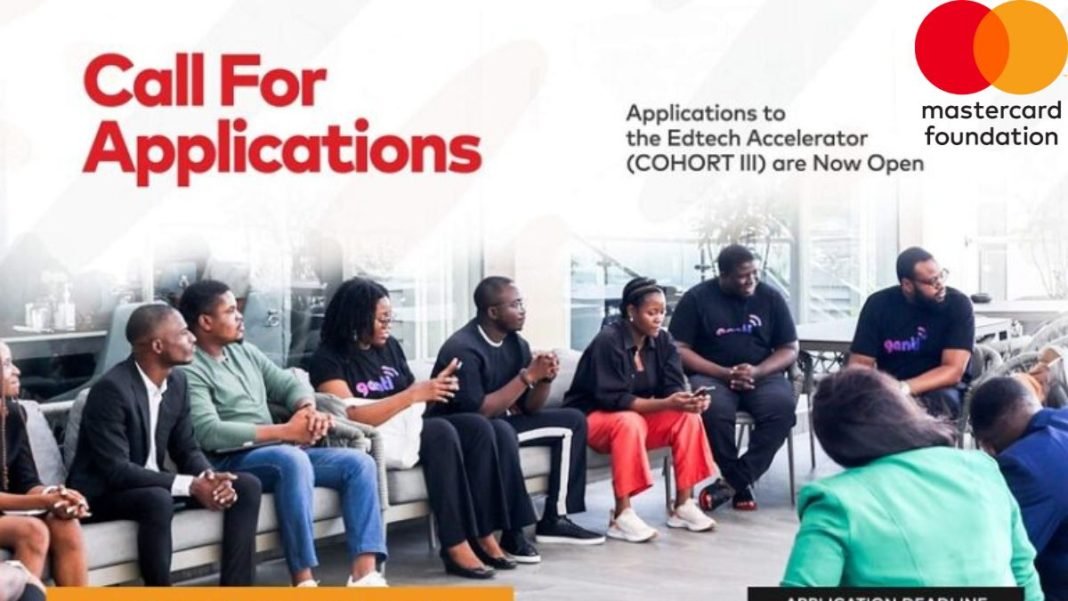
Across Africa, founders of education technology ventures are waking up to new opportunities as the Mastercard Foundation opens applications for its EdTech Fellowship programmes for 2026. This initiative is part of a broader effort to support home-grown education technology companies that are ready to grow, refine their solutions, and deepen their impact on learners across the continent. Entrepreneurs, innovators, and education change-makers now have a chance to apply and gain access to funding, mentorship, and strategic support that could help them scale their ideas into sustainable solutions.
The Mastercard Foundation EdTech Fellowship is an entrepreneurship acceleration programme that backs growth-stage African EdTech ventures that have started to show traction. It provides these ventures with the resources they need to strengthen their products, sharpen their business strategies, and expand into new markets while improving learning outcomes for students of all ages.
Application windows for multiple country-specific fellowships in Africa are now open, with some early action deadlines as soon as 22 January 2026 for key programmes. Across these calls, organisers are placing a strong emphasis on technology-enabled solutions that address real challenges in education systems and deliver measurable impact for learners in underserved communities.
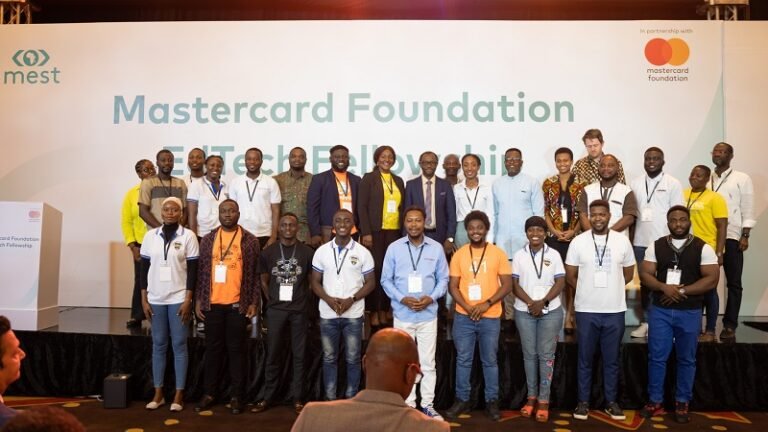
Table of Contents
What the Mastercard Foundation EdTech Fellowships Offer
The EdTech Fellowship programmes under the Mastercard Foundation umbrella are designed to do more than just provide small grants. They act as tailored accelerators that connect founders with structured mentorship, strategic guidance, business model support, market access and, importantly, equity-free funding. The focus is on enabling solutions that strengthen access to quality, inclusive learning across Africa.
One of the flagship offers this year in Ghana provides successful applicants with up to $60,000 in equity-free funding, paired with expert mentoring, access to networks of investors and industry leaders, and a curriculum that supports product refinement and scaling strategies. To be eligible, ventures must be registered and operating in Ghana, have a working technology solution with active users, and show potential to reach at least 8,000 learners.
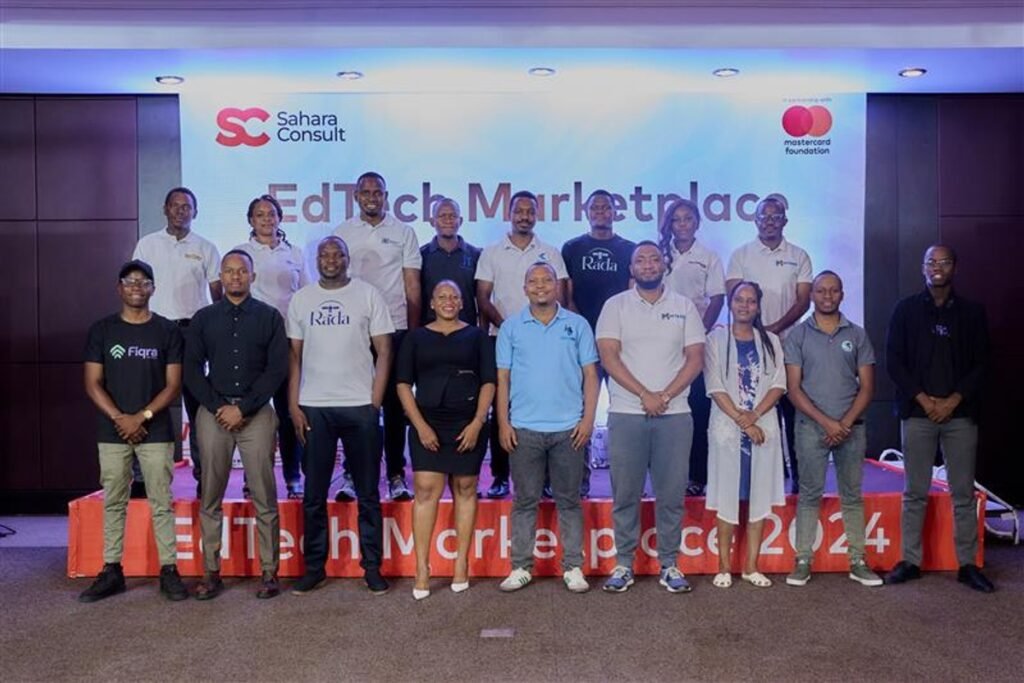
Beyond the Ghana programme, similar fellowships are being rolled out in other countries. In Tanzania, for example, the third cohort of the Mastercard Foundation EdTech Fellowship is now open for applications with a closing date at the end of January. This fellowship prioritises ventures that are improving education outcomes through innovative technology, and provides customised technical support, business mentorship, and regulatory guidance to help founders navigate local education and tech policy environments.
Some programmes work through local innovation partners like Hive Colab in Uganda, which supports growth-stage EdTech ventures with curriculum, mentorship and funds to scale responsibly while strengthening inclusive learning access. Women-led and diverse teams are strongly encouraged to apply across these calls.
Why These Fellowships Matter for Education in Africa
Africa’s education systems face persistent challenges such as limited access to quality learning materials, teacher shortages, and barriers for learners in remote or under-resourced communities. The Mastercard Foundation EdTech Fellowships seek to tackle these issues by backing solutions that integrate technology meaningfully into education delivery, teacher training, assessment, and learner engagement. By accelerating the growth of startups and ventures that are already on the ground and solving these problems, the programme contributes to wider shifts in how education is accessed and experienced.
Fellows from earlier cohorts have reported significant progress. For instance, previous Ghana-based cohorts reached tens of thousands of learners with their solutions and saw improvements in product design and market positioning thanks to the strategic support from the fellowship. Success metrics include stronger partnerships, increased visibility with stakeholders, and real improvements in education delivery.
Another important dimension of the fellowship is its focus on sustainability and inclusive impact. Rather than supporting pilot projects alone, the Mastercard Foundation and its partners look for solutions that can be scaled and sustained beyond the fellowship period. Initiatives are assessed not just on their current performance but on their potential to grow, reach more learners and create meaningful change in education systems long term.
How to Apply and Important Deadlines
Applications for the 2026 EdTech Fellowships are already open in several countries across Africa. Entrepreneurs and founders should prepare their proposals carefully and submit them via the official application portals linked from each programme’s website. In Ghana, the MEST Africa-Mastercard Foundation EdTech Fellowship calls for applications with a closing date of 30 January 2026.
In Tanzania, the equivalent programme’s deadline is 31 January 2026, with organisers stressing that all supporting documents must be complete and certified, and that AI-generated application responses are not permitted.
Some fellowships, like the one implemented by Hive Colab in Uganda, have deadlines extending into early February, giving ventures additional time to prepare strong submissions.
Prospective applicants are advised to check the detailed eligibility criteria, complete the necessary forms online before their local deadlines, and tailor their applications to clearly demonstrate how their technology addresses education challenges with measurable impact. Being specific about learner reach, evidence of traction, and a clear plan for growth can strengthen a submission.
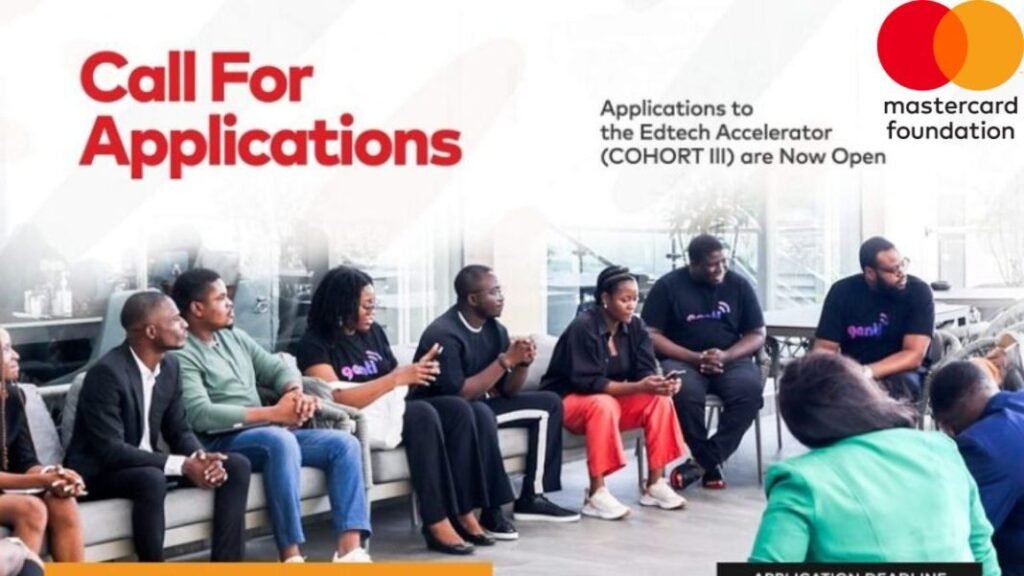
Navigating the pathway from an early-stage tech idea to a sustainable education solution is complex, but with targeted support like the Mastercard Foundation EdTech Fellowships, African innovators are being given real tools to make significant progress. These programmes not only provide funding and mentorship but also connect founders with peers and stakeholders who share a commitment to education transformation. For ventures passionate about reshaping learning across Africa, these fellowships represent a valuable chance to take the next big step in their journey.
Join Our Social Media Channels:
WhatsApp: NaijaEyes
Facebook: NaijaEyes
Twitter: NaijaEyes
Instagram: NaijaEyes
TikTok: NaijaEyes