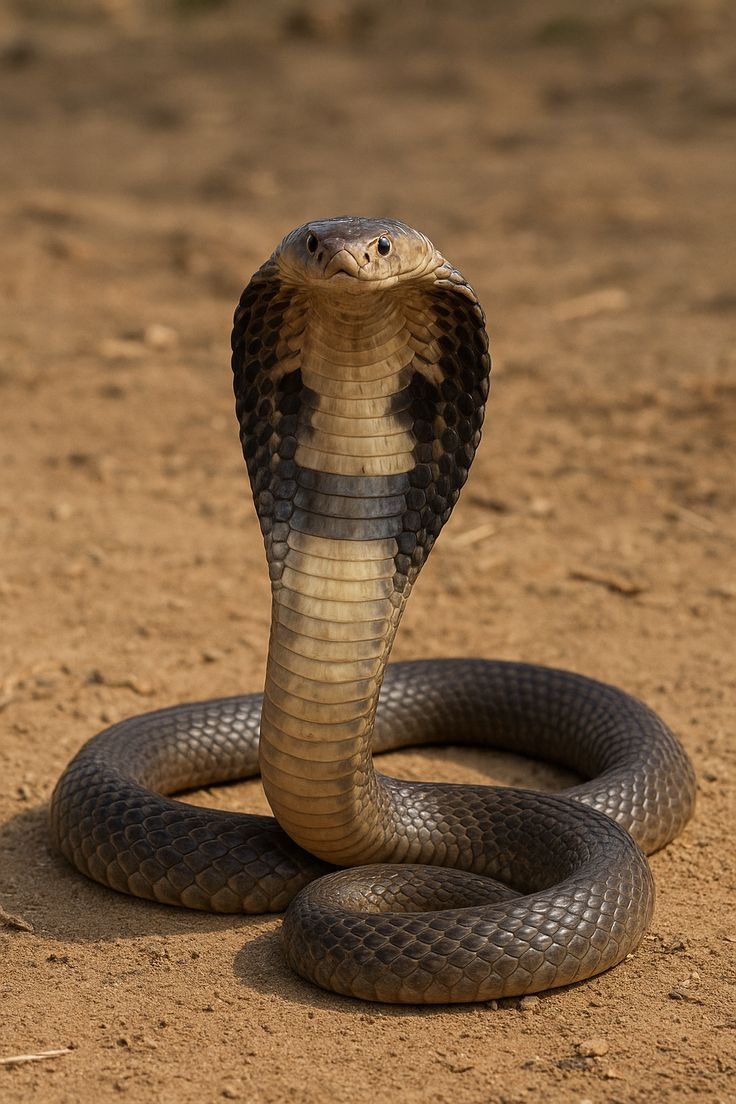
Medical experts warn that tying legs after a snakebite is dangerous.
The news of the recent passing of the young and aspiring singer, Ifunanya Nwangene, has sent a very cold shiver down the spine of many Nigerians. While the loss is painful, it has also brought a very urgent conversation to the table about how we handle snakebite emergencies in our communities.
For a long time, the first thing most people do when someone is bitten by a snake is to tear a piece of cloth and tie the leg or arm “tight tight” to stop the venom from moving. But if you talk to the experts, they will tell you that this particular move is one of the biggest mistakes you can make.
Dr Nicholas Amani Hamman, the Medical Director of the Snakebite Treatment and Research Hospital in Kaltungo, Gombe State, has raised a loud alarm.
He warns that this outdated practice is actually reducing the chances of survival for many victims. As an editor watching these health trends, I see this as a critical call for us to unlearn the dangerous traditions that are costing us too many lives.
How the concentration of venom leads to limb amputation
The logic behind tying the limb is usually to trap the poison in one place, but that is exactly where the “wahala” starts. When you tie a piece of cloth tightly around the bite area, you are essentially localizing the venom in that one spot. Instead of the venom being diluted by the body, it becomes highly concentrated in that region, leading to massive tissue damage.
Even more dangerous is that this tight tying blocks the blood supply to the limb. When blood stops flowing, the flesh begins to die and rot, a condition that often leads to doctors having no choice but to amputate the leg or arm to save the person’s life. Statistics show that between 1,700 and 2,000 Nigerians lose their limbs every year due to such complications.
This is why the experts are begging people to stop this practice immediately. The goal should be to get the victim to a hospital, not to trap poison in a way that kills the limb before the doctor even sees it.
Why crossing rivers and using razor blades makes matters worse
There are many other myths that people still follow, like using a razor blade to cut the wound or trying to suck out the poison with their mouth. These actions are not only useless, but also “double trouble.”
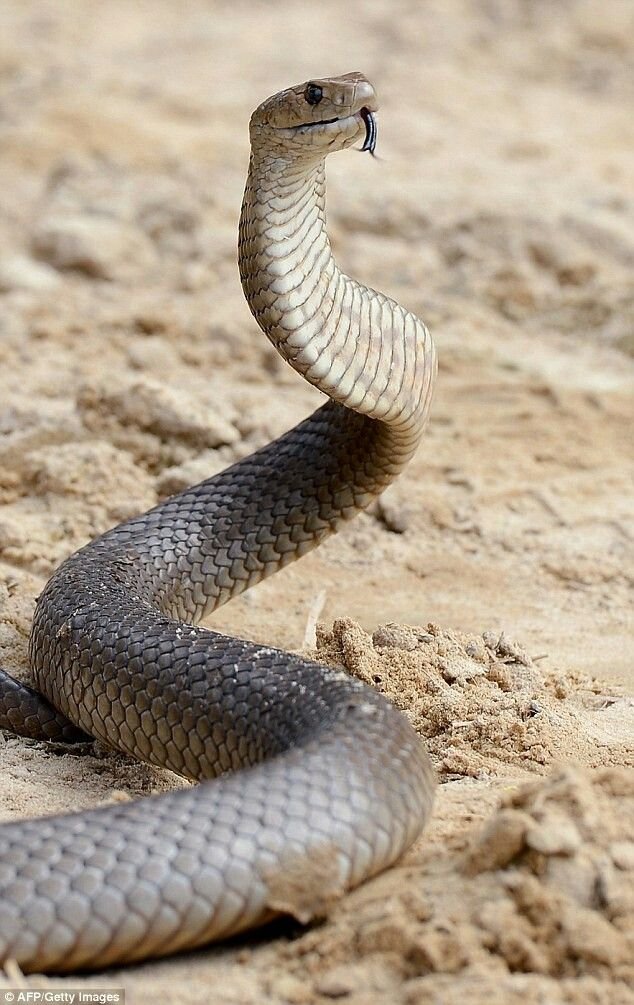
Cutting the skin with sharp objects introduces infections and causes more injury to an already traumatized body. Another interesting but dangerous warning from Dr Amani Hamman is about crossing rivers.
He explained that when a victim tries to cross even a small stream, their heart rate naturally increases. A faster heart rate means the venom will pump through the blood system much quicker than normal.
The advice is simple: the victim should be kept as calm and still as possible. They should be carried rather than being allowed to walk or run, as any physical exertion just helps the venom spread faster.
The urgent need for antivenom and specialized medical care
At the end of the day, the only real solution to a snakebite is the administration of anti snake venom. The challenge we face in Nigeria is the high cost of this treatment, with a single vial often costing as much as 250,000 Naira. Many families cannot afford this, which is why they resort to traditional concoctions that don’t work, only bringing the victim to the hospital when the situation has become “kpogri.”
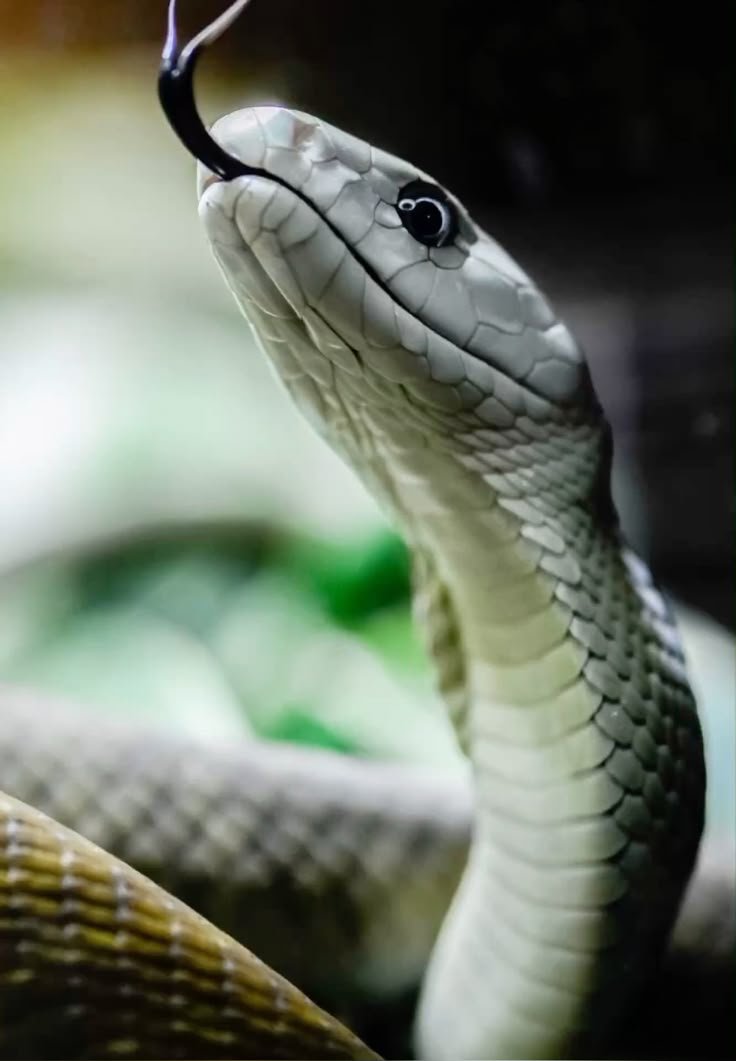
Specialized centers like the one in Kaltungo have the expertise to identify the type of bite, even if you don’t bring the snake along. We need more international support and government intervention to make these life-saving drugs free or at least affordable.
For now, the best first aid is to keep the limb still, avoid tying it, and rush the person to the nearest specialized facility. Saving a life starts with knowing what not to do.
Join Our Social Media Channels:
WhatsApp: NaijaEyes
Facebook: NaijaEyes
Twitter: NaijaEyes
Instagram: NaijaEyes
TikTok: NaijaEyes
READ THE LATEST EDUCATION NEWS