
Nigeria’s 2027 presidential election is quickly taking shape, with politicians across different political parties positioning themselves, and campaigning all across to secure the country’s highest political office.
The 2027 Presidential candidates are emerging as the race to Aso Rock gathers momentum.
As the race to Aso Rock gathers momentum and is now fully in motion, the contest is expected to test the strength of the ruling party, the unity of the opposition and the confidence Nigerians have in the country’s political leadership.
With the Independent National Electoral Commission (INEC) releasing its updated list of presidential candidates and their running mates, attention has shifted to the individuals seeking to lead Africa’s most populous country for the next four years.
Beyond the personalities involved, the 2027 election will take place against the backdrop of significant national challenges, including economic hardship, insecurity, unemployment, rising living costs and concerns over public accountability.
While some candidates remain constantly on the headlines, others appears to be new names to many ordinary Nigerians
Here is a look at the presidential candidates listed by INEC and the political figures seeking to become Nigeria’s next president.
Read Also: 2027 Election Campaigns Begin- What to Expect as the Race Heats Up
Meet the 2027 Presidential Candidates, Parties and Qualifications
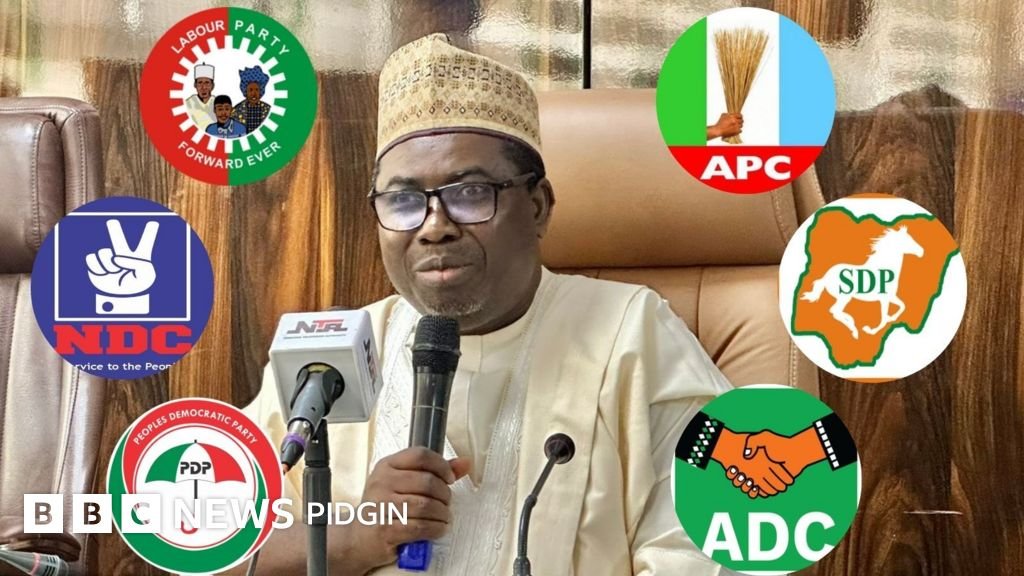
According to INEC’S updated list, the 19 candidates are;
- AA – RUFAI ADEKUNLE OMO-AJE (M) 71 , FLSC WAEC
- AAC – SOWORE OMOYELE (M) 55, FSLC WAEC MASTERS DEGREE
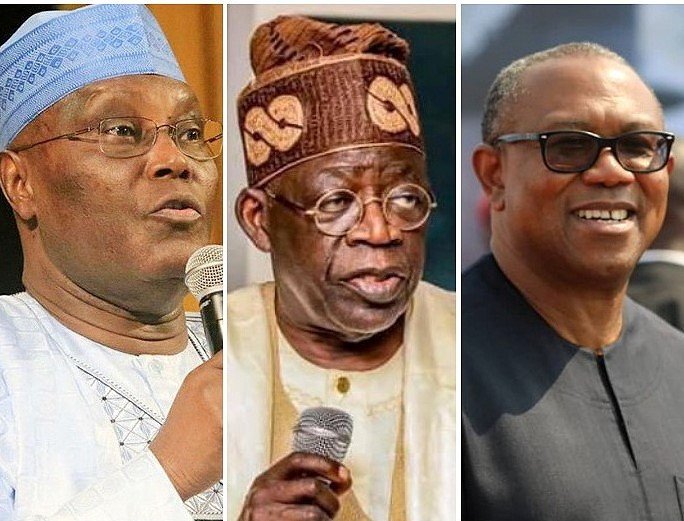
- ADC – ABUBAKAR ATIKU (M) 79, F.S.L.C. WASC MA. (INT. RELATIONS
- ADP NIGERIA- ABBAS-BIN ALIYU (M) 44, FSLC SSCE BSC
- APC- TINUBU BOLA AHMED (M) 74, BSC
- APM- MAKINDE OLUSEYI ABIODUN (M) 58, BISHOP PHILIPS ACADEMY IBADAN
- APP- YUSUF KABIRU (M) 54, FSLC SSCE NATIONAL DIPLOMA
- BP- ADENUGA SUNDAY (M) 52, FSLC, SSCE, Masters
- DLA – ADEBISI MOSES OLUSOJI (M) 35, FSLC SSCE BSc
- LP- OKEREKE SUNDAY CHIBUZO (M) 43, FSLC NABTEC Ph.D., MLS (Distinction),
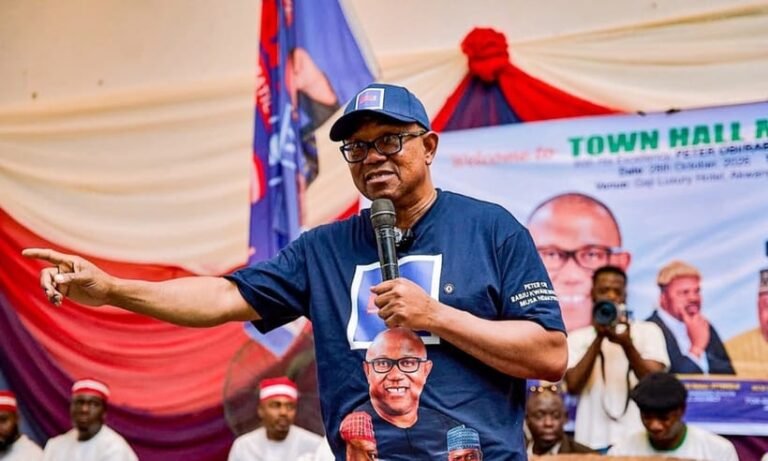
- NDC- OBI PETER GREGORY (M) 65, ST. AUGUSTINES PRIMARY SCHOOL ANAMBRA CHRIST THE KING COLLEGE (C.K.C) WASC UNN B.A
- NDP- OKWORI ADA ELIZABETH FREDRICK (F) 48, FSLC SSCE HND ACCOUNTANCY
- NRM- OKEREKE NKEM ESTHER (F) FSLC SSCE Bsc, MSC, Phd
- PDP- ONOR SANDY OJANG (M) 60, FSLC W.A.S.C. PH.D
- PRP – DUKE DONALD (M) 64, FSLC WASC LLB
- SDP- ADEBAYO ADEWOLE EBENEZER (M) 54, FSLC WASCE LLB
- YPP- AGADA PETER ADA (54), WAEC BSc, & MBA
- ZLP – NWANYANWU DANIEL DABERECHUKWU (M) 66, FSLC WAEC LLB, LLM
What Could Shape the 2027 Presidential Election?
Replace everything from “The Major Issues That Could Shape the 2027 Presidential Election” onwards with this single concluding section:
What Could Shape the 2027 Presidential Election?
Several national issues are expected to influence the 2027 presidential election, with economic hardship, insecurity, unemployment, education and healthcare likely to feature prominently in campaign discussions. Nigerians will be looking for candidates with practical solutions to rising living costs, food inflation, joblessness and the persistent security challenges affecting different parts of the country.
The credibility of the electoral process will also remain an important consideration, particularly following controversies surrounding previous elections and concerns about vote transmission, electoral transparency and political violence. Beyond their campaign promises, candidates will face scrutiny over their records in public service, leadership experience and ability to address the country’s challenges.
For the ruling party, the election presents an opportunity to seek another mandate and convince Nigerians of the progress made under its administration. Opposition parties, meanwhile, will be seeking to challenge the incumbent government and present alternative approaches to governance.
Ultimately, the 2027 presidential election will be about more than the individuals and political parties seeking power. It will be an opportunity for Nigerians to decide the country’s direction, the kind of leadership they want and the policies they believe can improve their lives.