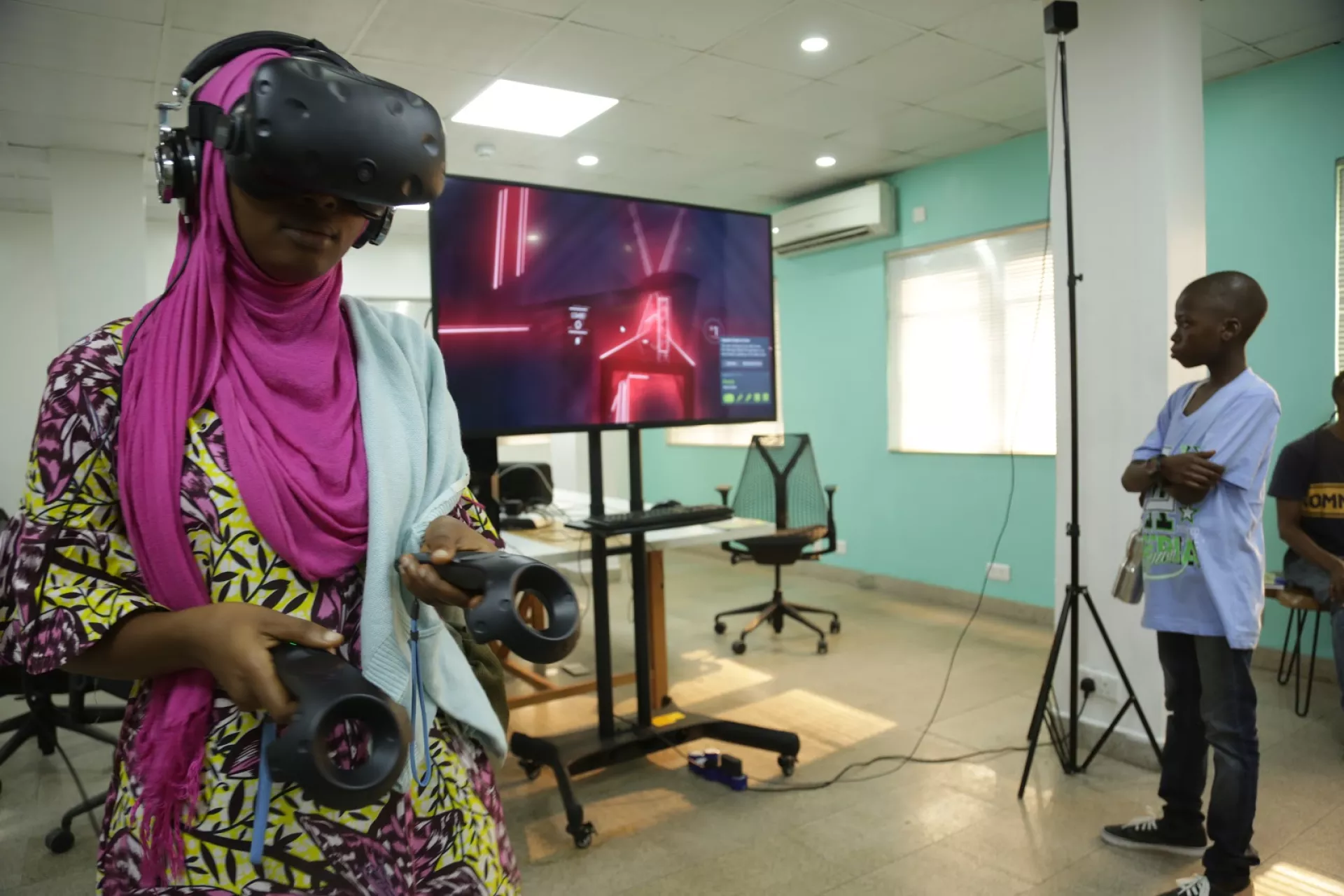
Across Africa, universities are increasingly exploring the idea of teaching inside immersive digital worlds commonly referred to as the metaverse. This concept, once confined to science fiction and gaming, is gradually finding its way into lecture halls, laboratories and even examination systems. The promise is simple but powerful: a classroom without walls, where students can learn by doing rather than just listening.
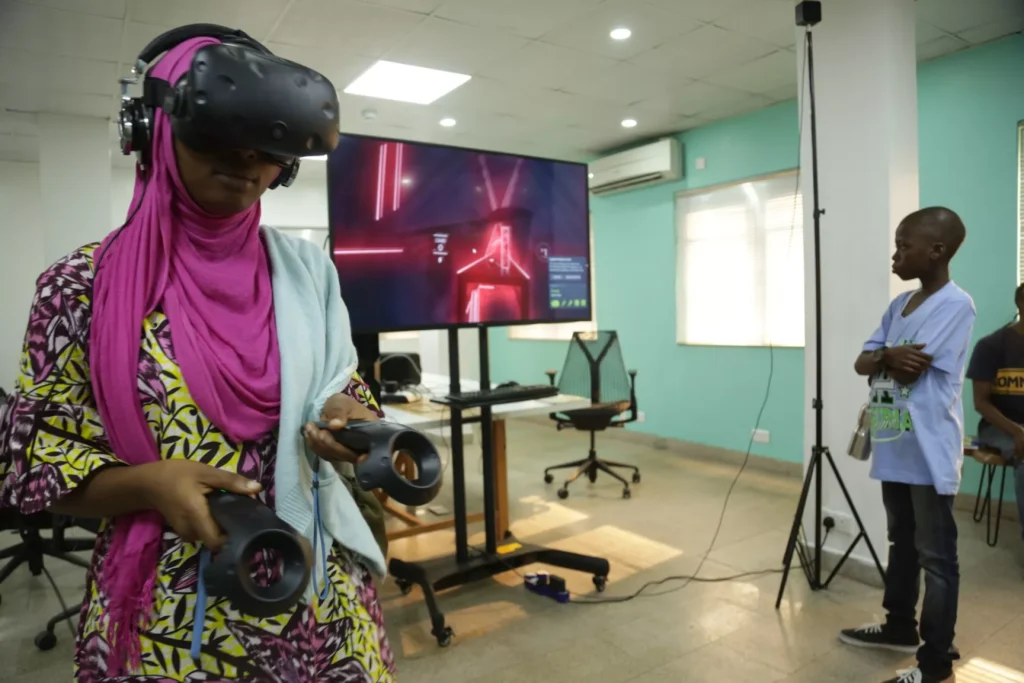
At its core, the metaverse in education combines virtual reality, augmented reality and interactive digital environments to create a more engaging learning experience. Instead of reading about ancient civilisations, students can walk through reconstructed cities. Instead of imagining complex scientific processes, they can interact with them in three dimensions. Researchers note that this approach enables highly interactive and immersive learning that goes beyond the limitations of traditional classrooms.
In parts of Africa, especially in countries like South Africa, pilot programmes have already tested how students can write exams or attend lectures in virtual environments. These experiments show that the metaverse is not just a distant idea but something already being tested in real academic settings.
However, while the technology is exciting, the real question is whether it is practical for African universities that are still dealing with more basic challenges such as funding, infrastructure and access to quality internet.
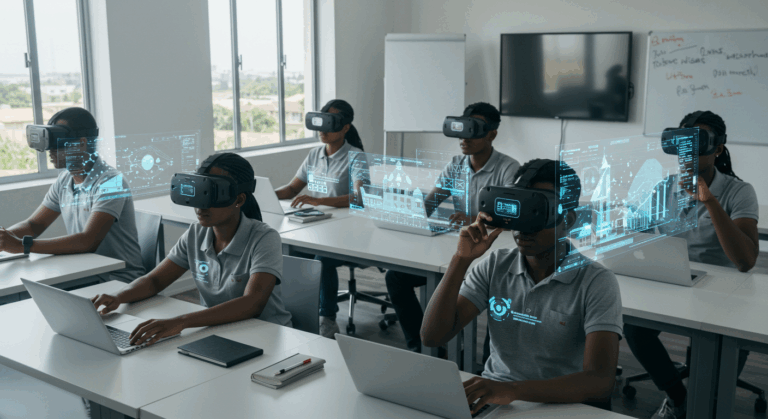
Table of Contents
The Real Benefits Driving Adoption
The growing interest in metaverse classrooms is not just about following global trends. There are genuine advantages that make this technology attractive to educators and policymakers.
One of the biggest benefits is experiential learning. Traditional teaching methods often rely heavily on theory, but the metaverse allows students to engage directly with concepts. For example, medical students can practise procedures in a virtual hospital, while engineering students can simulate real-world projects without the risks or costs associated with physical materials. According to a study, this kind of immersive learning has been described as a major shift in how knowledge is delivered and experienced.
Another key advantage is accessibility in theory. The metaverse has the potential to connect students from different locations into a single virtual classroom. This could reduce the need for physical infrastructure and expand access to education, especially for students in remote areas.
There is also the possibility of personalisation. With the integration of artificial intelligence and data analytics, metaverse platforms can adapt learning experiences to suit individual students. This means learners can progress at their own pace while receiving tailored support.
For African universities dealing with overcrowded classrooms and limited resources, these benefits are appealing. The idea of scaling education without building more physical campuses is particularly attractive in rapidly growing urban centres.
The Harsh Reality Behind the Hype
Despite all the excitement, the adoption of metaverse classrooms in African universities faces significant challenges that cannot be ignored.
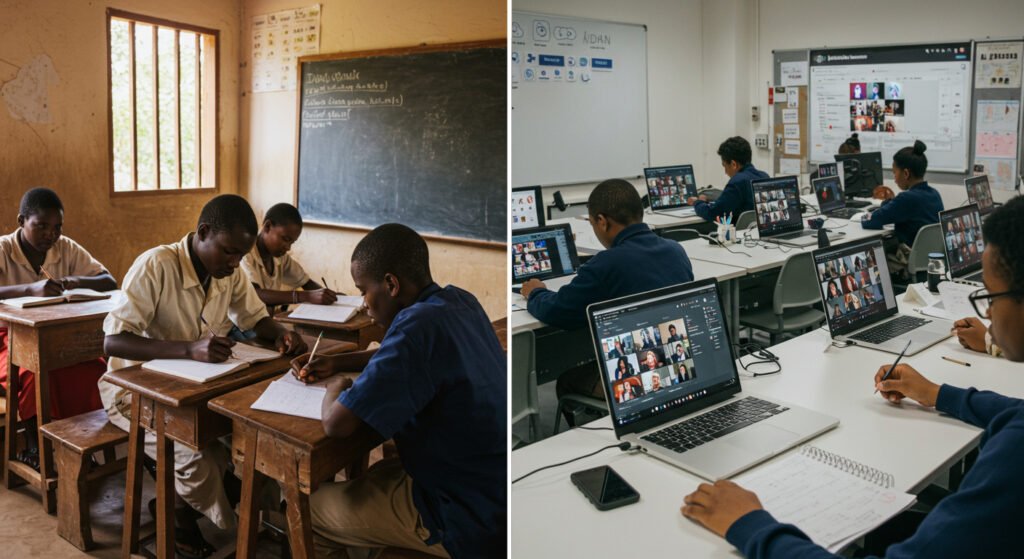
The most obvious barrier is cost. Implementing metaverse learning requires expensive hardware such as virtual reality headsets, as well as powerful computers and stable internet connections. Even in more developed regions, universities have struggled to sustain these programmes due to financial constraints. For many African institutions already operating on tight budgets, this presents a serious obstacle.
Infrastructure is another major issue. The metaverse relies heavily on high-speed internet and reliable electricity. Yet, in many parts of Africa, these basic requirements are not consistently available. Studies highlight that metaverse applications demand strong bandwidth and advanced networks, which are still limited in many regions.
There is also the question of digital literacy. Both students and lecturers need training to effectively use these technologies. Without proper support, the tools meant to enhance learning could end up becoming distractions or even barriers.
Beyond technical challenges, there are concerns about inclusivity. If only a small percentage of students can access metaverse tools, it could widen the gap between those who have access to advanced technology and those who do not. This raises important questions about equity in education.
Finally, there is the issue of relevance. Some critics argue that the metaverse is a solution looking for a problem. In many African universities, improving basic e learning platforms and internet access may deliver more immediate benefits than investing in complex virtual environments.
What the Future Holds for African Universities
The future of metaverse classrooms in Africa is likely to be a mix of cautious adoption and gradual experimentation rather than a full-scale transformation.
In the short term, most universities will continue to rely on hybrid learning models that combine traditional teaching with digital tools. The metaverse may be introduced in specific areas such as science, medicine and engineering, where immersive simulations offer clear advantages.
In the long term, as technology becomes more affordable and internet infrastructure improves, the metaverse could play a more significant role in African education. However, this will require strategic investment, strong policy support and collaboration between governments, universities and technology companies.
It is also important for African institutions to develop their own context-specific solutions rather than simply adopting models from other parts of the world. The realities of funding, infrastructure and student needs in Africa are different, and any successful implementation must reflect these differences.
What is clear is that the metaverse is not a magic solution that will automatically fix the challenges facing higher education in Africa. It is a tool, and like any tool, its impact will depend on how it is used.
For now, the conversation around metaverse classrooms remains balanced between optimism and caution. The technology offers exciting possibilities, but its practical value will only be proven over time as universities test, adapt and refine their approaches.
Join Our Social Media Channels:
WhatsApp: NaijaEyes
Facebook: NaijaEyes
Twitter: NaijaEyes
Instagram: NaijaEyes
TikTok: NaijaEyes