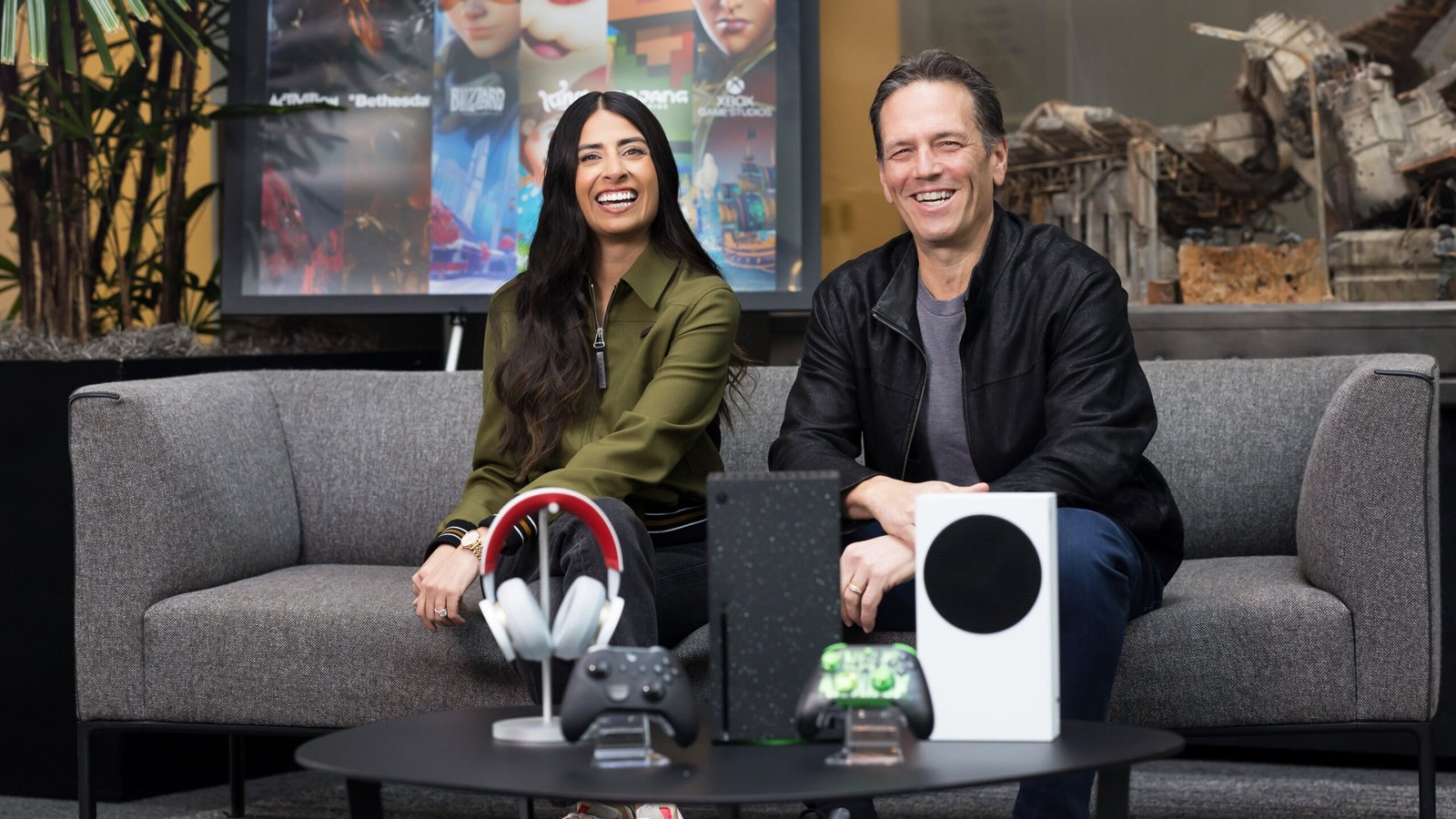
In what is arguably one of the most consequential tech industry shifts this year, Microsoft Corporation has announced a major change in leadership across its gaming division. This change arrives at a time when the global video games market is experiencing rapid evolution, and when consumer expectations are sharply tuned to innovation, quality gameplay, and authentic content delivery. The appointment of a new chief at Microsoft Gaming has excited many but also stirred debate about the future direction of the iconic Xbox brand, according to GameStop.
At the centre of this development is Asha Sharma, a veteran executive who until recently served at Microsoft’s CoreAI division, a team focused on advancing artificial intelligence products. Sharma steps into the top role within Microsoft Gaming after the retirement of Phil Spencer, the long-serving architect of the Xbox empire, who exits after almost four decades with the company. Spencer’s departure marks the end of an era.
Microsoft also bid farewell to Sarah Bond, President and Chief Operating Officer of the Xbox division, who had been widely considered Spencer’s natural successor. Instead, Microsoft looked beyond the traditional gaming leadership pipeline, choosing Sharma as its new gaming chief in what analysts see as a strategic pivot, VGC reported.
The news has generated widespread attention across the tech and gaming ecosystems. It signals Microsoft’s recognition that gaming remains central to its consumer ambitions but also shows that the company is willing to adapt its leadership strategy to what it views as future industry demands.
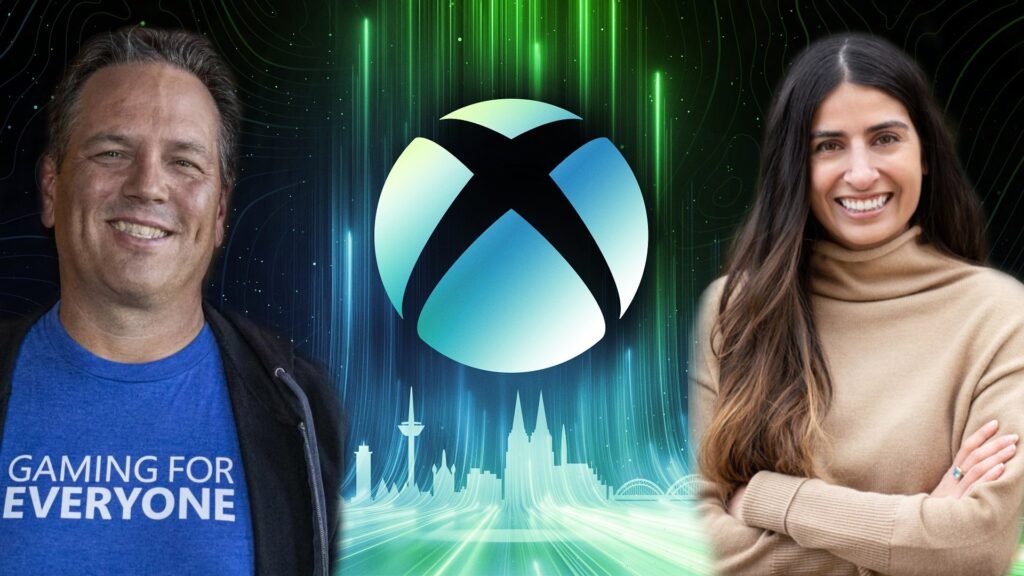
Table of Contents
A New Leader With a Fresh Perspective
The appointment of Asha Sharma to lead Microsoft Gaming surprised many observers because her background is not rooted in traditional game development or console operations. Prior to this new role, Sharma was at the forefront of Microsoft’s work in AI, having previously held executive positions at major global tech companies like Meta and Instacart.
In her first message to Microsoft employees, Sharma outlined her vision for the future of Xbox and gaming at Microsoft. She emphasised a strong commitment to creativity, quality titles, and the value of human craftsmanship in game creation. According to her memo, the goal is to support passionate developers, maintain the highest standards of artistic design in games, and uphold the legacy that Xbox has built with its fan base over the last 25 years.
Among the key points Sharma stressed was her rejection of what she described as “soulless AI slop” in games. This phrase, which has dominated headlines and online discussions, reflects her intention to ensure that artificial intelligence serves as a tool for enhancement rather than a shortcut for cheap or automated content generation. She pledged that Microsoft will not pursue short-term efficiency at the expense of the creativity and authenticity that players value most.
Sharma’s focus on putting players and creativity first represents a strategic shift in tone, if not in substance, from broader industry trends that sometimes push heavily towards AI-driven content and automation. Her message to developers was clear: AI must augment creativity, not replace it. This reassurance was likely calculated to calm concerns within the gaming community and among long-time Xbox supporters who worry that deep AI integration could dilute the emotional and narrative depth of games.
In addition to rejecting rampant AI implementation, Sharma highlighted that Microsoft will “recommit” to core aspects of gaming, including solid investments in console experiences and strengthening relationships with both first-party and third-party developers. She also underscored the need for “new business models” and ways to play that reflect changing consumer behaviours without undermining the artistry at the heart of gaming.
What This Means for Xbox and Microsoft Gaming
Microsoft’s gaming unit has faced its fair share of challenges in recent years, despite being a cornerstone of the company’s entertainment strategy. Xbox hardware sales have struggled to keep pace with competitors like Sony’s PlayStation and Nintendo’s innovative platforms. Meanwhile, the shift toward multiplatform and cloud gaming experiences has put pressure on traditional console sales.
The gaming division has also weathered significant job cuts and studio closures. Since 2024, the company has reduced its workforce in this sector and consolidated some of its development studios, an indication of difficulties in balancing big budget game creation with financial sustainability. These changes have prompted questions about the long-term competitiveness of Xbox among players and industry watchers alike.
Sharma inherits these structural challenges, and her leadership will be tested by the need to stabilise the division, support creative talent, and inspire confidence among stakeholders. Her strong stance against cheap AI content is intended to reassure both internal teams and the gaming community that quality will not be sacrificed for innovation’s sake.
Some analysts see Microsoft’s decision to bring in a leader with deep AI expertise as a bold attempt to bridge the future of technology with the timeless craft of game development. Others worry that her lack of direct gaming experience may make it harder to navigate the unique dynamics of console markets and player expectations. Regardless, her appointment makes it clear that Microsoft wants to reshape the narrative around Xbox’s future rather than simply maintain the status quo.
Industry commentators have noted that Sharma’s dual emphasis on human creativity and strategic use of AI may help Microsoft build a more resilient gaming ecosystem—one that harnesses technological tools without sacrificing narrative depth or player engagement. Her leadership could influence how Microsoft approaches game design, monetisation, platform growth, and cross-platform engagement in the years ahead.
Community Reaction and Broader Industry Implications
The wider gaming community has been quick to weigh in on Microsoft’s announcement. Players and fans took to social media platforms to express mixed opinions. Some welcomed the company’s renewed focus on quality games and the promise to avoid overreliance on generative AI. Others remain sceptical that a leader without a background in game design or publishing can steer Xbox through its current challenges.
There have also been broader discussions online about corporate hiring practices and diversity in leadership roles. Some critics questioned whether Microsoft’s selection process prioritised innovation over industry experience. These debates reflect a larger conversation in tech about how companies balance fresh perspectives with deep domain expertise.
Beyond the immediate gaming ecosystem, this leadership change invites reflection on how major technology companies integrate AI into creative industries. The gaming sector is increasingly seen as a testing ground for realistic AI models, procedural content generation, and dynamic game worlds. Sharma’s commitment to preserving artistic intentionality may influence how other firms approach similar challenges in film, music, and interactive entertainment.
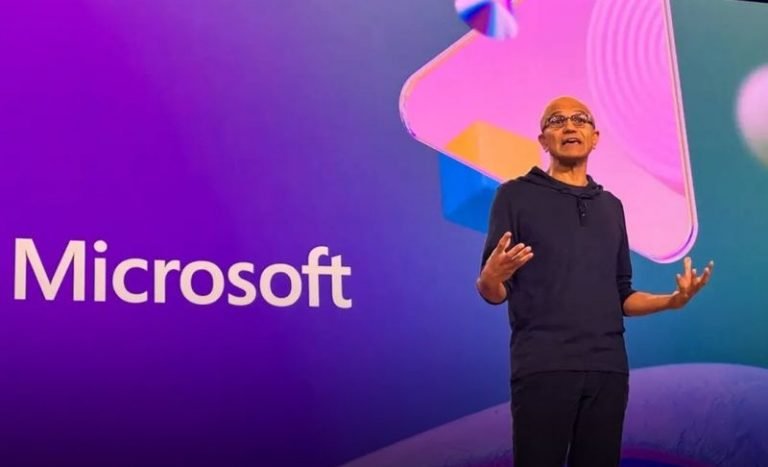
Meanwhile, Microsoft’s broader corporate strategy continues to emphasise the role of AI across its product lines, including productivity, cloud services, and emerging technologies. The company’s willingness to publicly commit to balancing innovation with artistic integrity signals a nuanced approach to technological adoption that many industry leaders find compelling.
For Microsoft Gaming, the road ahead will be shaped by how effectively Sharma can translate her strategic vision into tangible results. Investors, developers, and gamers alike will be watching closely to see whether this leadership shift can revive Xbox’s momentum and strengthen its position amid fierce competition in the global games market.
Join Our Social Media Channels:
WhatsApp: NaijaEyes
Facebook: NaijaEyes
Twitter: NaijaEyes
Instagram: NaijaEyes
TikTok: NaijaEyes