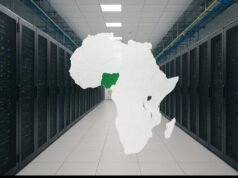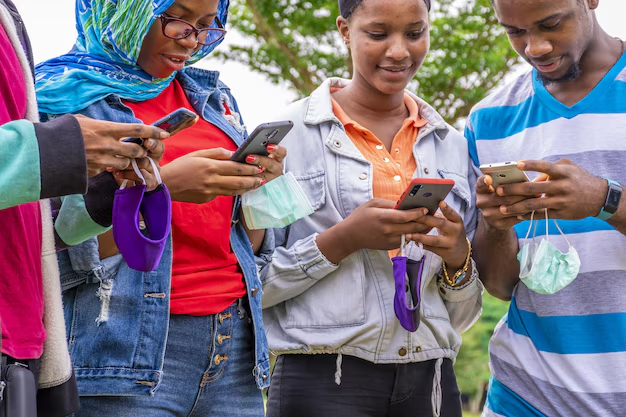
Millions of adults in Africa are now tapping into the Internet on a daily basis, yet a new continental survey shows that most users are not equipped with the knowledge to protect themselves online. Based on a telephone survey conducted by the pan-African research network Afrobarometer, findings from seven countries show that people are frequent users of digital services but are often unaware of basic tools and practices that could keep them safe online. The survey covered Angola, Benin, Côte d’Ivoire, Kenya, Nigeria, Senegal, and Tanzania, providing fresh insights into how the digital age is evolving across diverse African communities.
Across these seven countries, around 84 percent of adults who access the Internet say they do so either every day or at least a few times each week, with younger people aged 18 to 35 especially active online. The mobile phone remains by far the dominant device for connectivity, used by roughly 85 percent of respondents to go online. Social media platforms also play a huge role in how people get information, with 82 percent saying they regularly use social networks to keep up with news and current events.
This rapid increase in connectivity reflects broader trends across Africa, where mobile broadband networks have significantly expanded in recent years, and smartphones have become more affordable. Yet even with greater access to the online world, many Africans are not keeping pace with the skills needed to manage the risks that come with it.
Widespread Concerns About Online Security but Low Literacy
Despite the growing reliance on digital tools, awareness and practice of digital safety measures remain strikingly low. More than half of respondents to the Afrobarometer survey said they worry about the security of their personal information when online, and a large majority believe that mobile phones are particularly vulnerable to harmful online activity. Still, only about one-third of people consider themselves somewhat familiar with tools that protect digital privacy, and just a small minority say they are very familiar with such measures.
Security practices that offer stronger protection are rare. Although a majority of users say they create strong passwords, much smaller shares use advanced tools such as two-factor authentication, antivirus programs, and virtual private networks (VPNs). This gap between concern and capability points to a real vulnerability in the digital habits of ordinary Africans.
Rather than organising learning through formal or structured sources, most people turn to friends, family members, and social media for tips on staying safe online. Online videos, news articles, and workplace training on digital safety are far less frequently consulted, pointing to a need for more accessible and engaging educational resources.
Challenges and Opportunities in Building Digital Resilience
The survey highlights a deeper problem that goes beyond basic connectivity to encompass digital literacy itself. Africa’s internet landscape is shaped by huge diversity in education, income, and access to reliable electricity, all of which influence how people use technology and how safely they can navigate it. Patterns seen in the Afrobarometer data align with larger continental trends in digital engagement, where digital divides persist among age groups, socioeconomic status, and urban–rural populations.
For example, other research from Afrobarometer shows that while mobile phones are widespread, access to computers and stable electricity can be limited, making comprehensive digital learning more difficult for many people. These underlying challenges make it harder for governments and civil society to deliver consistent digital literacy programmes, particularly in areas where infrastructure remains weak.
The rise in digital use has clear benefits. Online platforms are increasingly central to education, financial services, social engagement, and political participation for many Africans. But the weaknesses in digital safety awareness could undercut those benefits by exposing users to scams, data theft, misinformation, privacy violations, and other hazards that accompany life online.
Calls for Education and Better Protection Across the Continent
Experts and researchers say the survey’s findings should prompt urgent action to build public understanding of digital safety. They argue that expanding basic internet access is only one part of the story; it must go hand-in-hand with efforts to teach users how to protect themselves and their communities online. This could include public education campaigns, school programmes, workplace training, and investment in digital literacy tools that are easy to access and tailored to local contexts.
In addition, there are calls for greater collaboration between governments, non-profits, tech companies, and community groups to ensure that citizens are not left to learn about digital risks through trial and error. Structured campaigns that demystify key safety practices and promote responsible use of digital tools could help millions of Africans engage with the internet more confidently and securely.
Some countries are beginning to respond by strengthening their national cybersecurity strategies and promoting data protection laws that provide clearer rules for how personal data is handled online. These efforts align with a growing recognition that digital empowerment must include both opportunity and protection so that citizens can benefit fully from the digital age.
As Africa’s digital footprint continues to expand, closing the gap between connectivity and digital safety awareness will be essential. With more people coming online every day, building stronger digital literacy and cybersecurity awareness is not just a technical challenge. It is a social and educational priority that will shape how individuals, communities, and economies thrive in a connected world.
If these efforts succeed, the story of digital growth across Africa will not only be about more people online. It will also be about more people equipped with the confidence and skills to protect themselves and each other as they explore the benefits of the internet.
Join Our Social Media Channels:
WhatsApp: NaijaEyes
Facebook: NaijaEyes
Twitter: NaijaEyes
Instagram: NaijaEyes
TikTok: NaijaEyes