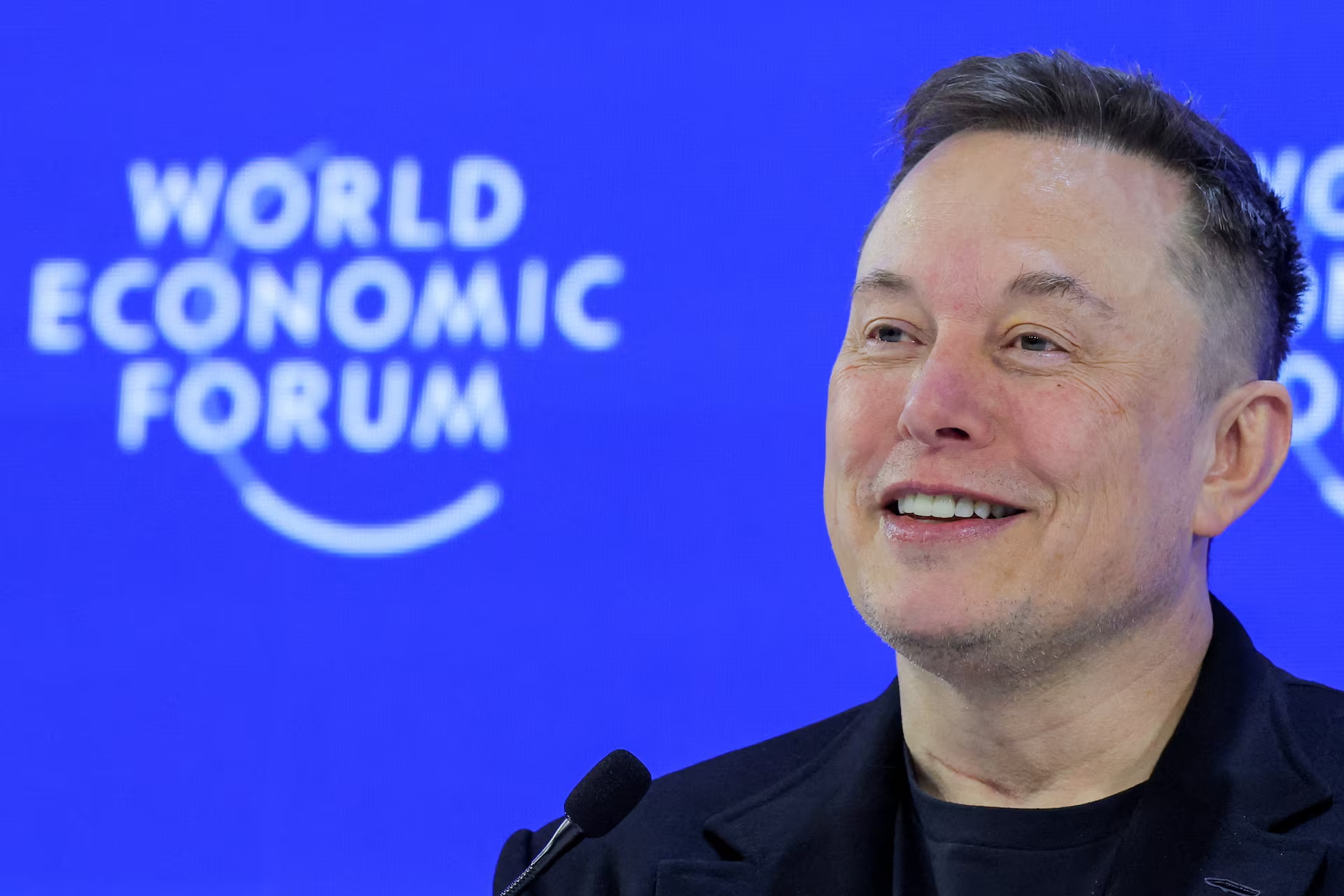
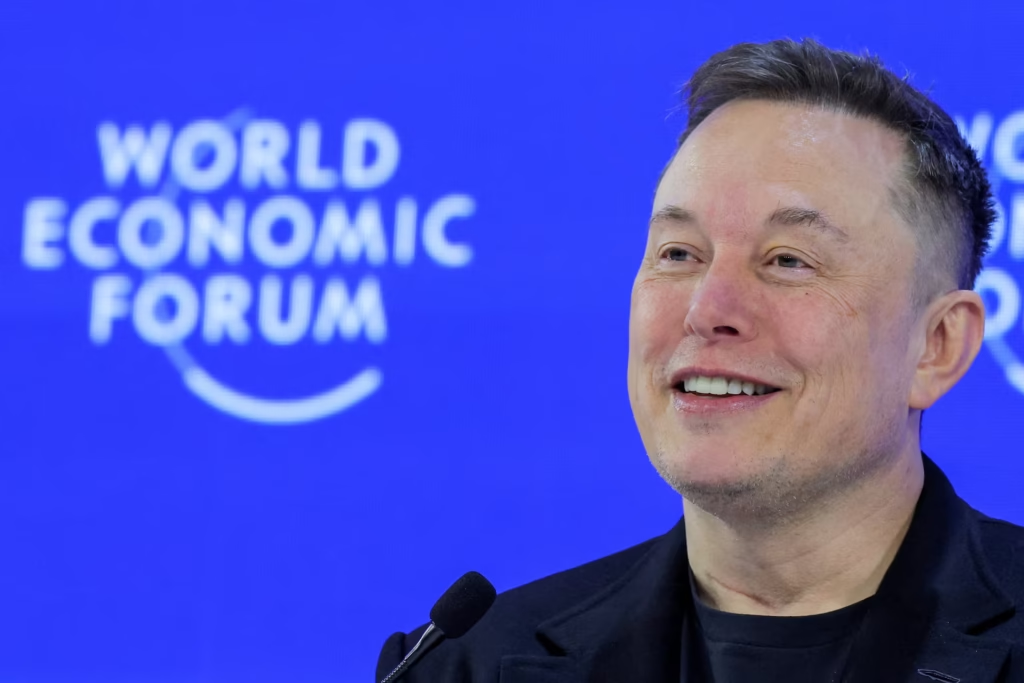
In a clear message to the global tech community this week, billionaire entrepreneur Elon Musk said his companies will remain committed to buying advanced chips from Nvidia to power their artificial intelligence and computing ambitions. Musk’s assurance came as a reminder that even with growing pressure on tech supply chains, top innovators still depend on established chipmakers for cutting‑edge hardware, according to Reuters.
According to Investing.com, Musk made the comments publicly on Wednesday, underscoring that both his aerospace‑focused AI unit, SpaceX AI, and electric vehicle giant Tesla will continue placing large orders for Nvidia chips throughout 2026. This development is significant as it signals continued deep ties between Musk’s high‑profile ventures and Nvidia Corp, the California‑based semiconductor company at the centre of the global AI revolution.
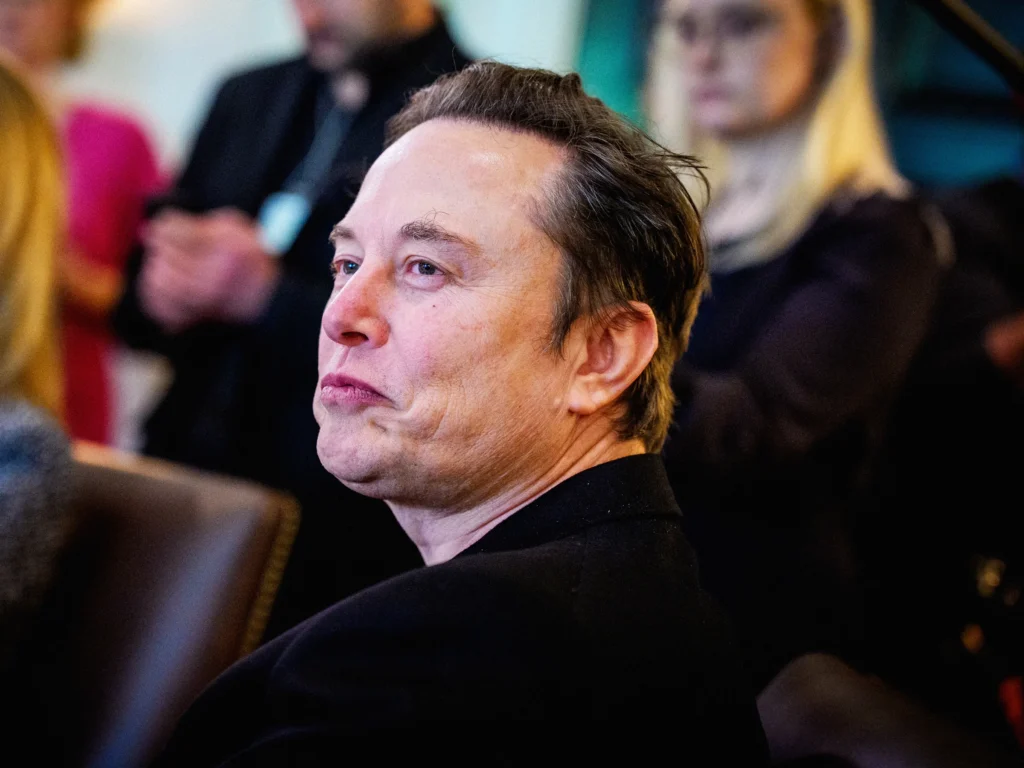
Why Nvidia Chips Matter for Musk’s Tech Empire
High‑performance chips are the backbone of today’s artificial intelligence systems. These processing units handle massive amounts of data at speeds ordinary processors cannot match, enabling breakthroughs in machine learning, autonomous driving, robotics, and real‑time analytics. Nvidia has become one of the tech sector’s most sought‑after suppliers because of its advanced graphics processing units, which are also widely used for AI tasks.
For Musk, the reliance on Nvidia is not just about performance but about scaling his companies’ operations. SpaceX AI, a new venture formed after SpaceX acquired xAI earlier this year, will need powerful chips to train and run large language models and other AI systems. At the same time Tesla continues its push into autonomous driving and robotics, areas that require computing power far beyond what traditional automotive processors can deliver.
In practical terms, this means Tesla will keep sourcing Nvidia’s processors to train neural networks that analyse camera and sensor data from its electric cars. The data centres that support these tasks need enormous numbers of chips that can be installed, cooled, and operated at scale. Musk’s confirmation suggests these orders will continue to be a pillar of Tesla’s AI and full self‑driving development strategy.
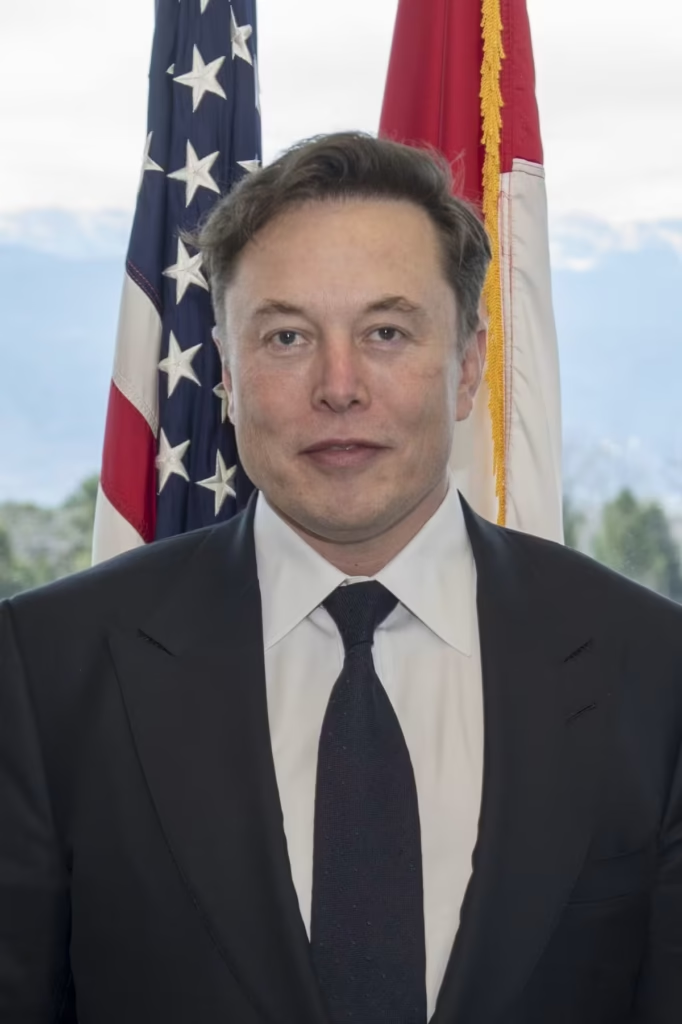
The Strategic Importance of Sustained Chip Procurement
Supply chain resilience in the semiconductor industry has become a global focus. With geopolitical tensions and manufacturing constraints affecting availability, securing a reliable stream of advanced chips is critical for companies with long‑term AI ambitions. Musk’s statement that SpaceX AI and Tesla will continue large‑scale orders with Nvidia provides reassurance to investors and partners that these companies will not waver in their technological pursuits.
Musk’s comments come amid broader industry shifts. Other tech firms are exploring ways to reduce dependency on single suppliers by investing in in‑house chip design or working with multiple foundries. For example, Tesla has been developing its own AI chips, like the AI5, to reduce reliance on external vendors, though mass production for these chips is still some way off. Nevertheless, that effort complements rather than replaces the current relationship with Nvidia.
SpaceX AI’s needs are also evolving. The acquisition of xAI brought new capabilities and tasks that require a steady flow of high‑performance compute. With Elon Musk explaining that large‑scale orders will continue, it suggests confidence in both the hardware supply and the ability of Nvidia to meet the extraordinary demands of modern AI workloads.
What This Means for the Future of AI Hardware
The reaffirmation of Nvidia’s role in Musk’s technology stack carries implications for the entire semiconductor ecosystem. Nvidia’s chips are widely used beyond Musk’s companies, and demand for these processors has been growing rapidly around the world as AI adoption spreads across industries. Musk’s public support of Nvidia’s supply capabilities signals trust in the firm’s ability to deliver at scale during a period when many organisations are scrambling to secure components.
At the same time, strategic questions remain about how companies like Tesla will balance reliance on external suppliers with their own hardware innovations. Musk has previously highlighted ambitions to build additional in‑house manufacturing capability, including the Terafab project, which aims to produce semiconductors at high volume. That project is expected to launch soon and could shift dynamics in how Tesla approaches chip production in the long term.
For now, however, the partnership with Nvidia is set to continue, based on Musk’s latest remarks. Industry watchers will be watching orders, shipment schedules, and how quickly AI demand grows as these companies expand operations in both artificial intelligence and autonomous technologies.
Navigating the Global Tech Landscape
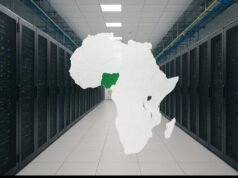
For Nigeria and many developing markets, the commercial dynamics between Musk’s companies and Nvidia reflect bigger trends in technological advancement. As global demand for AI and autonomous systems grows, African countries are looking for ways to build their own tech ecosystems, often relying on access to advanced hardware and software from global leaders. What happens in Silicon Valley and global tech hubs has ripple effects across sectors, from automotive tech to data‑driven services.
Musk’s confirmation that SpaceX AI and Tesla will continue large‑scale Nvidia chip orders reinforces the reality that even highly visionary companies depend on complex global supply chains. It also underlines how collaboration between hardware innovators and AI developers will remain central to breakthroughs in the years ahead.
As AI and autonomous systems move further into everyday life, the balance between in‑house innovation and partnership with specialist suppliers will shape how quickly new technologies arrive in markets around the world. Musk’s announcement is a reminder that the race for AI prowess is as much about securing physical components as it is about creating software algorithms.
With Nvidia continuing to be a key part of the equation, the tech industry will watch closely how SpaceX AI and Tesla implement their expanded orders and integrate the chips into next‑generation products. For now, Musk’s message is both a reassurance and a signal that innovation, supply chain strategies, and global demand for advanced chips will remain tightly interwoven for the foreseeable future.
In closing, what Musk announced this week is more than a statement about procurement. It is an affirmation of commitment to building future technologies and deepening partnerships that will carry ambitious AI projects from concept to real‑world deployment.
Join Our Social Media Channels:
WhatsApp: NaijaEyes
Facebook: NaijaEyes
Twitter: NaijaEyes
Instagram: NaijaEyes
TikTok: NaijaEyes