Naira hits N1,345 as local currency gains momentum against the dollar
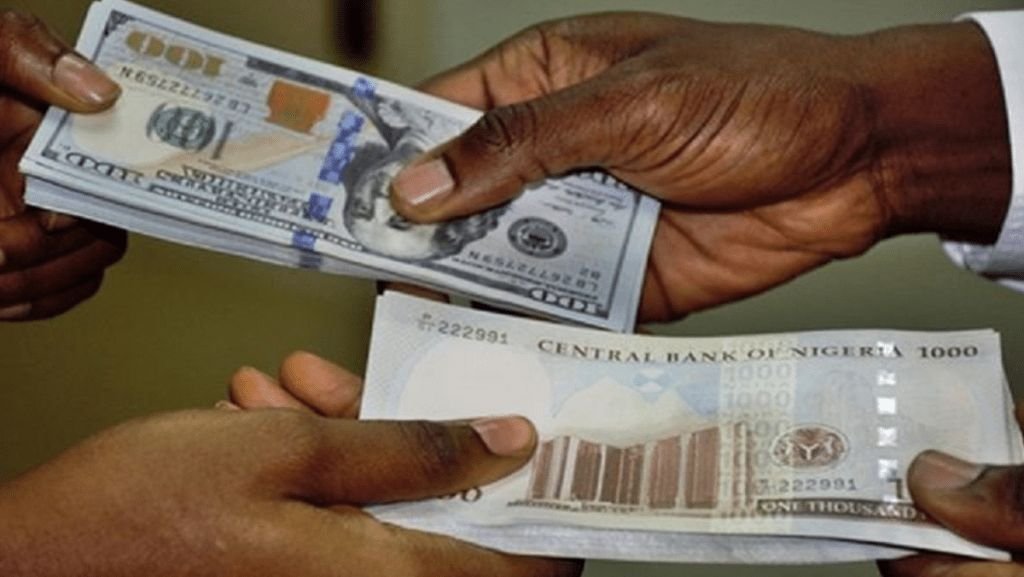
The Nigerian financial landscape is currently witnessing a breath of fresh air as the local currency, the Naira, recorded a significant appreciation against the United States dollar. On Wednesday, the Naira strengthened to N1,345.62 at the Nigerian Autonomous Foreign Exchange Market (NAFEM), marking its strongest performance in over a month.
This development follows a period of intense volatility that had many businesses and households concerned about the future of their purchasing power.
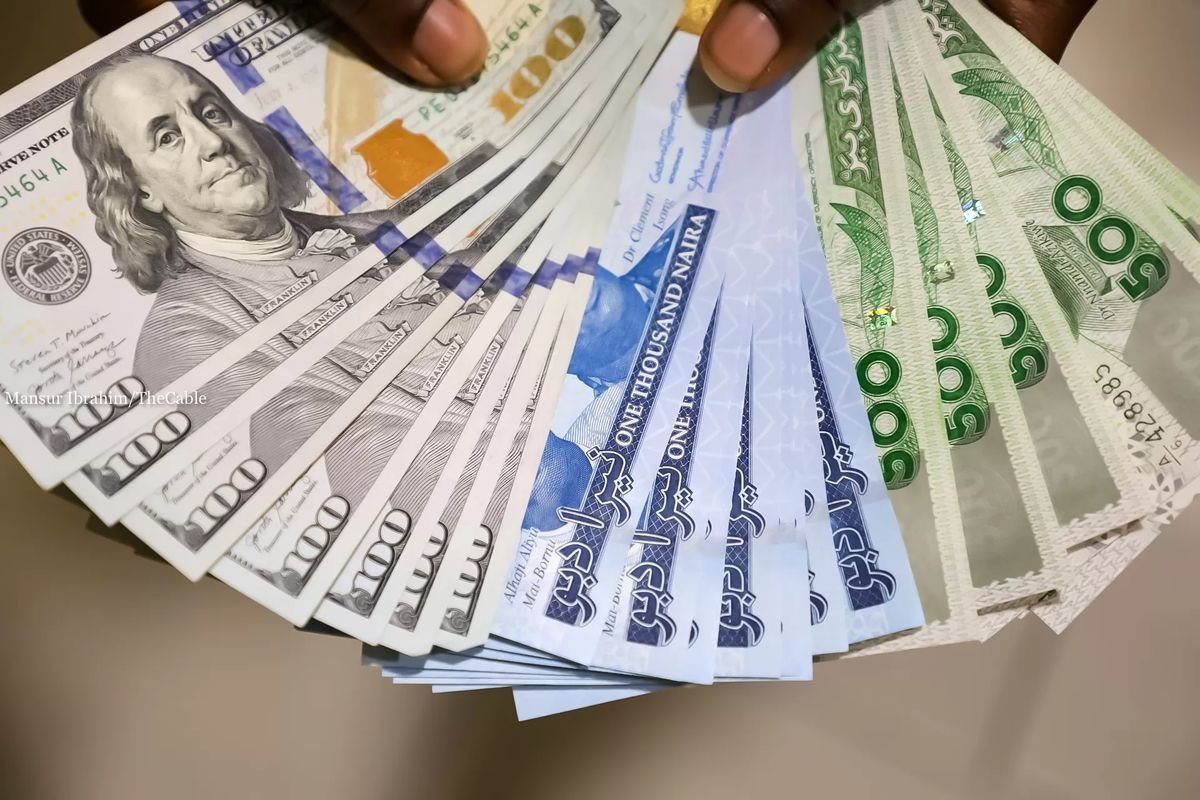
As a professional editor who monitors these economic indicators daily, it is encouraging to see the currency move away from the N1,400 threshold, signaling that the various corrective measures implemented by the fiscal and monetary authorities are beginning to yield tangible results.
Analyzing the recent surge in the Naira’s value at NAFEM
The market’s reaction to the N1,345 closing rate has been largely positive, with many stakeholders viewing it as a sign of returning confidence in the economy.
Data from the FMDQ Securities Exchange indicates that the intraday high reached N1,300, while the low hovered around N1,390, demonstrating a narrowing volatility gap. For the average Nigerian professional, this appreciation represents more than just a statistical update; it suggests a potential reduction in the cost of imported inputs and a stabilizing effect on domestic inflation.
The fact that the Naira hit its highest level since mid-February is a psychological victory for a market that has been under persistent pressure, suggesting that the “bottom” may have finally been established.
The role of Central Bank policies in stabilizing the foreign exchange market
The Central Bank of Nigeria’s (CBN) recent aggressive stance on monetary policy has played a pivotal role in this recovery. By raising the Monetary Policy Rate and maintaining a hawkish tone, the apex bank has successfully attracted foreign portfolio investors back into the Nigerian debt market.
Furthermore, the CBN’s commitment to clearing the verified foreign exchange backlog has sent a strong signal to international observers that Nigeria is serious about restoring liquidity and transparency.
These strategic interventions have helped to curb the speculative activities that previously characterized the foreign exchange market, ensuring that the Naira’s value is increasingly determined by genuine economic fundamentals rather than panic-driven demand.
Assessing the impact of improved dollar liquidity on the economy
A critical factor behind this recent gain is the noticeable improvement in dollar liquidity within the official window. Daily turnover at NAFEM has seen a steady increase, reaching over $180 million in recent sessions.
This surge in volume allows the market to absorb demand more efficiently, preventing the sharp spikes in exchange rates that were common earlier in the year. For the manufacturing and retail sectors, improved liquidity means that the wait time for accessing foreign exchange for raw materials and finished goods is gradually reducing.
This operational efficiency is essential for maintaining the momentum of the Naira’s recovery and ensuring that the benefits of a stronger currency are felt across the entire value chain.
Looking ahead at the sustainability of the Naira’s recovery
As we celebrate this one-month high, the focus must remain on the sustainability of these gains. For the Naira to maintain its upward trajectory, the government must continue to harmonize fiscal and monetary policies while incentivizing local production to reduce the nation’s import dependence.
The ongoing efforts to attract Foreign Direct Investment (FDI) and boost non-oil exports will be crucial in building a resilient reserve base that can withstand global economic shocks. As an editor, my assessment is that while the current appreciation is a positive step, the long-term health of the Naira depends on our collective ability to transition toward a production-based economy.
If the current policy consistency is maintained, we may be looking at a much more stable and predictable exchange rate environment for the remainder of 2026.
Join Our Social Media Channels: