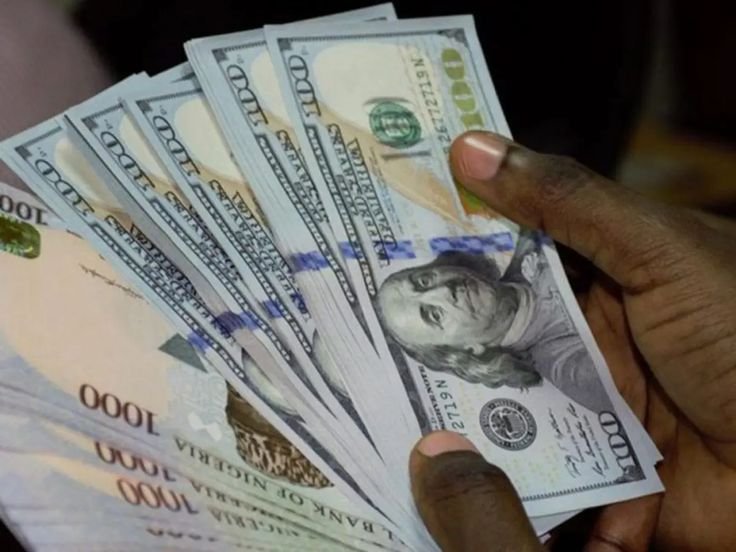

With the naira up 0.57 percent in July, analysts fear that a surge in dollar demand and seasonal foreign exchange demand—ranging from summer holiday travel to offshore tuition payments and end-of-quarter importer demands—will test the modest gain.
Traders and market experts project that these cyclical outflows will put additional pressure on the currency in the coming weeks, even as the Central Bank of Nigeria (CBN) maintains a supportive policy stance.
The naira rose slightly in July 2026, closing the month at ₦1,368.22/$1 in the official foreign exchange market—up 0.57 percent from the ₦1,376/$1 rate at the end of June.
According to CBN data, the naira lost some of its earlier monthly gains in the final week of July, falling 0.45% week-on-week (w/w) to finish at ₦1,368.22/$1 from ₦1,362.09/$1 in the previous session.
The decline illustrates the difficult balance between improved FX liquidity and persisting structural demand headwinds in Africa’s largest economy.
In the parallel market, the naira experienced headwinds, trading as high as ₦1,410/$1 before completing the week at ₦1,405/$1—virtually unchanged from the previous week and remaining within the ₦1,400–₦1,420 range recorded throughout July. The relatively steady closing rate indicates that, while demand pressures continued, available market liquidity fully offset them, preventing a severe decline.
Despite the weekly fall, solid reserves covered around 11 months of imports and provided a significant cushion against external shocks. This reserve position has served as a crucial driver of investor confidence and the naira’s performance this year.
Meanwhile, A Lagos-based FX trader, Abdullahi Aliyu, cited various seasonal factors driving FX demand in July, stating that enhanced dollar liquidity and increased oil production fueled a combination of technical and seasonal demand in the market.
Backstory…
The latest pressure on the naira comes after weeks of renewed dollar demand demand from importers, manufacturers and other businesses seeking foreign exchange to meet payment obligations.
Despite relative stability in the official market in recent months, analysts say rising corporate demand has begun testing the foreign exchange market, resulting in mild depreciation of the local currency.
Market data also show that the Central Bank of Nigeria (CBN) has continued to intervene in the market to support liquidity and curb excessive volatility.
The CBN’s consistent interventions have played a critical role in stabilizing the exchange rate. The central bank has maintained a hawkish monetary policy stance, keeping the benchmark interest rate at 26.5% to attract international investors to naira-denominated assets.
In addition, Treasury bill rates remain between 16 and 19 percent, supporting continuing foreign portfolio inflows into Nigerian fixed-income instruments.
Read Also: Naira Gains Ground as Central Bank Rate Strategy Works