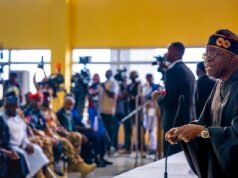
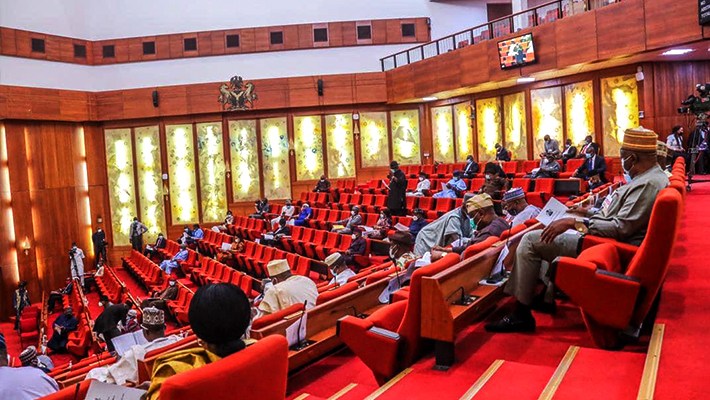
The National Assembly stated on Sunday that it would reconvene its plenary session on Tuesday, February 17, 2026, cutting short its recess amid hints that lawmakers may review the date set for the 2027 presidential election.
According to the information obtained, the National Assembly may move the presidential election to February 13, 2027.
Members of the House of Representatives and senators were instructed to reconvene at 11 am and modify their schedules in accordance with the notification, which was signed by Kamoru Ogunlana, the Clerk to the National Assembly, since “very crucial decisions” are anticipated to be made during the session.

“I am directed to inform all Distinguished Senators and Honourable Members of the National Assembly that the Senate and House of Representatives shall reconvene plenary session at 11:00 am on Tuesday, 17th February 2026, respectively,” the notice read.
“Consequently, all Distinguished Senators and Honourable Members are kindly requested to take note and reschedule their engagements accordingly to enable them attend the session, as very crucial decisions shall be taken by each Chamber during the session,” Ogunlana added.
The public notice, however, conceals a more urgent agenda, according to National Assembly insiders who spoke on condition of anonymity.
“It is more of an extraordinary plenary session to review the 2027 presidential election date as stipulated in the Electoral Act amendment.
“The ultimate aim is to give legislative backing to INEC’s request to address the concerns raised regarding the 2027 election slated to hold during Ramadan,” the lawmaker added.
Another Senate insider told The PUNCH: “If all goes according to plan, the presidential poll date may be brought forward to February 13 from the previously announced February 20 by INEC.”
Another source privy to the development also said “This session is crucial. It is about more than dates—it is about ensuring that every Nigerian, regardless of faith, has a fair opportunity to participate in the electoral process. The decisions we take here could define the credibility of the 2027 elections.”

This comes just one week after the Senate, in response to public pressure, authorised the electronic transmission of election results to the Result Viewing Portal of the Independent National Electoral Commission. While manual collation will still be used as a fallback in the event that technology fails.
Recall that the Senate rejected calls for real-time uploads of results, a crucial demand of demonstrators who had accused politicians of eroding voting integrity ahead of the general elections in 2027, and approved the electronic communication system, but refrained from making it mandatory.
Join Our Social Media Channels: