NERC Enforcement Protects Customers Against Outage Shortfalls

The consumer electricity market has entered a new era of strict regulatory accountability. The Nigerian Electricity Regulatory Commission (NERC) has issued a decisive enforcement mandate to power distribution companies across the federation. Moving forward, electricity firms that fail to deliver the contractually promised hours of electricity supply to premium service consumers must directly compensate those affected. For modern manufacturing plants and premium residential estates paying high tariffs, this enforcement represents a massive regulatory milestone. It establishes a practical baseline where utilities must deliver the exact power volume that clients pay for.
The Penalty for Failing the Grid Service Pledge
To understand the mechanics behind this fresh regulatory directive, we must examine the service level commitments established for the premium tier. Consumers categorized under this bracket pay higher rates with the formal understanding that they will receive at least twenty hours of power daily.
However, system log files reveal that multiple distribution zones have consistently missed these mandatory operational metrics. NERC’s new order states that when a distribution company drops below the established availability floor over a given billing cycle, it can no longer collect full premium tariffs. Instead, the service provider must issue automated credit adjustments directly to the prepaid meters of the affected consumers, ensuring immediate economic redress for the operational deficit.
Operational Adjustments on the National Infrastructure Grid
The financial impact of these mandatory compensation payouts is forcing utility companies to completely overhaul their engineering networks. Under the previous hands-off system, distribution networks faced minor penalties when systemic transformer faults disrupted regional delivery loops.
The current legal framework changes those financial metrics entirely. Leaving a premium network cluster in darkness means losing millions of Naira in direct compensation credits on a next-month rolling basis. This financial reality compels electricity operators to prioritize rapid fault detection and fast-track grid upgrades. Rather than delaying asset maintenance, local engineering teams must actively work to keep the power flowing to protect company revenue from regulatory erosion.
What Consumer Protection Means for Future Investments
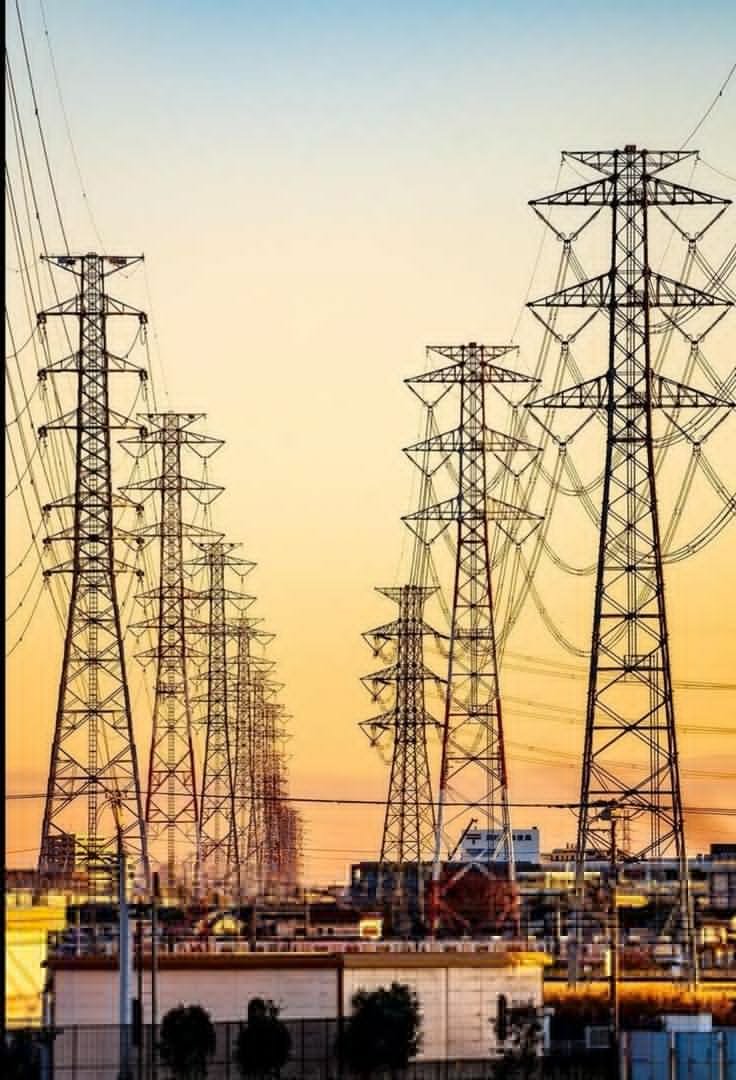
For the wider business community, this enforcement action provides a powerful template for building operational trust. Many industrial manufacturers have historically hesitated to rely on public infrastructure, choosing instead to burn expensive alternative fuels.
A predictable regulatory regime where service failures are directly reimbursed creates an immense sense of security for potential local investors. This accountability forces distribution networks to transition from monopolies into customer-focused service entities. By holding utility companies to strict contractual standards, the regulatory body is building a highly dependable, transparent market ecosystem that is capable of supporting sustainable economic expansion.NERC orders compensation for Band A customers 2026.
Join Our Social Media Channels:
WhatsApp: NaijaEyes
Facebook: NaijaEyes
Twitter: NaijaEyes
Instagram: NaijaEyes
TikTok: NaijaEyes