Niger State has taken a major step toward restoring normalcy in education after weeks of closures triggered by persistent insecurity across parts of northern Nigeria. The State Government has approved the reopening of both public and private schools from Monday, January 12, 2026, following a detailed security assessment and extensive talks with security agencies. This announcement brings both relief and cautious optimism to parents, educators and communities still mindful of recent violent disruptions across the region.
In a formal press release, Dr Hadiza Mohammed, Commissioner for Basic and Secondary Education, explained that Governor Mohammed Umaru Bago signed off on the reopening after consultations designed to balance safety with the urgent need to resume academic activities. Only schools in areas deemed safe by relevant authorities are cleared to resume on the scheduled date.
The government’s decision follows an extended period of uncertainty in Niger State’s educational landscape. Schools across the state had been closed down late last year following attacks by armed groups, including the mass abduction of pupils and teachers from institutions in rural areas. Such incidents fuelled widespread fear and prompted authorities to prioritise the review of security arrangements before allowing students back into classrooms.
Stakeholders in the education sector and civil society have welcomed the announcement, even as some remain vigilant about the state of security in certain locations. For many families, the reopening marks a much-anticipated opportunity for children to return to structured learning and normal routines.
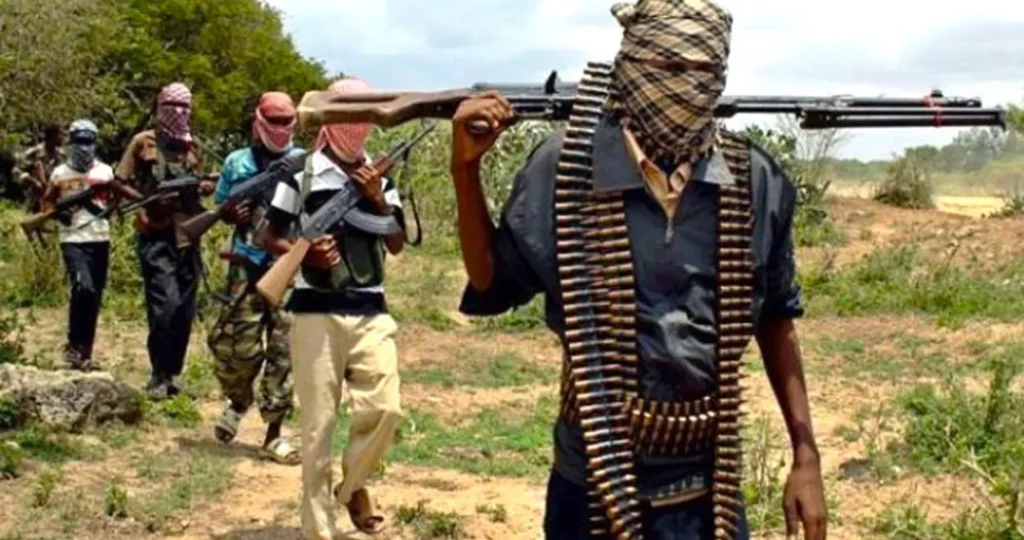
Table of Contents
Careful Steps Taken Before Resumption by Niger State
According to the official statement, schools located in “safe and secure areas” will be the first to reopen on January 12. This includes both public and private day schools, as well as boarding institutions situated within secure environments. Schools in areas still classified as unsafe will remain closed until they receive separate clearance from security agencies.
To ensure accountability and oversight during the reopening, school authorities have been tasked with registering returning students and submitting detailed enrolment data to the State Ministry of Basic and Secondary Education within one week of resumption. Local Government Chairmen have also been instructed to work closely with security agencies to provide adequate safety measures in and around school premises.
For transparency, the ministry has pledged to publish an official list of schools authorised to reopen on January 12. This effort is aimed at keeping parents, caregivers and the public fully informed and aligned with government directives.
The tone from the Niger State Government has been one of reassurance and gratitude. Officials thanked parents, school administrators and broader communities for their patience and cooperation during the period of closure. The message repeatedly emphasised that student and staff safety remains the foremost priority in the government’s planning and action steps.
Security Concerns that Hampered Education
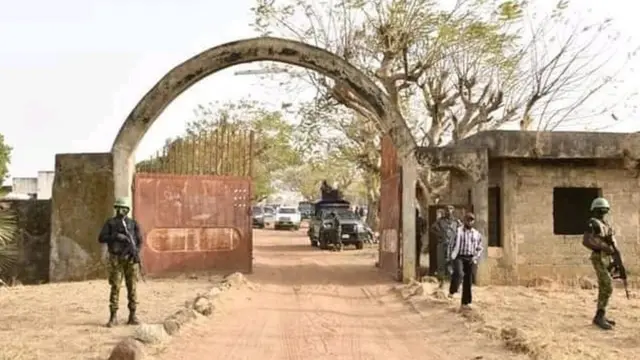
The reopening comes against the backdrop of heightened insecurity that affected many parts of northern and central Nigeria last year. In November 2025, gunmen attacked St Mary’s Catholic School in Papiri community, Agwara Local Government Area, and abducted over 200 pupils along with teachers and staff. The incident prompted government directives to close schools in the area and other vulnerable locations.
Similarly, other states such as Katsina and Bauchi also shut down schools in response to violent attacks by armed groups in their jurisdictions. These closures underscored the severe challenges education faces when security structures are strained or stretched thin.
In response to the spike in attacks on schools, authorities at both the state and federal levels intensified security efforts. In some cases, joint operations by military and police forces were carried out to rescue abducted pupils, while local communities rallied behind authorities to improve intelligence sharing and defensive readiness.
Despite these challenges, the return to classroom learning is being viewed as a necessary step toward stabilising the affected communities. Education leaders have argued that prolonged school closures risk harming student progress, worsening dropout rates and prolonging psychological trauma for children caught up in the recent violence.
Parents and Educators Respond
Reactions to the reopening directive have been mixed but largely hopeful. Many parents expressed relief that their children will be able to resume formal education. Several shared concerns about gaps in learning and the mental strain that extended absence from school can cause. Teachers likewise welcomed the decision, pointing to the critical role that structured education plays in children’s development.
Some education advocates took the opportunity to call for continued vigilance and cooperation between the government, security agencies and communities. They stressed that resuming classes in unsafe areas could undermine the progress being made to secure learning environments.
Schools that are allowed to reopen have been urged to bolster internal safety protocols, such as coordinating with local watch groups and beefing up perimeter security, while maintaining regular communication with parents and guardians.
Looking Ahead
As January 12 draws closer, expectations are building for a smooth process that will see students step back into classrooms with confidence. Authorities have been clear that reopening does not signal an end to insecurity, but rather reflects a calibrated judgement that educational access can resume where conditions allow.
The coming weeks will be an important test of the government’s security assessment and the effectiveness of newly strengthened protective measures around schools. If successful, this phased reopening could serve as a model for other states coping with similar challenges across Nigeria.
For now, the emphasis remains on vigilance, collaboration, and a shared commitment from government, educators, parents, and communities to safeguard the future of Nigeria’s children through education.
Join Our Social Media Channels:
WhatsApp: NaijaEyes
Facebook: NaijaEyes
Twitter: NaijaEyes
Instagram: NaijaEyes
TikTok: NaijaEyes
READ THE LATEST EDUCATION NEWS