Building a home or commercial property across the nation has become significantly more expensive for private developers and public contractors. Despite these sharp cost increases, Nigeria cement firms revenue 2026 reached a historic combined total of N3.2 trillion during the first six months of the year.
Also read JUST IN: Dangote Refinery Cuts petrol, diesel prices
According to financial statements filed with the Nigerian Exchange, the country’s three major producers—Dangote Cement, BUA Cement, and HBM Nigeria—experienced a 26.5 percent revenue jump compared to the N2.5 trillion generated in the same period of 2025.
The Backstory Behind the Current Cement Boom
To understand how these manufacturing giants achieved record earnings, one must look at the structural pressures shaping local supply chains. Over the past year, macroeconomic headwinds, including foreign exchange volatility and rising energy tariffs, heavily drove up production overheads.
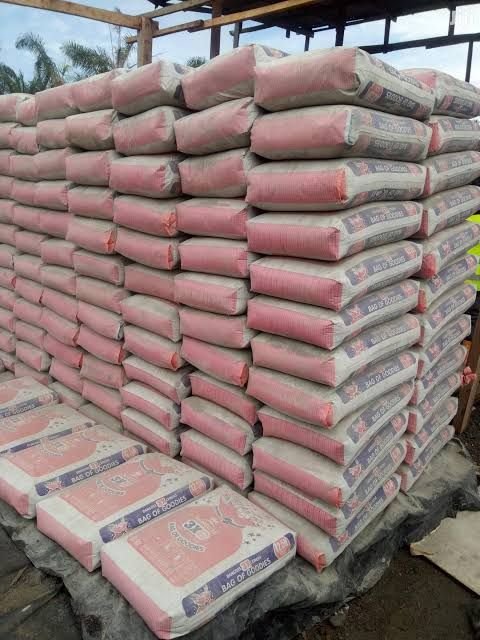
To protect operating profit margins, cement manufacturers gradually passed these expenses onto end consumers through periodic price adjustments.
Consequently, a standard 50kg bag of cement that sold for around N9,500 early in the year surged to between N10,500 and N15,000 across different states by mid-2026.
At the same time, massive public works initiatives, commercial real estate developments, and ongoing urbanization continued to generate high demand. Because construction projects could not simply grind to a halt, builders had no choice but to absorb these higher material costs.
Corporate Earnings Breakdown and Key Sector Leaders
While rising retail prices created serious financial friction for small-scale property developers, the corporate earnings numbers demonstrated remarkable sector resilience.
According to half-year financial filings, revenue performances across the three major producers include:
- Dangote Cement: The market leader recorded a domestic revenue increase of 25.2 percent to N1.8 trillion. Chief Executive Officer Arvind Pathak noted that disciplined execution and strong sales volumes sustained earnings momentum.
- BUA Cement: Revenue surged 25.6 percent year-on-year to hit N728.9 billion. Chief Executive Officer Yusuf Haliru Binji highlighted that bulk cement sales alone expanded sharply as the firm secured major infrastructure supply deals.
- HBM Nigeria: Formerly known as Lafarge Africa following its May 2026 ownership transition under Huaxin Cement, the producer posted the fastest growth rate. Under Group Managing Director Lolu Alade-Akinyemi, company revenue rose 31.2 percent to N678.4 billion.
Reflecting on these underlying operational expenses, Dangote Cement Chairman Emmanuel Ikazoboh explained:
“Elevated energy costs and foreign exchange pressures on imported inputs naturally filter through to final pricing. However, our ongoing plant optimizations help ensure we maintain reliable product availability nationwide.”
What Lies Ahead for Real Estate Developers and Contractors
Looking ahead, the sharp rise in building material costs presents a dual-edged sword for the national economy.
While heavy industrial capital investments like HBM Nigeria’s new three-million-tonne plant expansion in Calabar will increase future supply, high prices continue to stress construction budgets.
Ultimately, balancing industrial profitability with affordable building materials remains vital for sustaining Nigeria’s long-term housing and urban development goals.